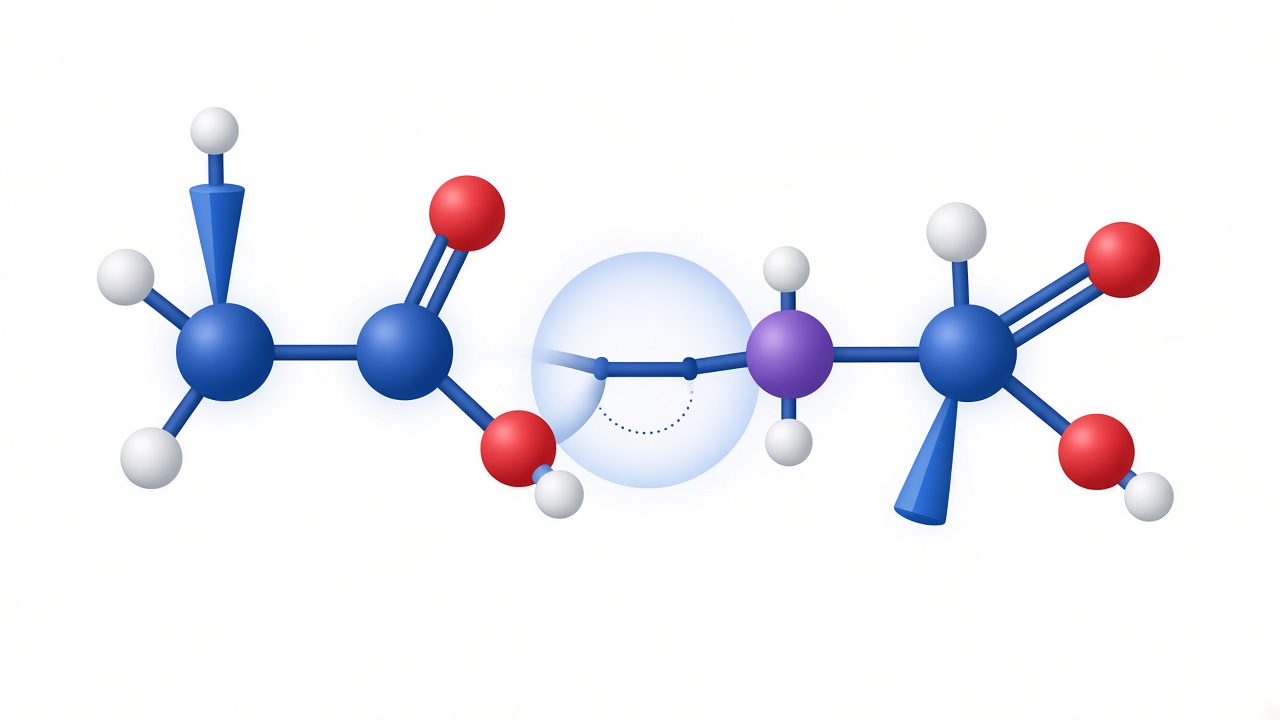

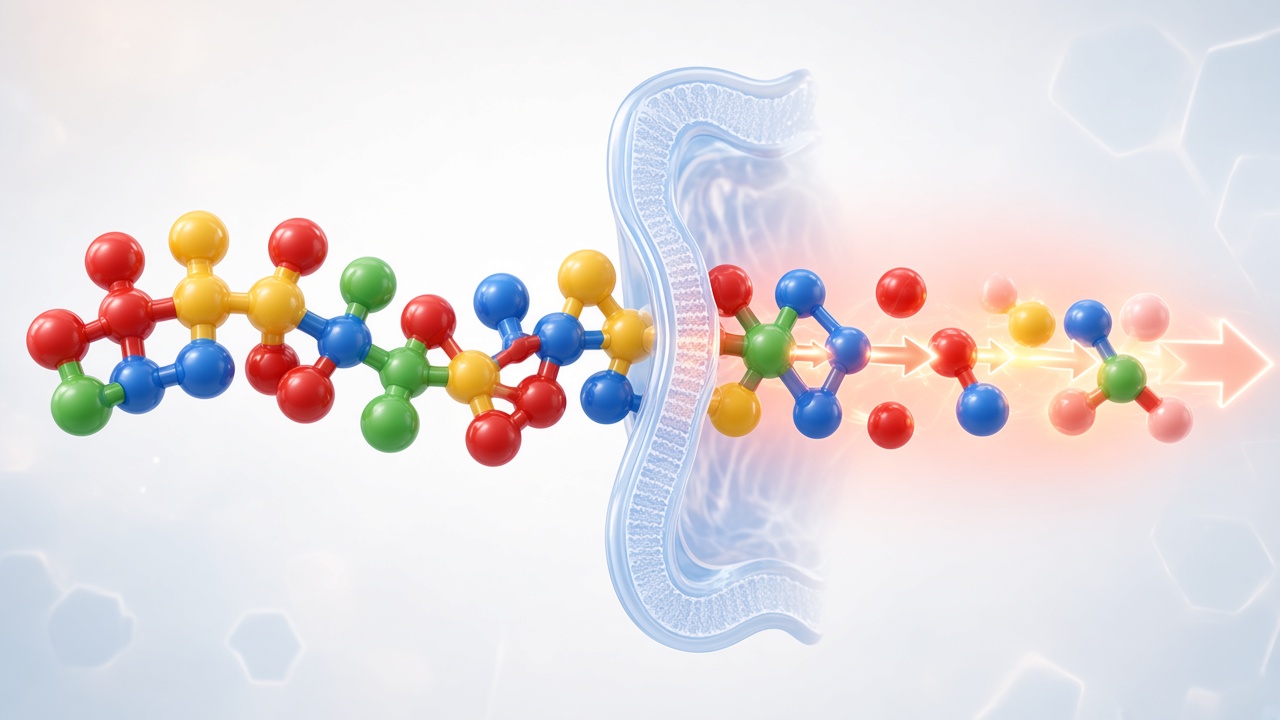
Bioavailability is one of the most repeated words in peptide conversations and one of the easiest to misunderstand. This article explains how research literature uses the term, why many peptides face absorption and stability barriers in experimental and pharmaceutical discussions, and how to read bioavailability claims without turning them into personal protocols. Educational only, not medical advice.
Why bioavailability literacy matters for peptide readers
Bioavailability sounds like a single score. In papers, it is a context-bound measurement story. Peptide discussions inherit extra complexity because many sequences are unstable in the gut, large relative to classic small molecules, and sensitive to formulation. Literacy means reading the whole story, not hunting for one heroic percentage.
Research hub placement
This article sits in Research and Science because it is about interpreting pharmacokinetic language in literature. It is adjacent to half-life education and clinical-trial reading, not a substitute for either.
No protocols
Delivery barriers discussed in reviews are scientific themes. They are not a menu of techniques for personal experimentation. This page will not translate them into how-to steps.
Chemistry foundation
Peptide-bond and protease themes from basics articles help explain why degradation appears so often in bioavailability reviews. Chemistry explains vulnerability. It does not dictate a lifestyle conclusion.
How bioavailability is defined in research literature

A standard pharmaceutics teaching definition describes bioavailability as the extent and sometimes also the rate at which an active species reaches systemic circulation. Papers operationalize that idea with blood or plasma measurements, exposure metrics such as AUC comparisons, and clearly stated routes.
Absolute versus relative wording
Absolute bioavailability often compares a non-intravenous route with intravenous exposure in the same study framework. Relative bioavailability compares formulations or routes without necessarily invoking an intravenous reference. If a post says bioavailability without saying which kind, ask for the comparator.
What was measured
Was intact peptide measured, or a surrogate signal? Were metabolites distinguished? Assay specificity changes what the percentage can mean. Educational readers should prefer methods that state the analyte clearly.
Species and model limits
Rodent bioavailability is not automatic human bioavailability. Formulation effects and food effects can also reshape exposure. Cross-species leaps deserve explicit caution in any careful summary.
Why peptide papers so often discuss delivery barriers
Reviews of oral peptide and protein delivery repeatedly highlight enzymatic degradation in the gastrointestinal tract and limited permeability across epithelial barriers. Those themes explain why many peptide candidates historically relied on non-oral pharmaceutical routes in development discussions.
Stability versus permeability
A peptide can fail exposure goals because it is destroyed before absorption, because it cannot cross membranes efficiently, or both. Papers that collapse those failure modes into one vague poor bioavailability phrase are harder to learn from.
Formulation is part of the object
In pharmaceutical research, the peptide and its formulation travel together as an exposure story. Quoting a percentage while ignoring the formulation is like reviewing a vehicle's speed while ignoring whether it had an engine.
Therapeutic peptide reviews
Broader therapeutic peptide reviews often list short plasma half-life and poor oral bioavailability among development challenges. Those are class-level educational patterns with many exceptions and ongoing research strategies, not a rule about every sequence.
How papers report bioavailability and related exposure metrics
Look for route, dose framing used in the experiment, sampling schedule, analytical method, and exposure summary statistics. Some papers emphasize Cmax and Tmax alongside AUC. Some report only qualitative detection. Qualitative detection is not a percentage.
- Route and formulation stated clearly.
- Analyte identity stated clearly.
- Comparator for absolute or relative claims stated.
- Species and model stated.
- Uncertainty and variability acknowledged.
In vitro proxies
Caco-2 permeability, stability in simulated fluids, or membrane dialysis experiments can support mechanism stories. Calling those results bioavailability without in vivo exposure data is a language stretch educational readers should flag.
Local versus systemic
Some research questions care about local presence at a tissue site rather than systemic circulation. Systemic bioavailability may then be the wrong success metric. Ask what biological compartment the hypothesis actually needs.
Linking to half-life
Half-life describes how exposure declines over time after it is present. Bioavailability describes how much appears systemically after administration in a given study design. Related, not identical. See Peptide Half-Life for the decline-side vocabulary.
Common misconceptions in public peptide talk

Misconception: a vendor claim of high bioavailability is equivalent to a peer-reviewed pharmacokinetic study. Misconception: oral always means convenient and therefore better evidence. Misconception: bioavailability numbers transfer unchanged across salts, analogs, and impure materials.
Screenshot science
A percentage in a stylized graphic without methods is marketing temperature. Educational reading demands the study context that produced the number.
Route prestige
Routes are research design choices and pharmaceutical development topics. They are not moral categories. Literacy avoids ranking routes as tough or optimal in lifestyle language.
Analog transfer errors
An analog with one residue change can have a different exposure story. So can a different formulation of the same sequence. Transferring numbers across those changes without data is speculation.
How to read bioavailability claims critically
Ask five questions. What species? What route and formulation? What analyte? What comparator? What limitation does the author admit? If a source cannot answer most of them, do not promote the claim as settled science.
Pair with trial literacy
Human bioavailability or exposure findings inside clinical programs should be read with clinical-trial literacy habits: phase, population, and endpoint discipline. See How to Read Peptide Clinical Trial Papers.
Pair with synthesis and purity literacy
Exposure talk assumes you know what chemical object was administered in the study. Synthesis methodology and purity analytics education help you notice when that object is poorly specified.
Write the boundary
A good personal note sounds like: In this mouse oral study with formulation F, intact peptide exposure was reported as X under assay A. That sentence resists viral compression.
Hub links and related reading

Use peptide research and science for the evidence map. Use Peptide Half-Life for stability-over-time language. Use Peptide Basics when polymer chemistry is the blocker.
When claims turn practical
If a conversation shifts from literature metrics toward personal administration ideas, stop and move to Safety-First Education for responsibility framing. This bioavailability page will not follow that shift.
Reviews as maps
PMC reviews on oral peptide delivery are maps of barriers and research strategies. They are starting points for orientation, not certificates that any particular consumer product works.
Keep status separate
Regulatory or anti-doping status questions are not answered by bioavailability percentages. Keep those tracks distinct.
Limits and disclaimer
This article does not advise anyone to take peptides by any route. It does not provide dosing, timing, stacking, or preparation instructions. It does not convert pharmaceutical research strategies into DIY methods.
Intended outcome
The intended outcome is calmer, more precise reading of pharmacokinetic language in peptide papers and reviews.
Closing
Bioavailability is a measured relationship among molecule, route, formulation, and biological system. Educational integrity keeps that relationship intact instead of flattening it into a slogan.
Primary literature still wins
When a number matters to your understanding, open the paper that generated it. Secondary summaries are helpers, not replacements.