
Peptide Blog
Latest research explainers
Research-based educational articles on peptide science, safety literacy, comparisons, and emerging literature themes.
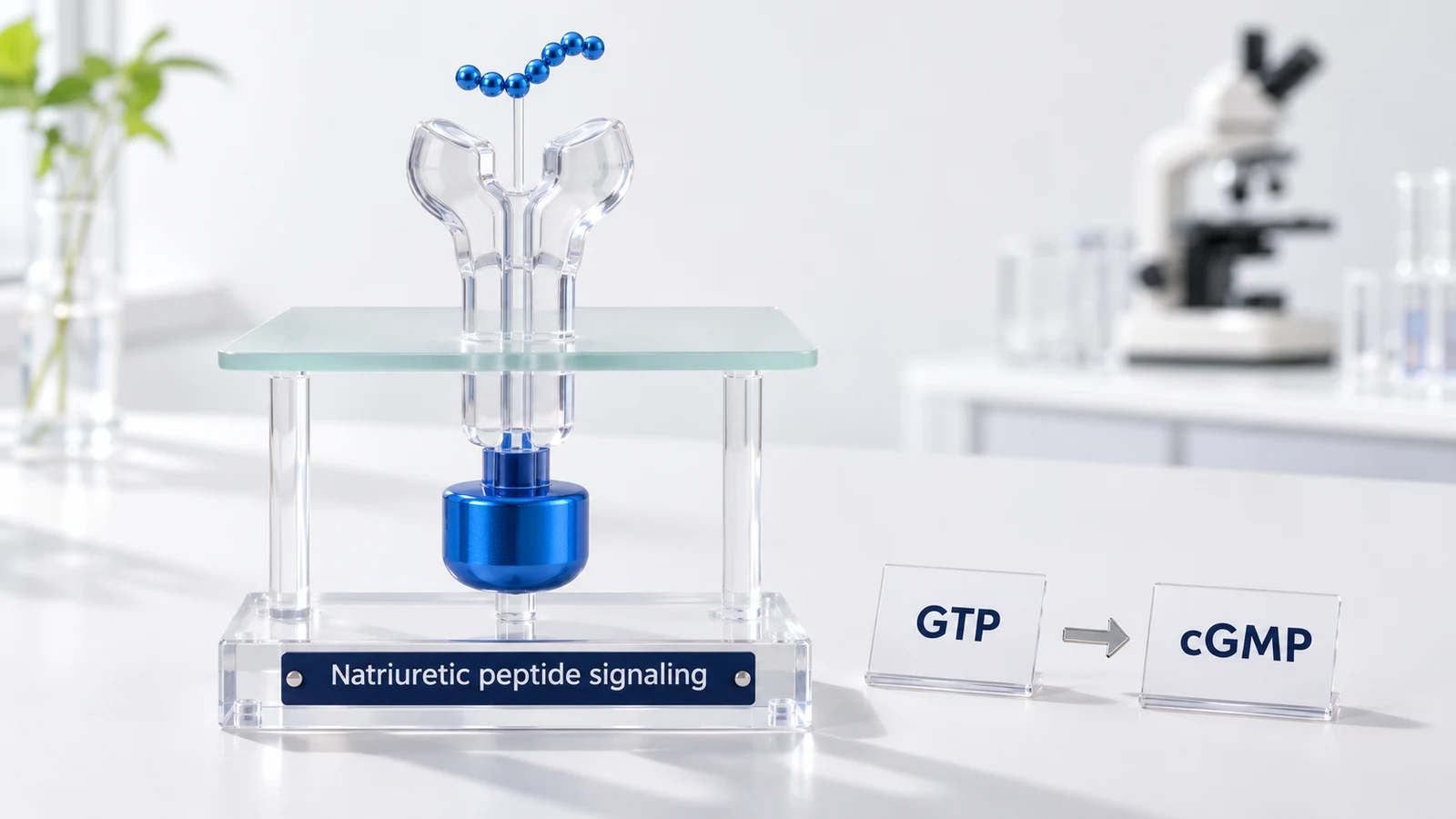
cGMP and Natriuretic Peptide Receptors Explained
Understand ANP, BNP, and CNP receptor signaling, how cGMP differs from cAMP, and why receptor identity, sensor location, and PDE conditions matter when reading peptide research.
Nov 3, 2026 · Marcus Thorne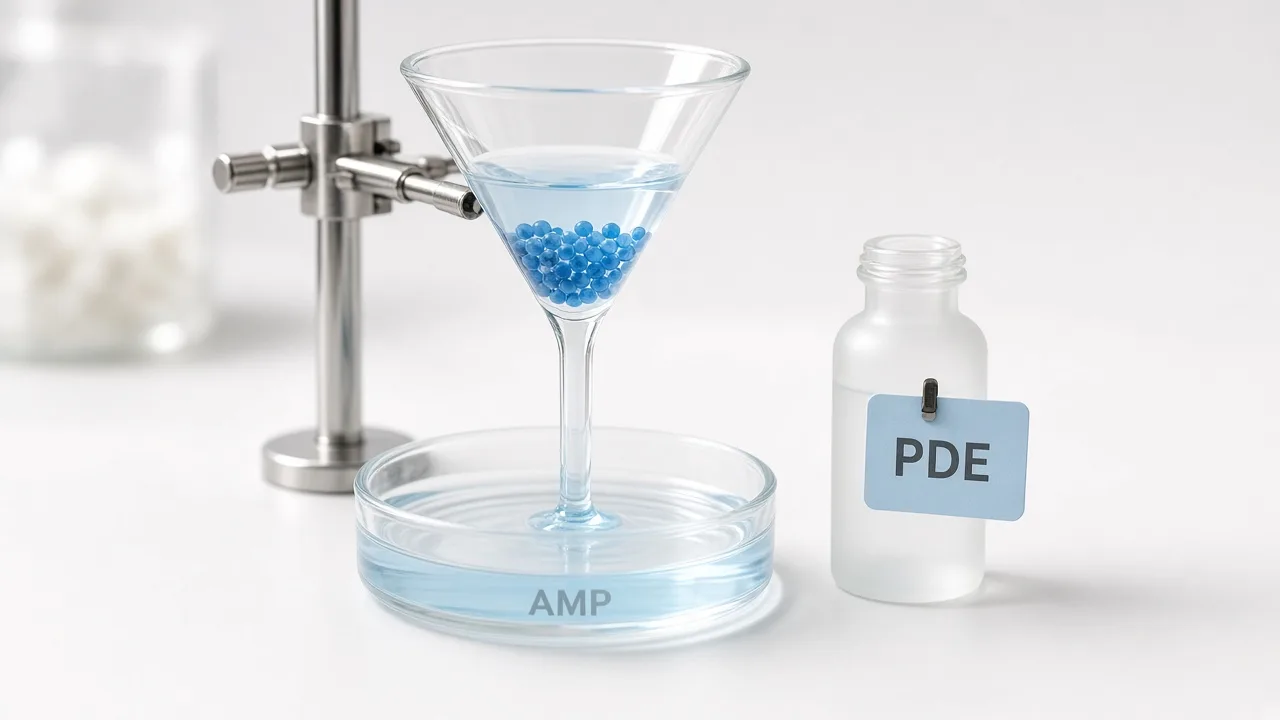
Phosphodiesterases and cAMP Signaling in Peptide Research Explained
Learn how phosphodiesterases (PDEs) shape peptide receptor cAMP results: family diversity, local messenger sinks, what PDE inhibitors change in an assay, and how to interpret compartment claims without overclaiming human benefit.
Nov 2, 2026 · Marcus Thorne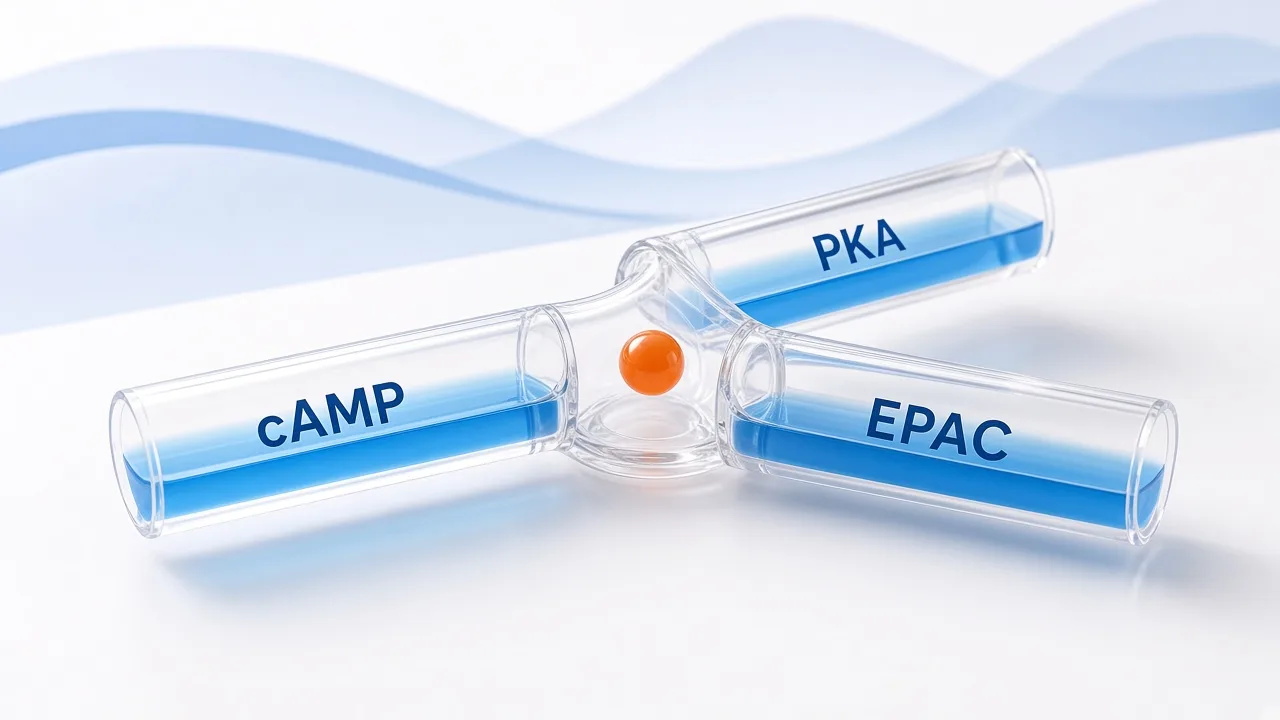
PKA and EPAC Signaling in Peptide Research Explained
Learn how cAMP can act through PKA and EPAC in peptide receptor research: what each effector measures, how selective tools help, why localization matters, and how to interpret pathway claims without overclaiming human benefit.
Nov 1, 2026 · Marcus Thorne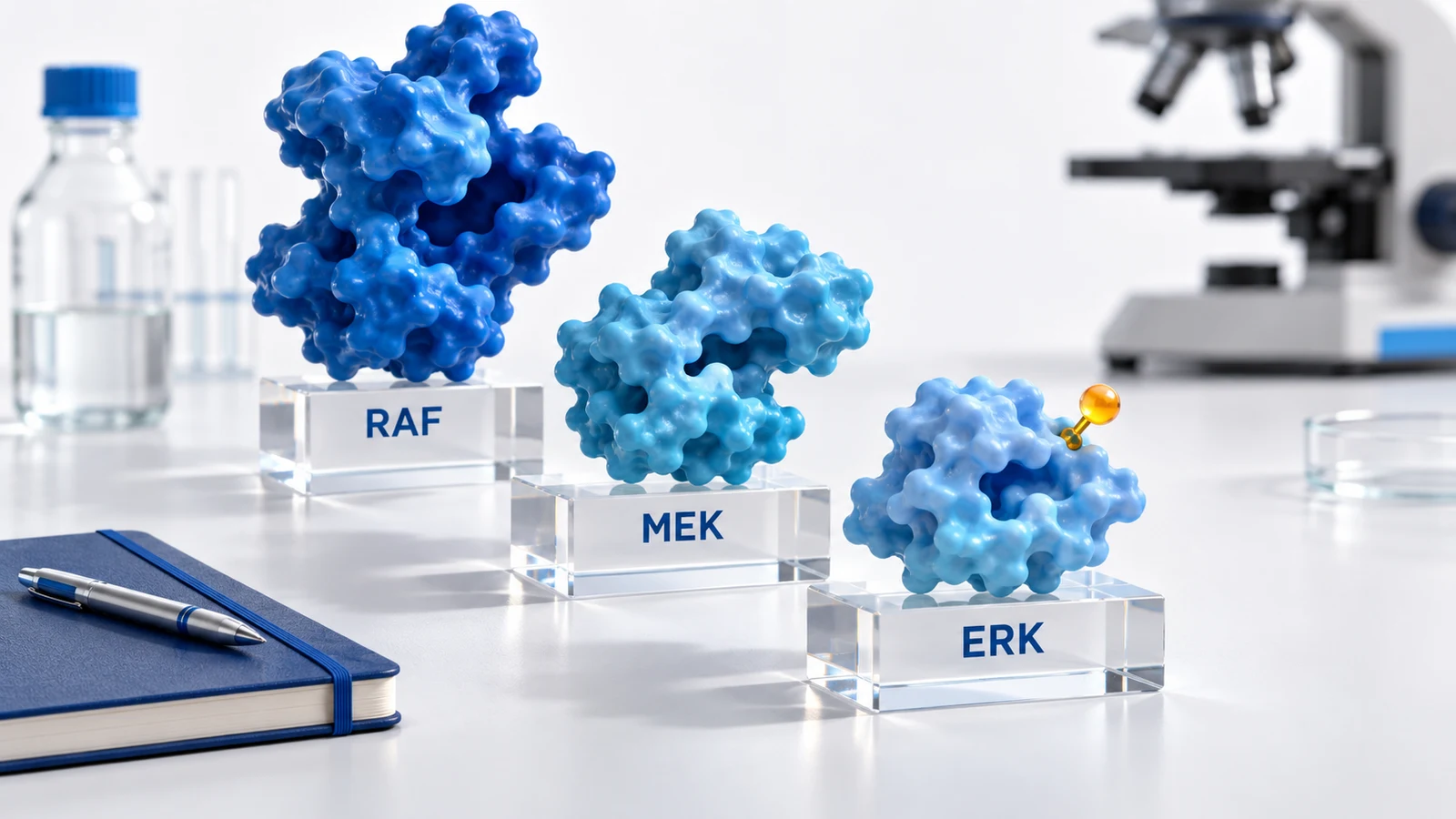
ERK and MAPK Signaling in Peptide Research Explained
Understand ERK1/2 phosphorylation, total ERK, time courses, and pathway evidence, with GLP-1 research examples and a practical guide to interpreting peptide signaling assays.
Oct 31, 2026 · Marcus Thorne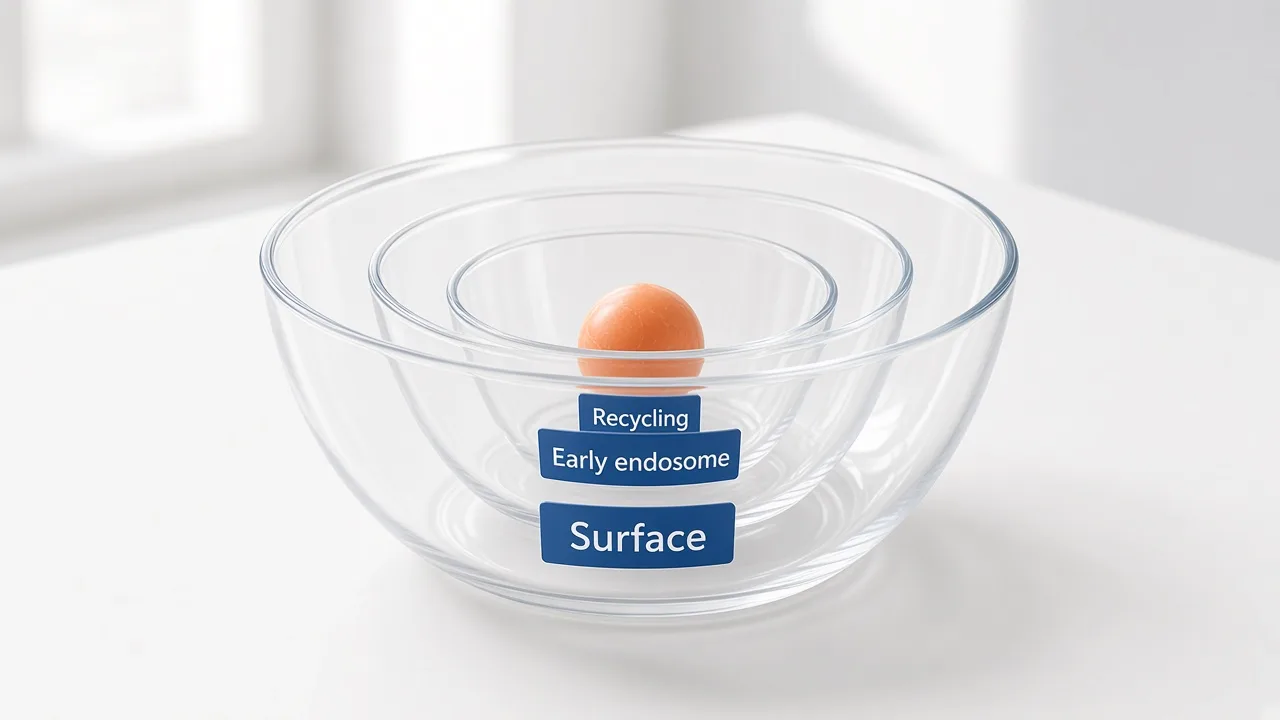
Endosomal Signaling in Peptide Research Explained
Learn what endosomal GPCR signaling means in peptide research: when internalization is not an off switch, what location versus activity evidence can show, how PTH and GLP-1 examples teach the distinction, and how to read sustained intracellular claims without overclaiming human benefit.
Oct 30, 2026 · Marcus Thorne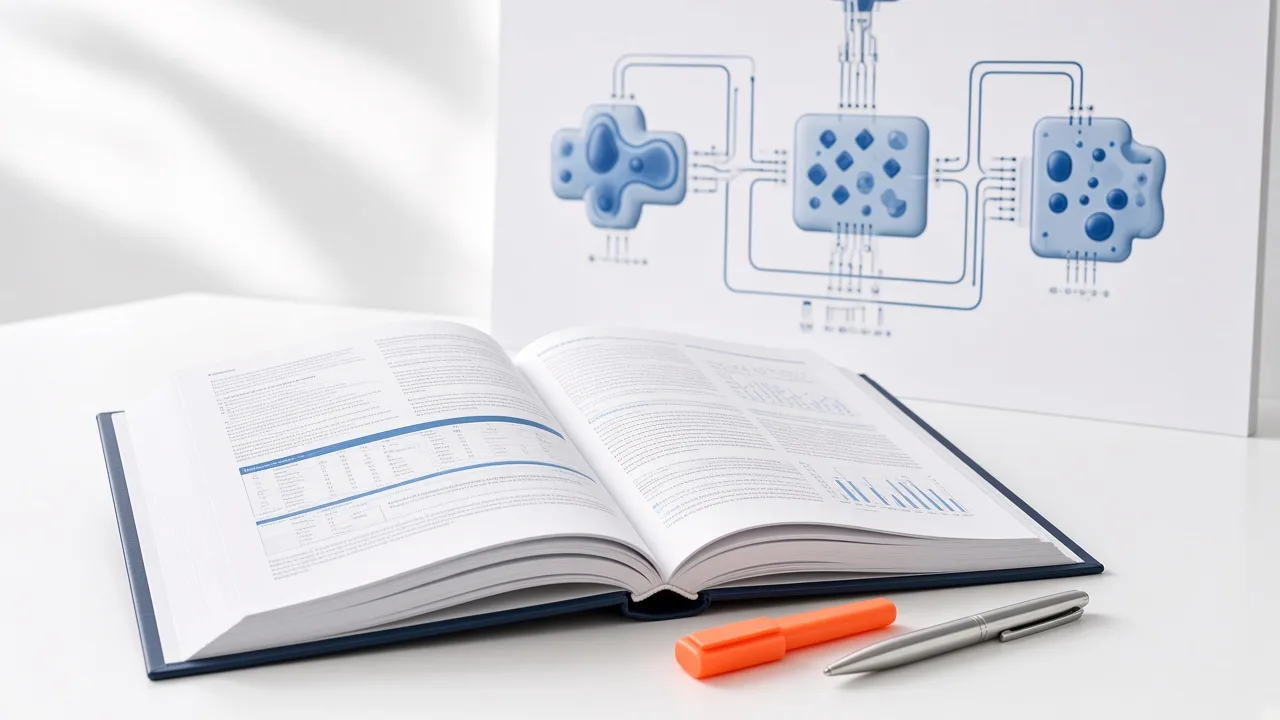
Beta-Arrestin Signaling in Peptide Research Explained
Learn what beta-arrestin peptide receptor assays measure: recruitment, internalization links, signaling scaffolds, how those readouts differ from G-protein assays, and how to interpret arrestin results without overclaiming human benefit.
Oct 29, 2026 · Marcus Thorne
Gi and Inhibitory Signaling in Peptide Research Explained
Learn what Gi and Go linked peptide receptor assays measure: reduced cAMP, G beta-gamma effectors, potassium and calcium channel context, how those readouts differ from Gs and Gq assays, and how to interpret inhibition without overclaiming human benefit.
Oct 28, 2026 · Marcus Thorne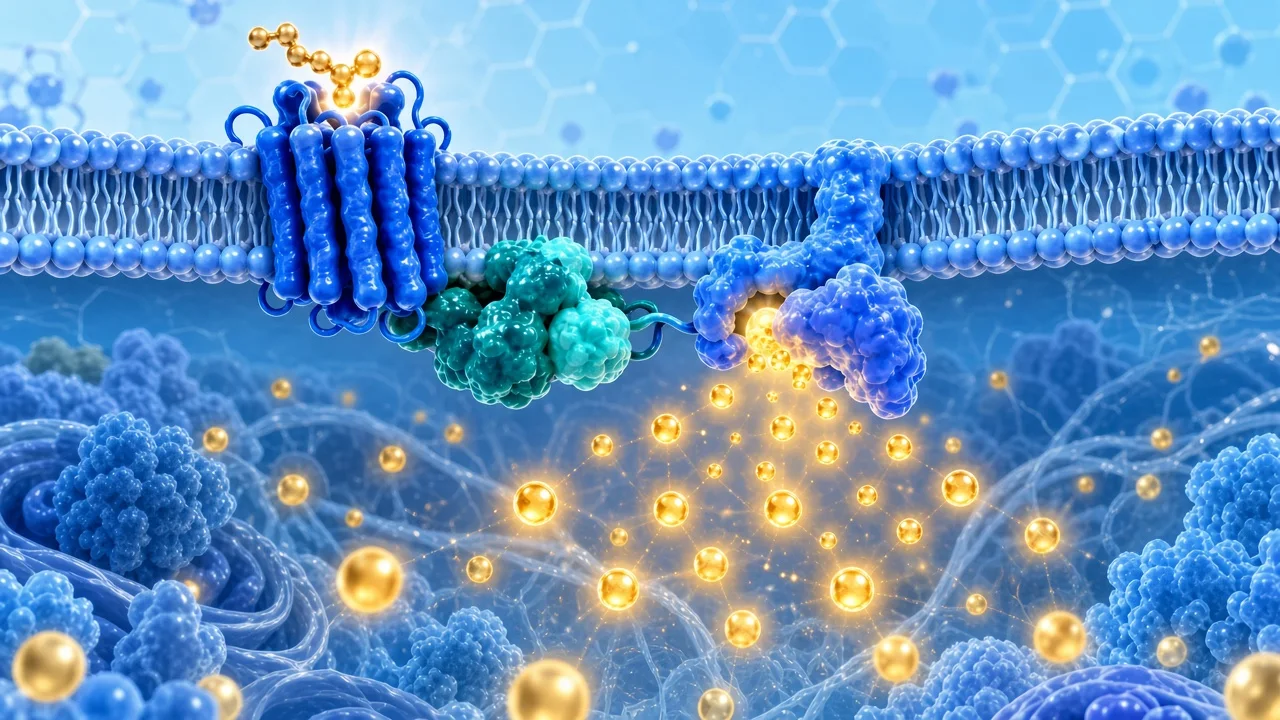
Gq and Calcium Signaling in Peptide Research Explained
Learn what Gq-linked peptide receptor assays measure: phospholipase C, IP3, DAG, intracellular calcium, how those readouts differ from cAMP, and how to interpret peaks, timing, and assay context without overclaiming human benefit.
Oct 27, 2026 · Marcus Thorne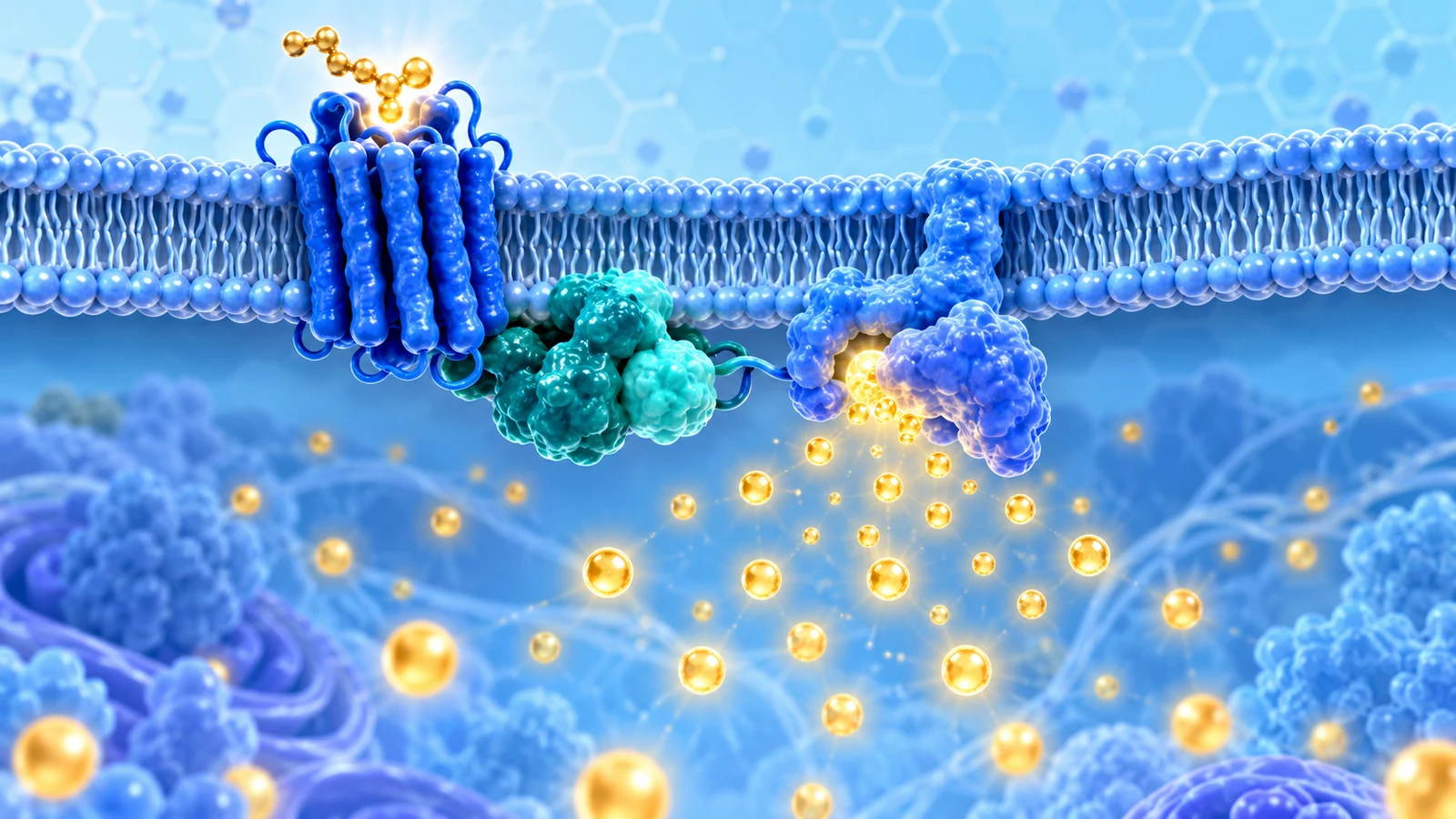
cAMP Signaling in Peptide Research Explained
Learn what cAMP assays measure, how PKA and EPAC differ, and why timing and location matter when interpreting peptide receptor studies, with PTH and GLP-1 research examples.
Oct 26, 2026 · Marcus Thorne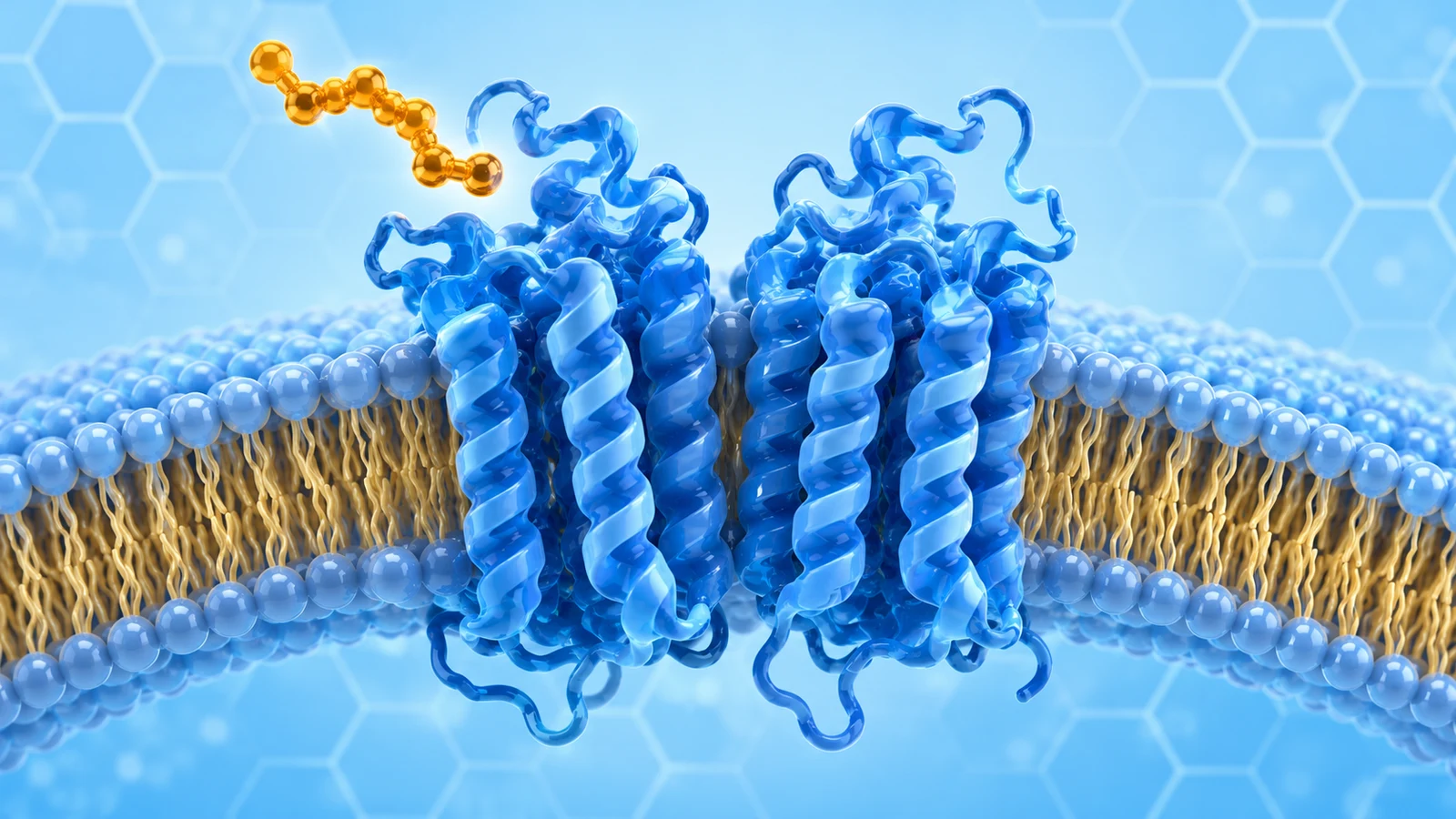
Peptide Receptor Dimerization Explained
Understand receptor monomers, homodimers, and heteromers, with GLP-1 and secretin study examples and a guide to what proximity, binding, and signaling experiments can prove.
Oct 25, 2026 · Marcus Thorne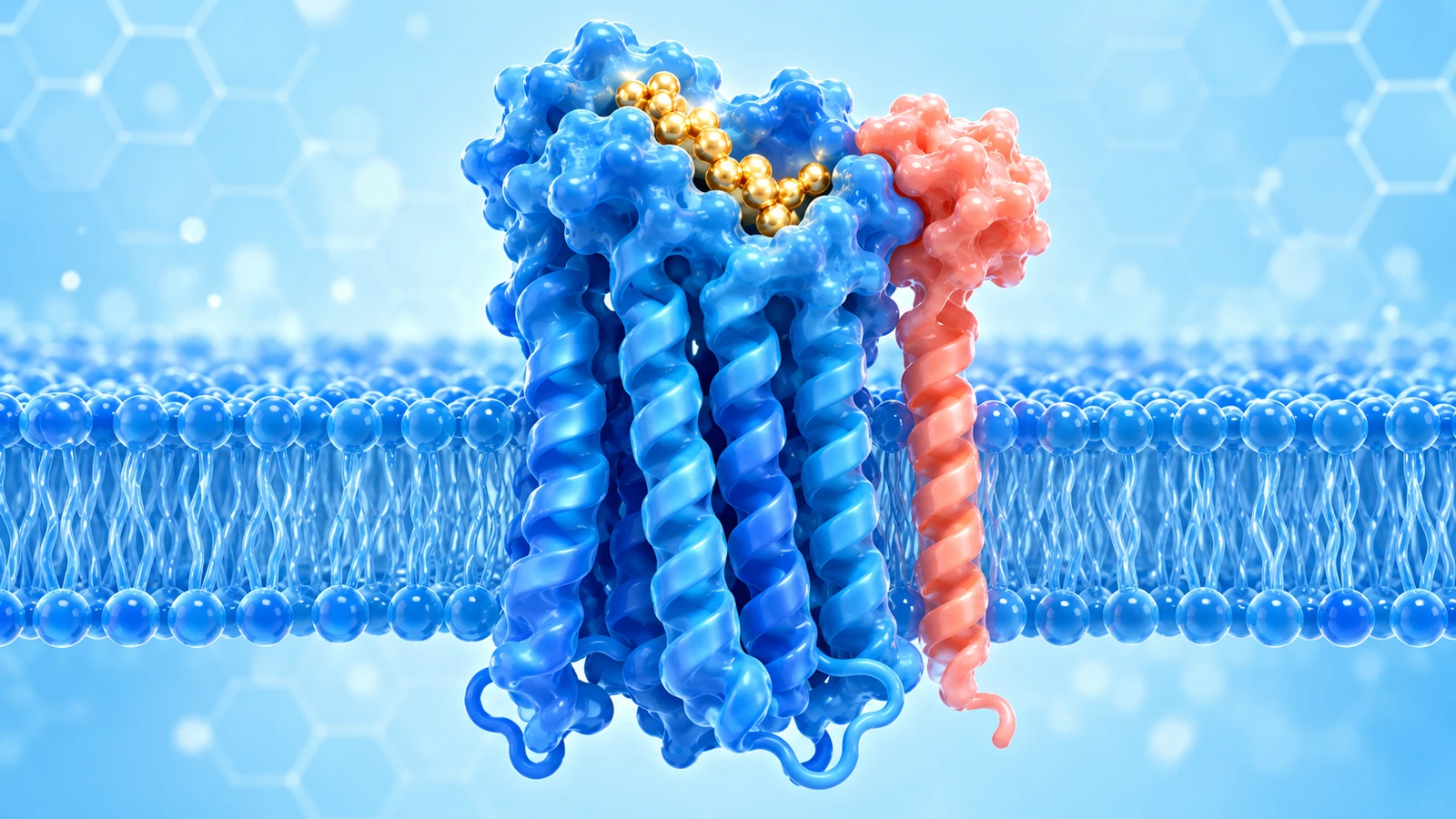
RAMPs and Peptide Receptors Explained
Learn how receptor activity-modifying proteins help form amylin, CGRP, and adrenomedullin receptors, and why complex composition matters when comparing peptide studies.
Oct 24, 2026 · Marcus Thorne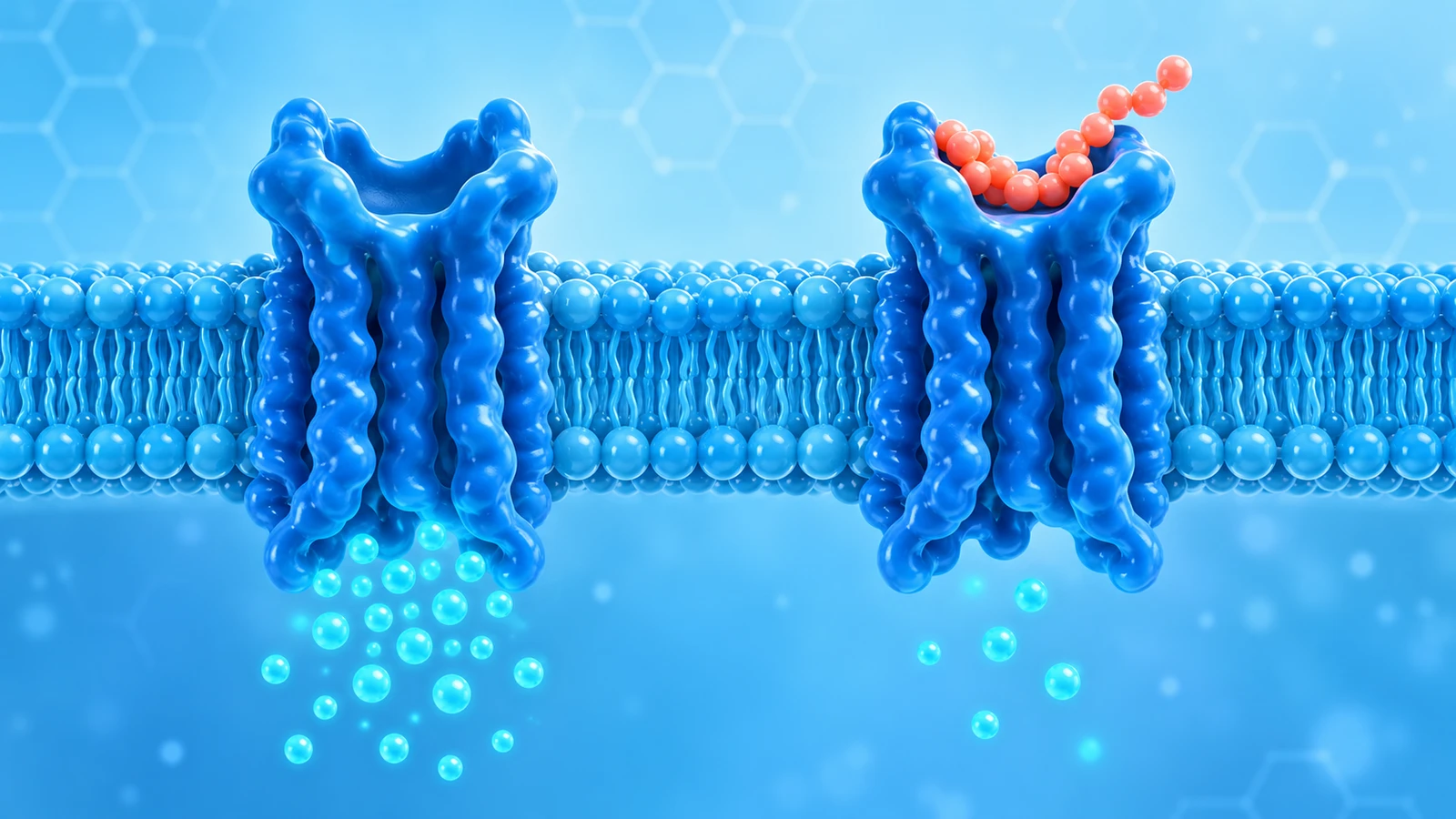
Inverse Agonism and Constitutive Activity at Peptide Receptors
Understand inverse agonists versus neutral antagonists, what basal receptor activity means, and how ghrelin, melanocortin, and PTH studies separate blockade from inverse agonism.
Oct 23, 2026 · Marcus Thorne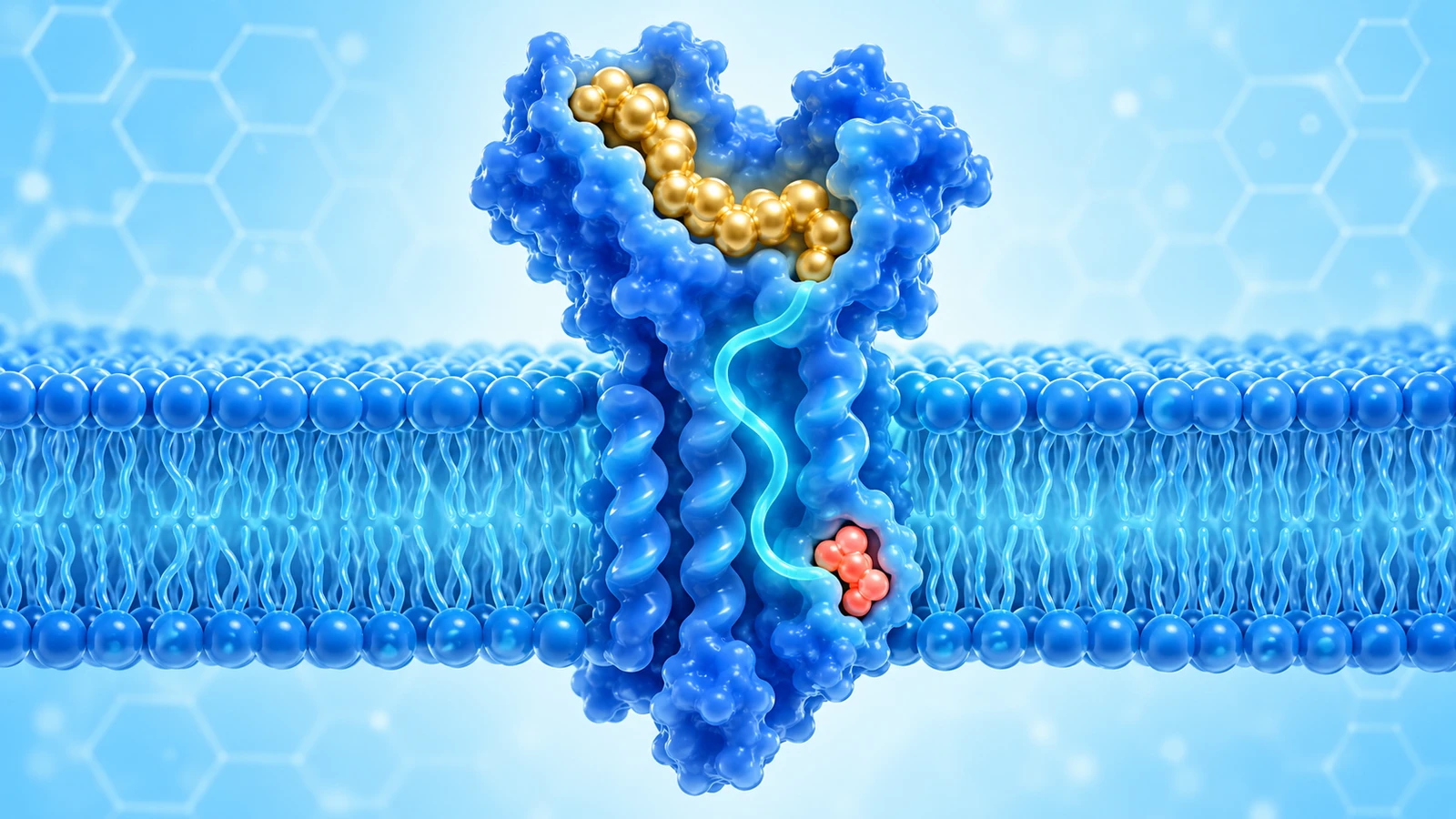
Allosteric Modulation of Peptide Receptors Explained
Learn what PAMs, NAMs, and ago-allosteric agonists mean, why modulation depends on the peptide and pathway, and how to read GLP-1 receptor studies.
Oct 22, 2026 · Marcus Thorne
Peptide Receptor Selectivity Explained
Understand peptide receptor selectivity, binding and potency ratios, species differences, and why target preference is different from signaling bias or tissue exposure.
Oct 21, 2026 · Marcus Thorne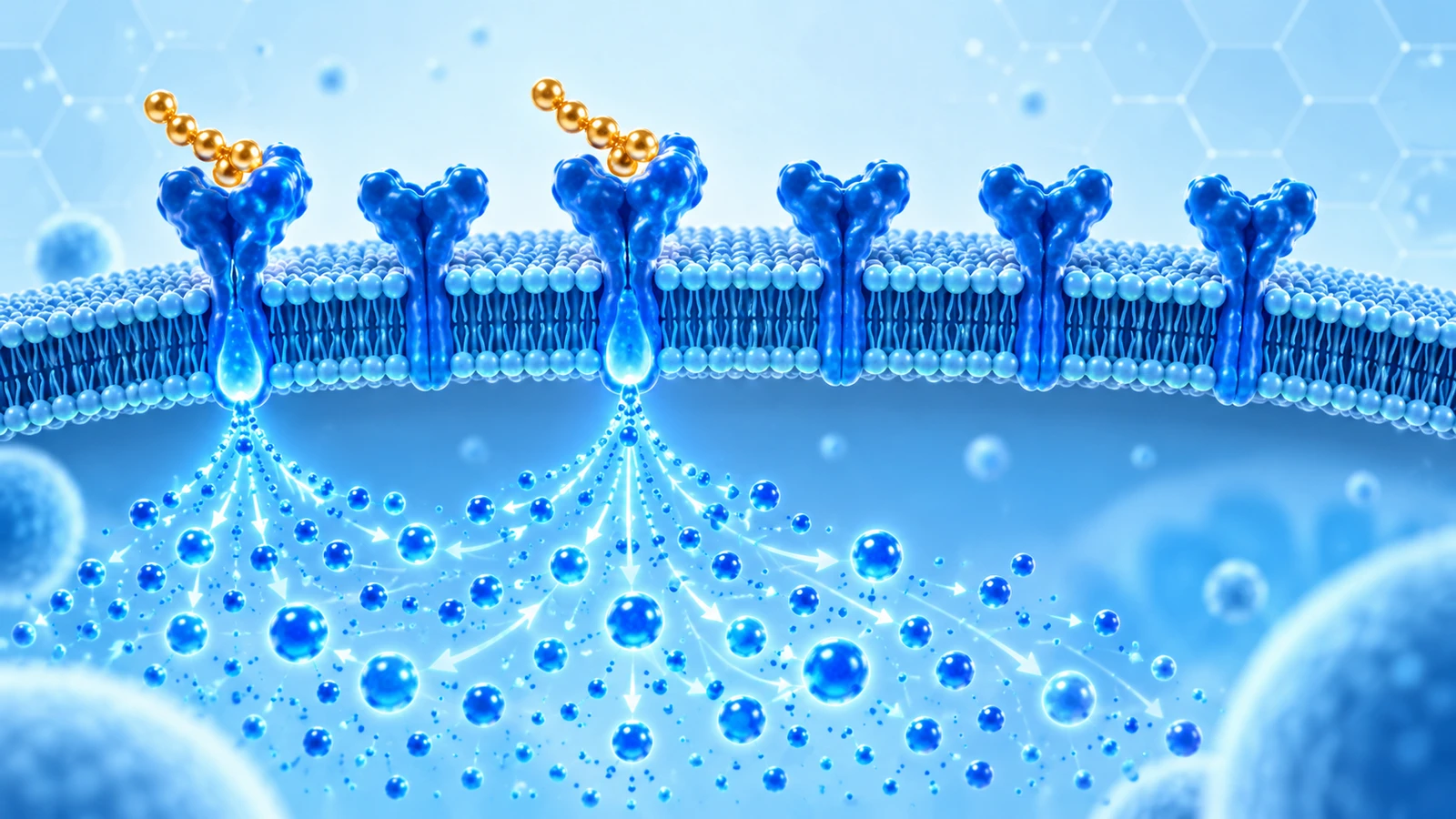
Receptor Reserve in Peptide Research Explained
Learn why receptor occupancy and response can differ, how spare receptors affect potency and apparent agonism, and what peptide receptor studies actually measure.
Oct 20, 2026 · Marcus Thorne
Peptide Receptor Desensitization and Internalization Explained
Understand peptide receptor desensitization, internalization, recycling, and downregulation, with GLP-1 and PTH study examples and a guide to reading the evidence.
Oct 19, 2026 · Marcus Thorne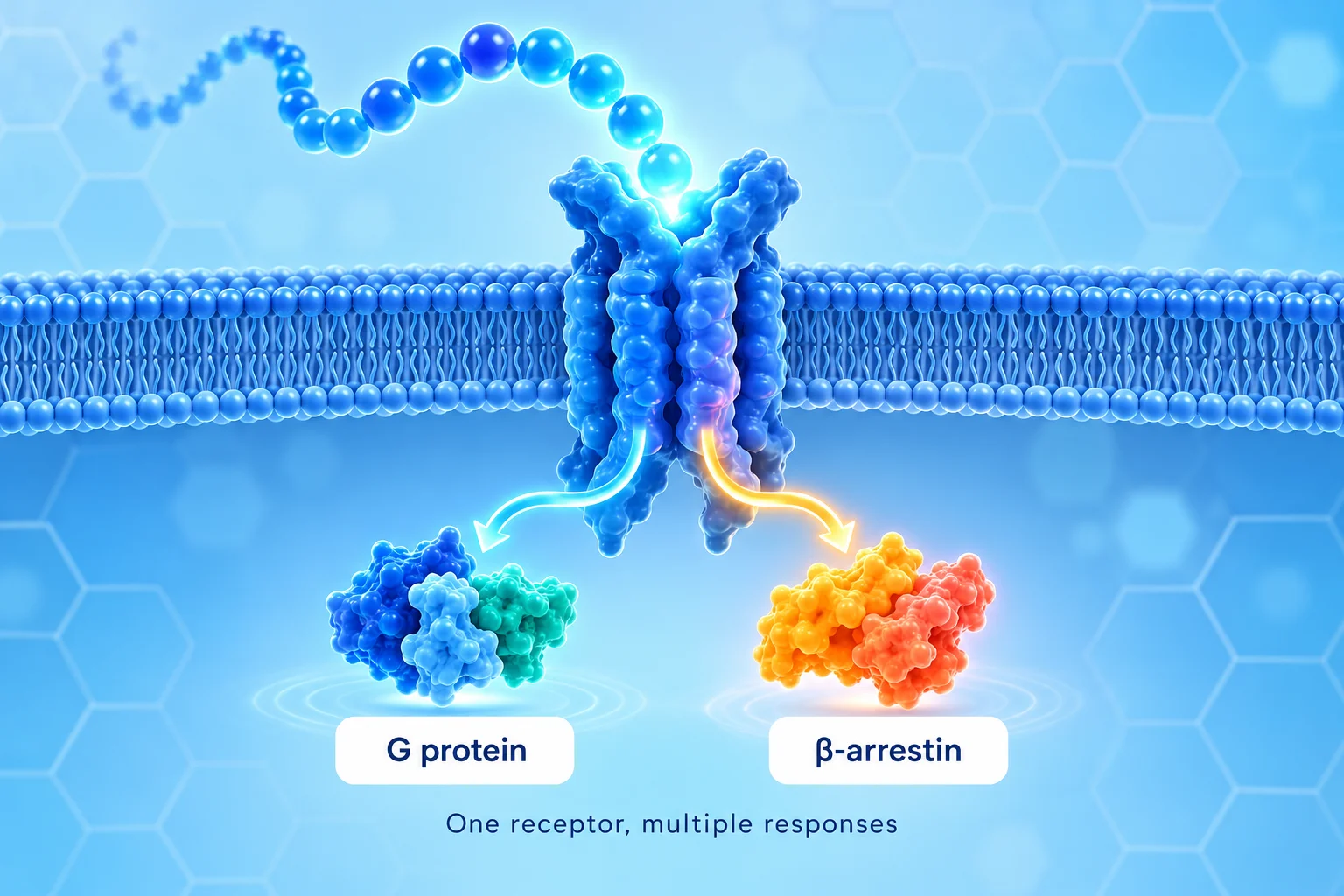
Biased Agonism in Peptide Research Explained
What biased agonism means in peptide research: G protein versus β-arrestin responses, reference ligands, assay limitations, and lessons from GLP-1 studies.
Oct 18, 2026 · Marcus Thorne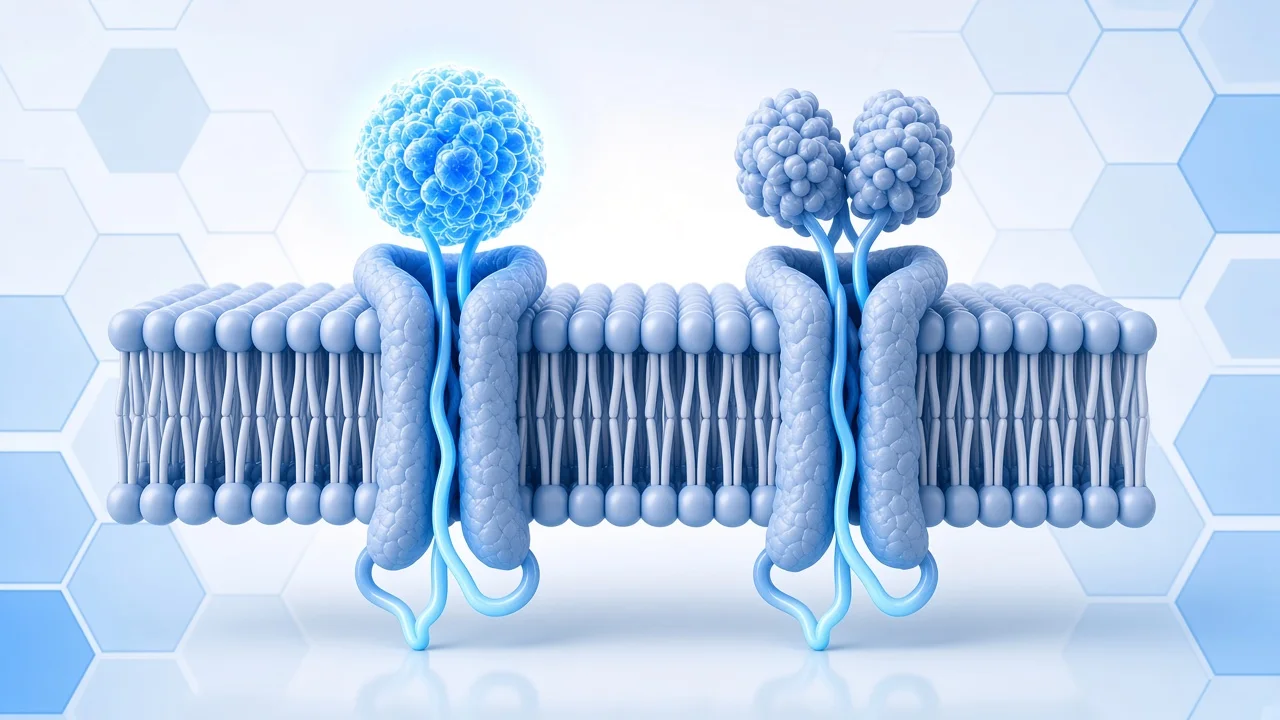
Agonist vs Antagonist Peptides Explained
Educational guide to agonist versus antagonist language in peptide research: what activation and blockade mean in a stated assay, how competitive antagonism shifts curves, why inverse agonism is a separate label, and how to refuse personal-use leaps from ligand-class vocabulary.
Oct 17, 2026 · Marcus Thorne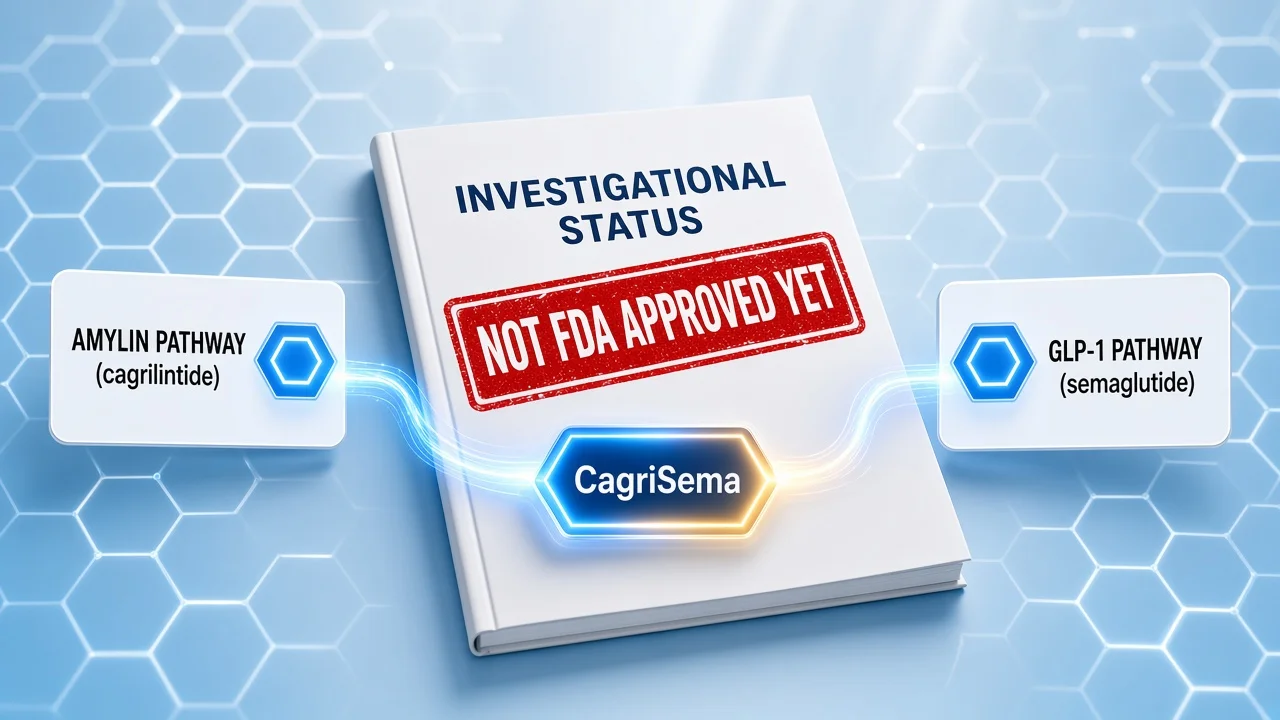
Is CagriSema FDA-Approved? Status Explained
Is CagriSema FDA-approved? Not yet. Learn cagrilintide vs CagriSema, NDA filing versus approval, REDEFINE trials, and how to read 2026 status headlines.
Oct 15, 2026 · Elena Rostova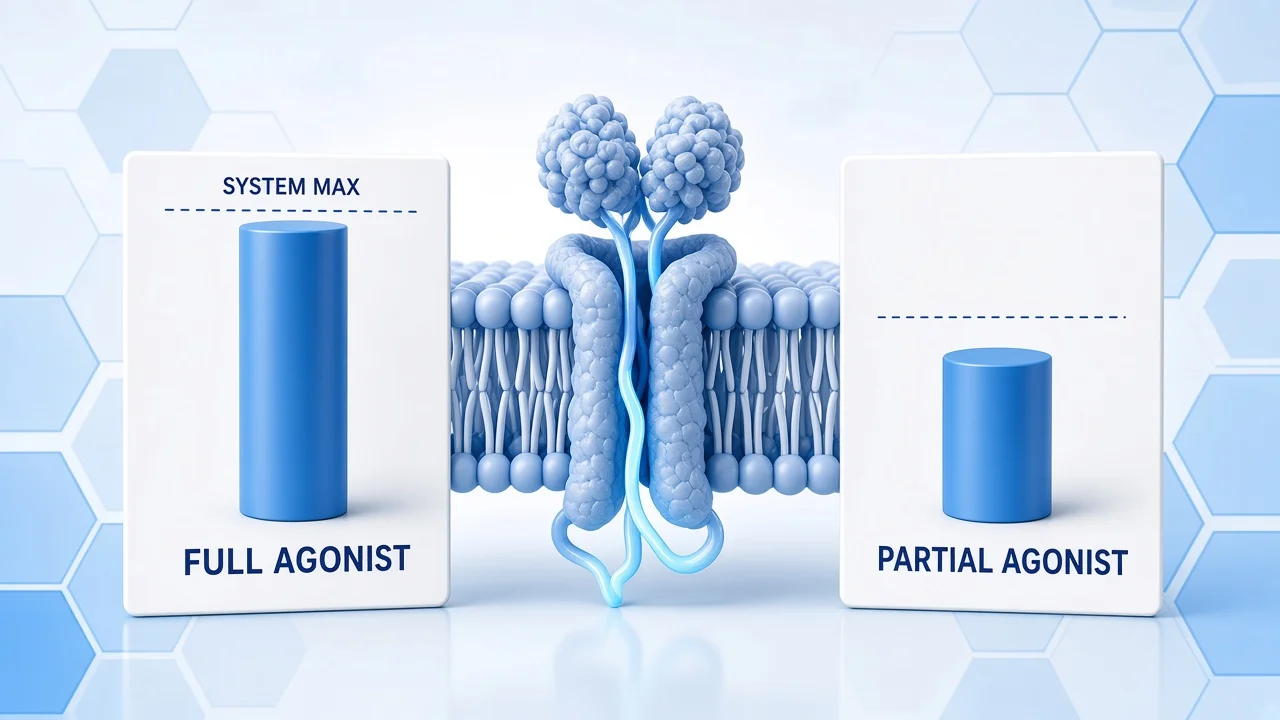
Partial vs Full Agonist Peptides: Response Ceiling Literacy
Educational guide to partial versus full agonists in peptide research: how observed Emax and receptor occupancy relate, why the same ligand can look full or partial across systems, and how to stop agonist labels from becoming personal rankings.
Oct 14, 2026 · Marcus Thorne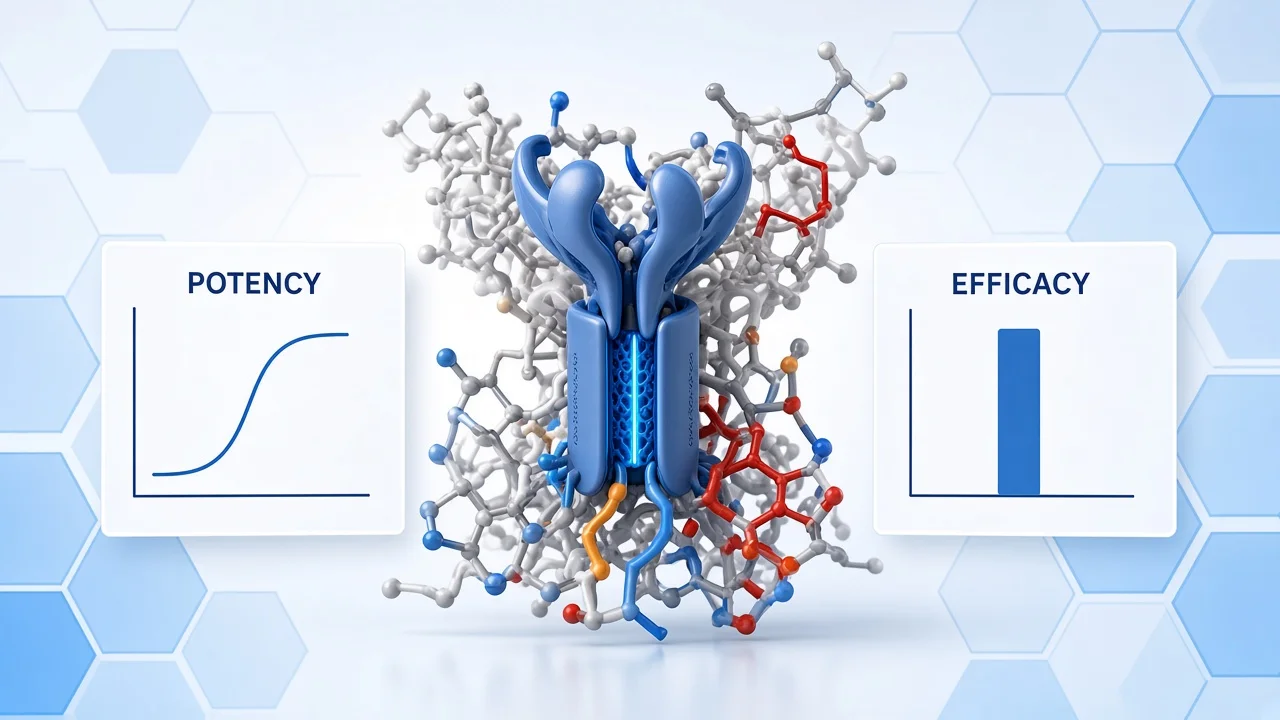
Potency vs Efficacy in Peptide Research: Curve Literacy
Educational guide to potency versus efficacy in peptide research: EC50 and Emax definitions, how much ligand is needed for a stated assay effect, how large the maximum response can be, and how to read those curve features without collapsing them into personal rankings.
Oct 13, 2026 · Marcus Thorne
Affinity vs Efficacy in Peptide Research: A Literacy Split
Full educational guide to affinity versus efficacy in peptide research: binding preference, occupancy, functional response, potency confusion, partial-agonist literacy, and how to stop nanomolar charts from becoming personal promises.
Oct 12, 2026 · Marcus Thorne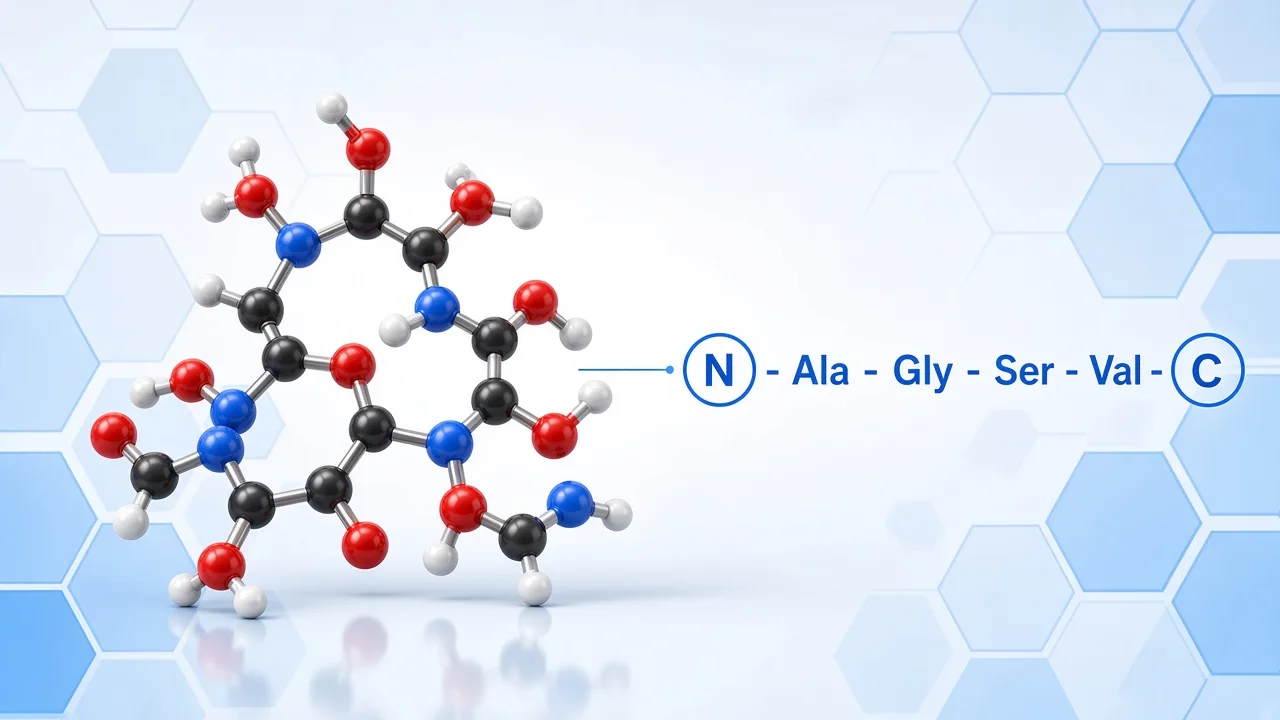
Peptide Sequence Notation: How Papers Write Chains
Full educational guide to peptide sequence notation: N-to-C direction, one-letter and three-letter amino-acid codes, hyphens and fragment marks, modification shorthand, and how to read strings without overclaiming purity or biology.
Oct 11, 2026 · Elena Rostova
Liraglutide vs Semaglutide: Research Literacy Comparison
Full educational comparison of liraglutide and semaglutide: shared GLP-1 receptor agonist class, different molecules, Victoza/Saxenda and Ozempic/Wegovy brand columns, interval literacy, cross-trial traps, and how to verify claims without crowning a personal winner.
Oct 10, 2026 · Marcus Thorne
Oral vs Injectable Semaglutide: Formulation Literacy
Full educational guide to oral versus injectable semaglutide finished drugs: why form is not a nickname synonym, peptide absorption barriers, SNAC co-formulation literacy, brand and presentation columns, and marketplace lookalike traps.
Oct 9, 2026 · Elena Rostova
Ozempic vs Wegovy: Same Semaglutide, Different Labels
Full educational comparison of Ozempic and Wegovy: shared semaglutide chemistry, different FDA indication columns, overlapping cardiovascular language traps, form literacy, and how to verify claims without choosing a brand for anyone.
Oct 7, 2026 · Marcus Thorne
Semaglutide Research and Approval Status Explained
Full educational status guide to semaglutide: GLP-1 receptor agonist mechanism, FDA-approved brand landscapes (Ozempic, Wegovy, Rybelsus and related presentations), label-change habits, marketplace lookalikes, and how to verify claims without personal-use advice.
Oct 5, 2026 · Elena Rostova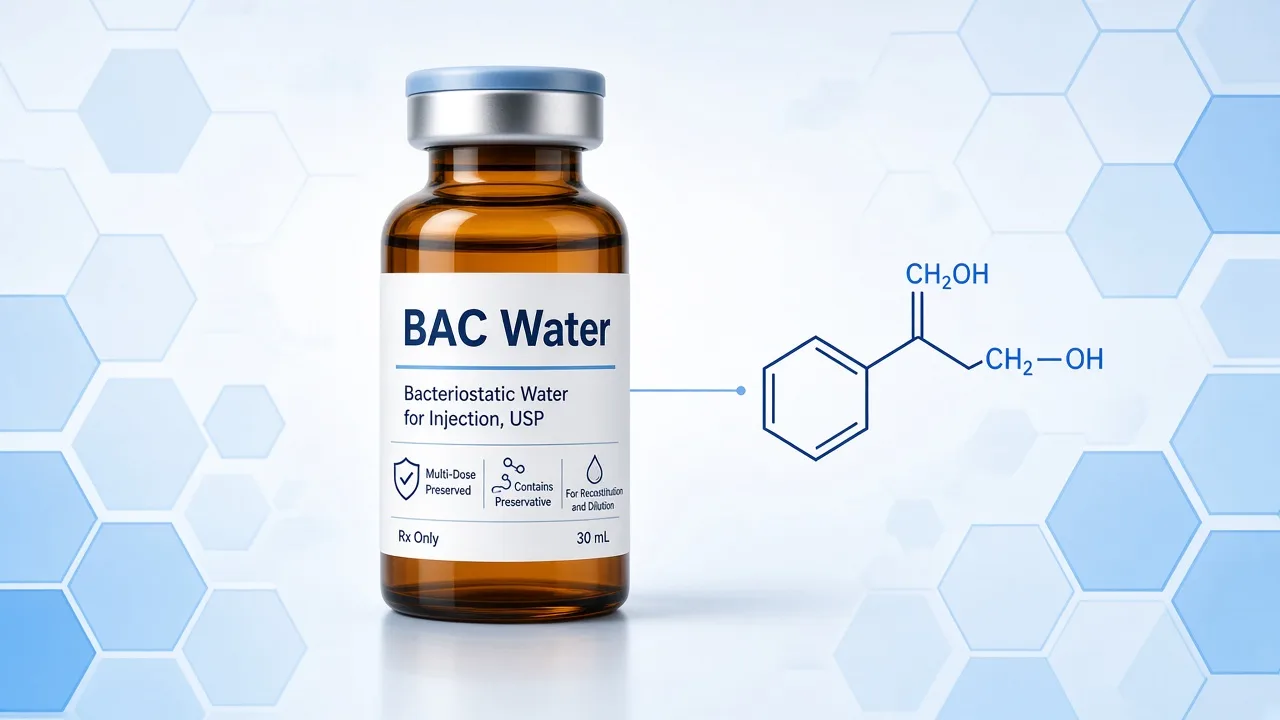
Benzyl Alcohol in BAC Water: What It Does
What does benzyl alcohol do in BAC water? It is the bacteriostatic preservative in bacteriostatic water. Learn what that means, vs sterile water, and what it does not prove.
Oct 2, 2026 · Elena Rostova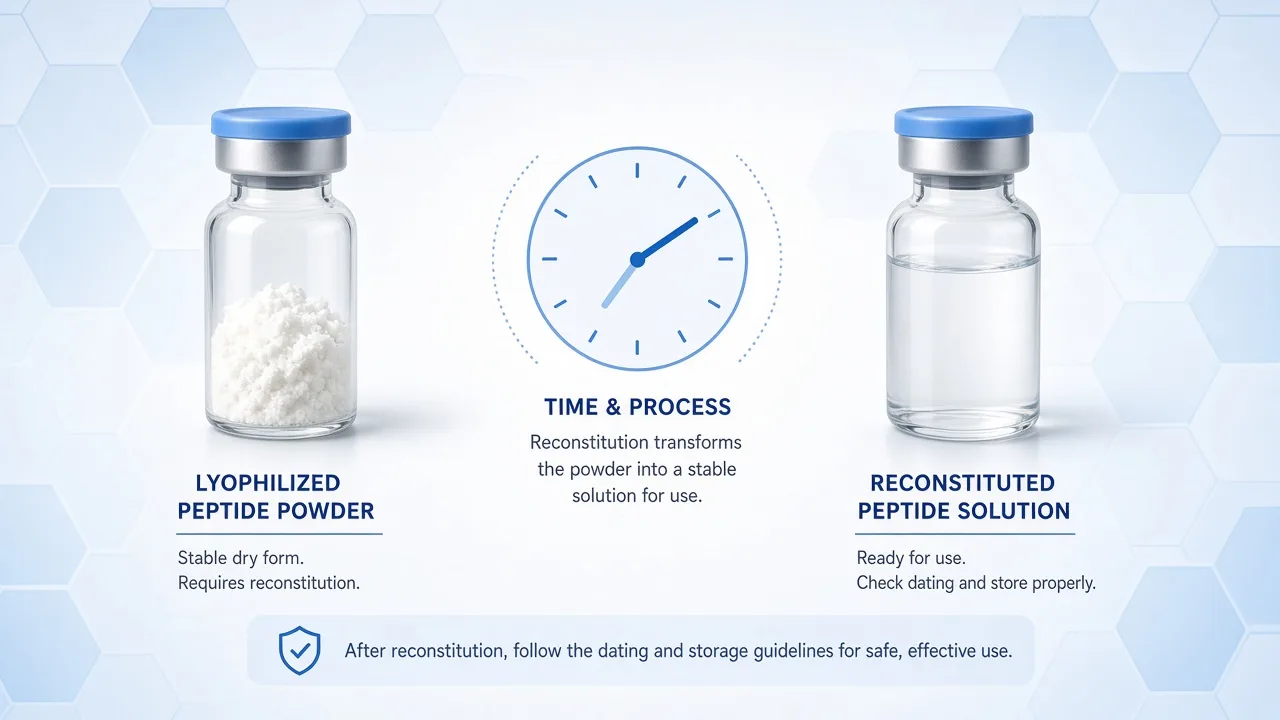
How Long Do Reconstituted Peptides Last?
There is no single shelf-life number for reconstituted peptides. Learn why solution stability depends on sequence and conditions, and how that differs from BAC water dating.
Oct 2, 2026 · Marcus Thorne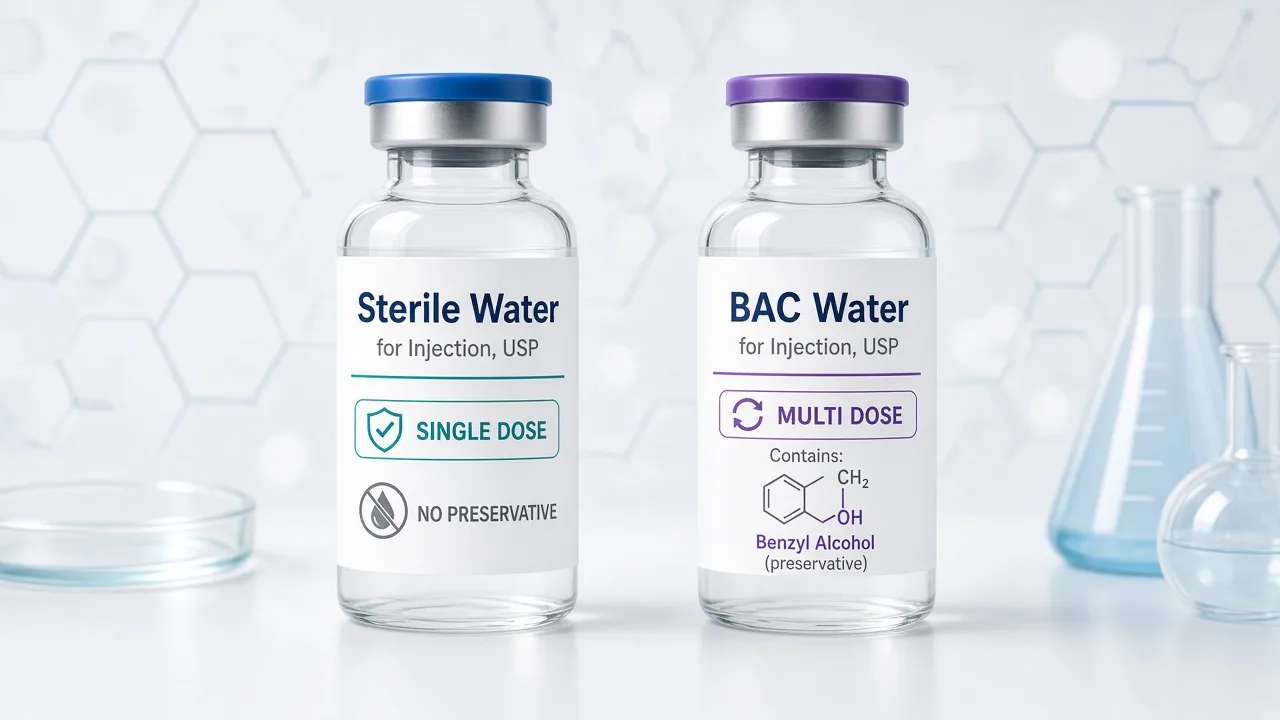
Sterile Water vs Bacteriostatic Water
Educational comparison of Sterile Water for Injection and Bacteriostatic Water for Injection: preservative, single-dose versus multi-dose labeling, and common mix-ups.
Oct 2, 2026 · Elena Rostova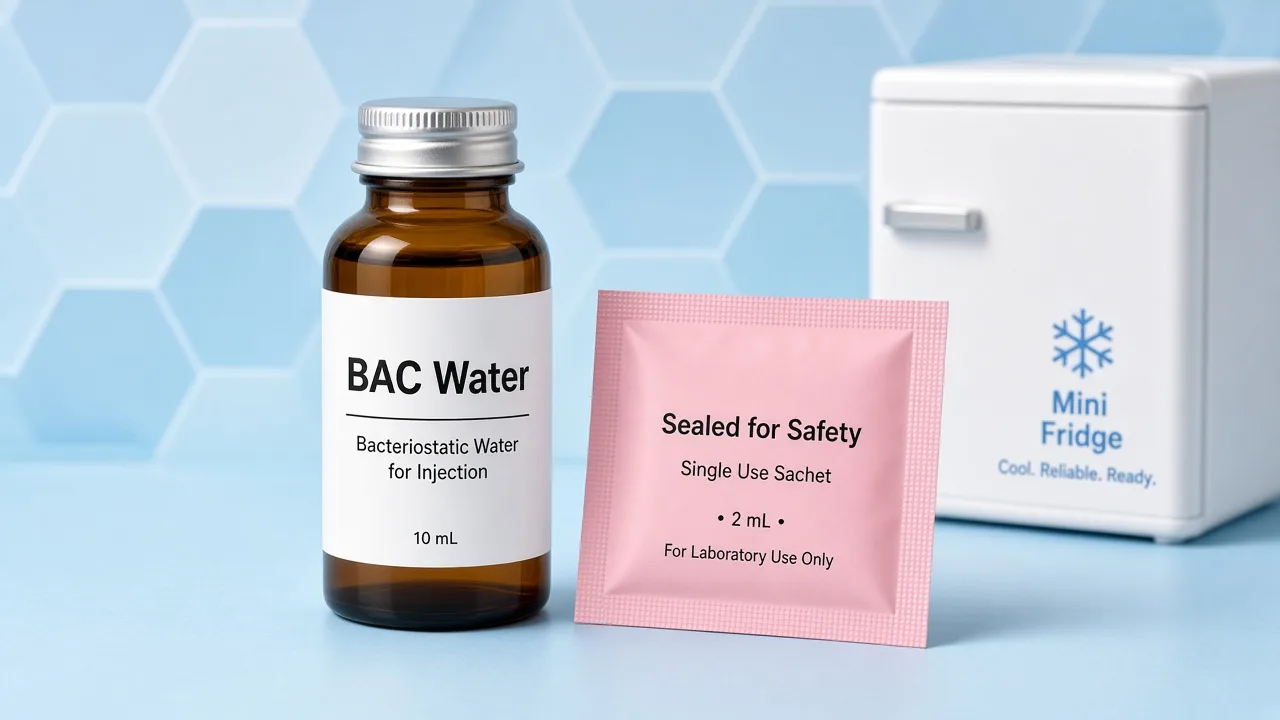
How Long Does BAC Water Last?
BAC water lasting depends on two clocks: the unopened label expiration, and the common 28-day multi-dose window after first puncture. Learn the difference.
Sep 27, 2026 · Elena Rostova
Compounded GLP-1 Products vs FDA-Approved Medicines
Educational differences between FDA-approved incretin medicines and compounded or unapproved GLP-1 related products, including FDA warnings on retatrutide.
Sep 26, 2026 · Elena Rostova
How to Read Obesity Drug Trial Headlines
News-literacy guide for peptide and incretin obesity-trial headlines: endpoints, populations, topline limits, and approval status checks.
Sep 26, 2026 · Marcus Thorne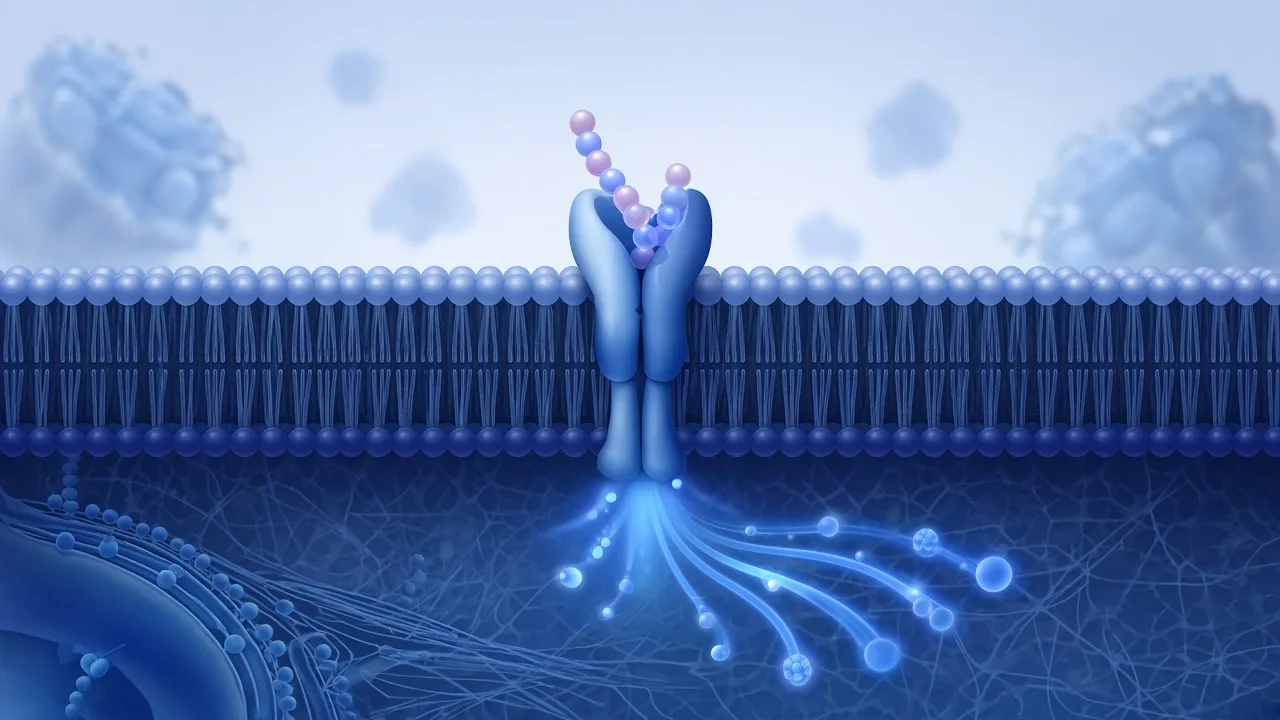
Dual and Triple Agonist Peptides: Mechanism Literacy
Educational explainer of dual GIP/GLP-1 and triple GIP/GLP-1/glucagon agonist language used in metabolic peptide research and development.
Sep 25, 2026 · Elena Rostova
Mounjaro vs Zepbound: Same Tirzepatide, Different Labels
Why Mounjaro and Zepbound share tirzepatide yet carry different FDA-labeled uses, and how readers should keep brand literacy separate from molecule nicknames.
Sep 23, 2026 · Marcus Thorne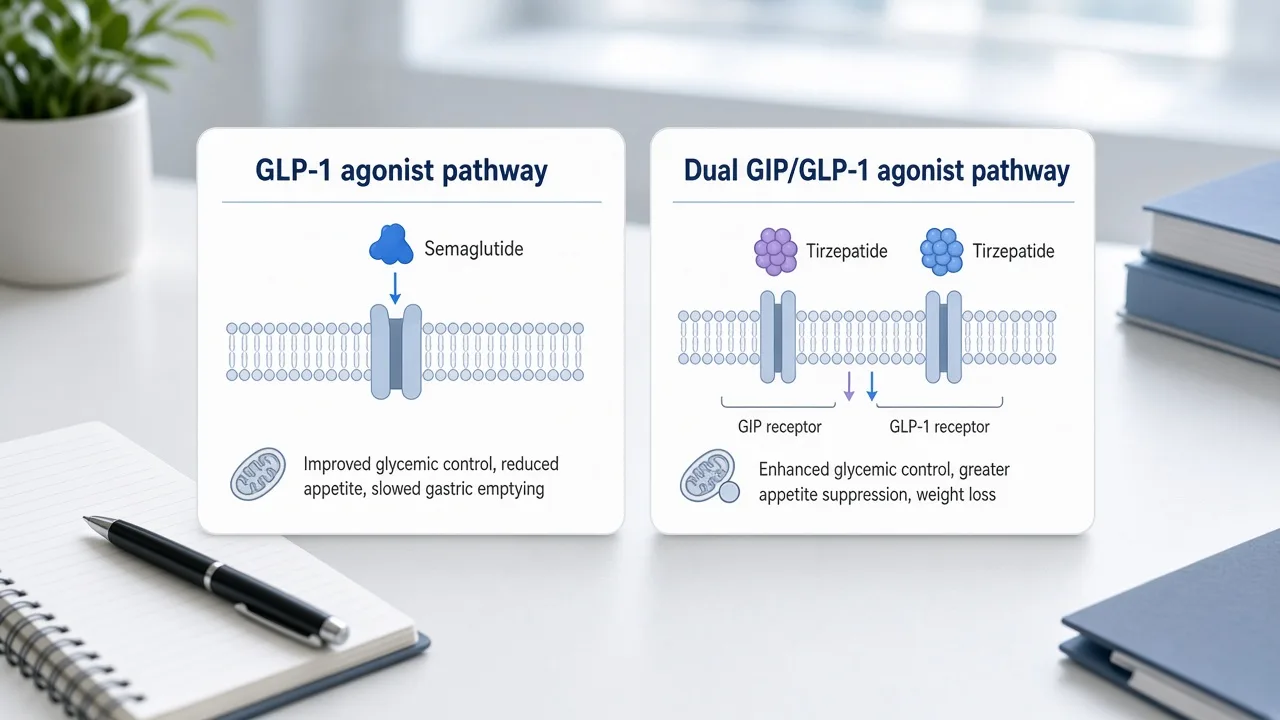
Semaglutide vs Tirzepatide: Research Literacy Comparison
Educational comparison of semaglutide and tirzepatide: mechanism families, brand contexts, and how to compare labels without picking a personal winner.
Sep 21, 2026 · Elena Rostova
Retatrutide Investigational Status: What Trial News Means
Educational status guide to retatrutide (LY3437943): investigational triple agonist, Phase 3 programs, and why trial headlines are not FDA approval.
Sep 19, 2026 · Marcus Thorne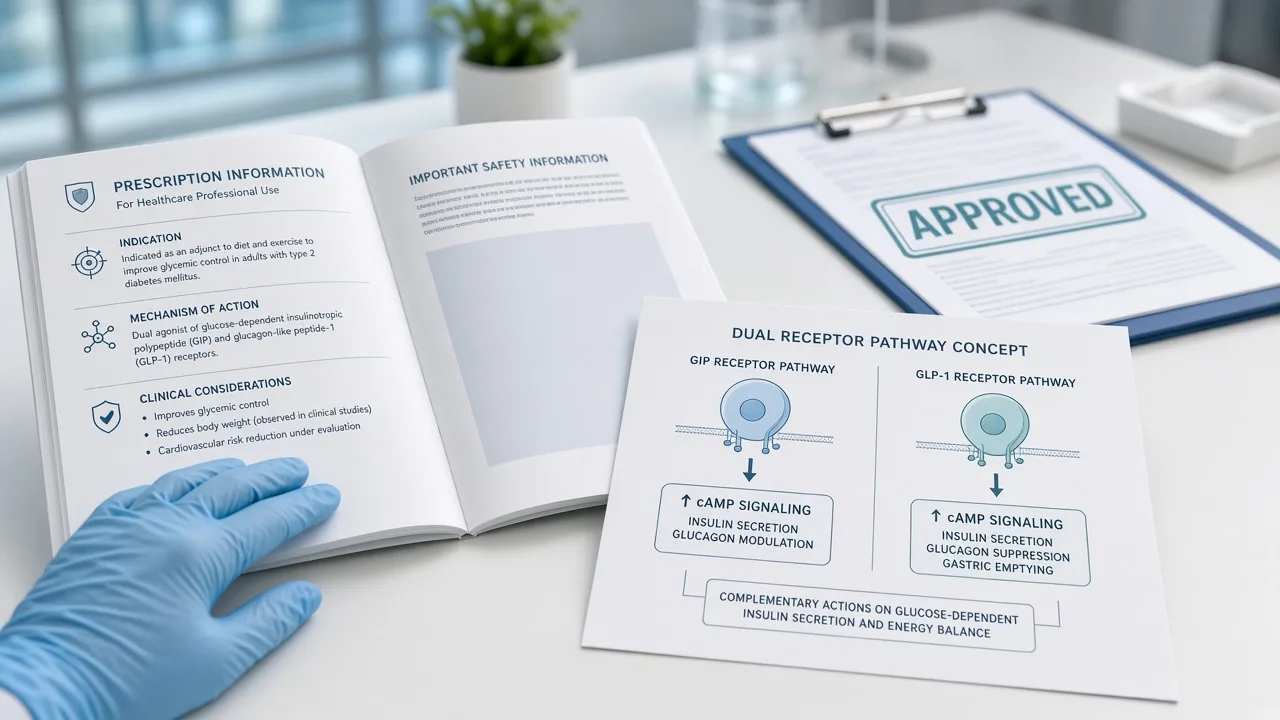
Tirzepatide Research and Approval Status Explained
Educational overview of tirzepatide: dual GIP/GLP-1 agonist, FDA-approved brand contexts (Mounjaro and Zepbound), and what status does not mean for personal decisions.
Sep 17, 2026 · Elena Rostova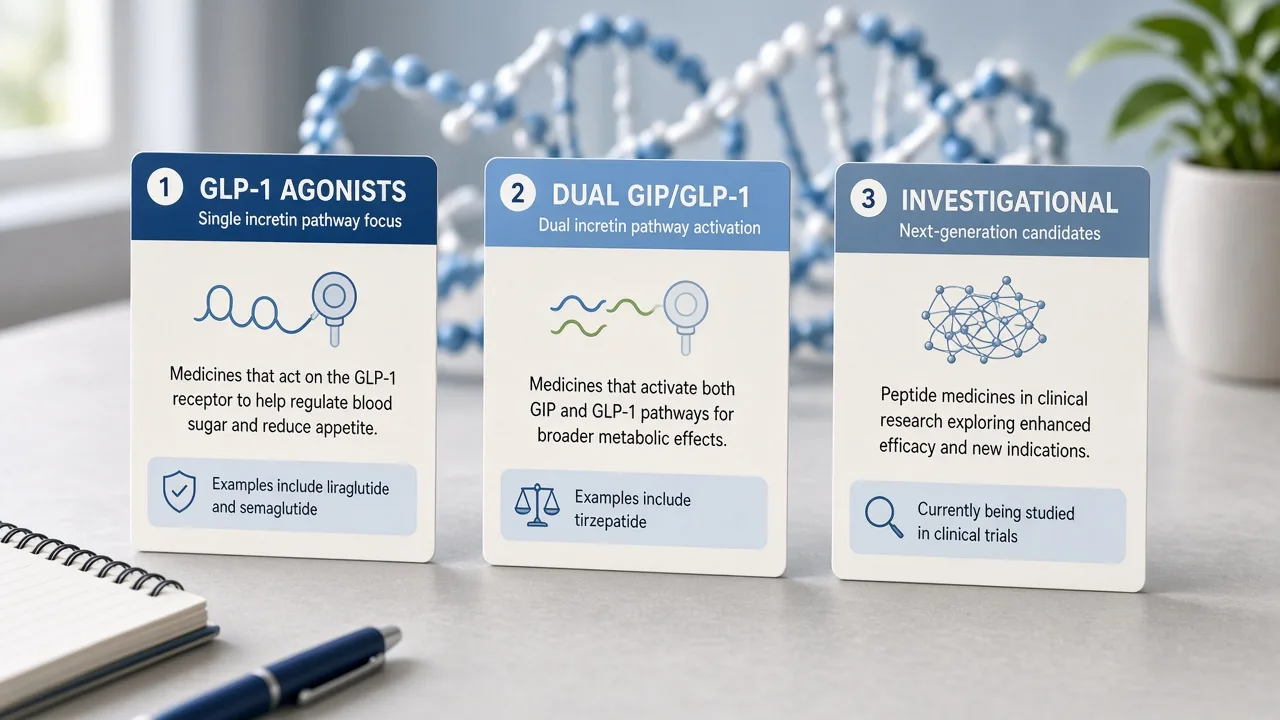
GLP-1 and GIP Peptide Medicines: How to Read the Category
Educational map of GLP-1 and dual GIP/GLP-1 peptide medicines: approved brands, investigational cousins, and how to separate status from marketing language.
Sep 15, 2026 · Marcus Thorne
Peptide News vs Peer Review
Separate peptide headlines, press releases, and social posts from peer-reviewed research with calm literacy habits. Educational only, not medical advice.
Sep 13, 2026 · Elena Rostova
How to Compare Peptide Studies Fairly
Compare peptide papers by question, design, population, endpoints, and evidence class instead of crowning false winners from headlines or social posts.
Sep 11, 2026 · Marcus Thorne
Compounded vs Approved Peptide Medicines
Educational differences between compounded drugs and FDA-approved medicines in peptide-related public conversation, without sourcing or use advice.
Sep 9, 2026 · Elena Rostova
What Research-Use-Only Means
What research-use-only labeling means and does not mean, including FDA RUO context and common public misunderstandings about research peptide claims.
Sep 7, 2026 · Marcus Thorne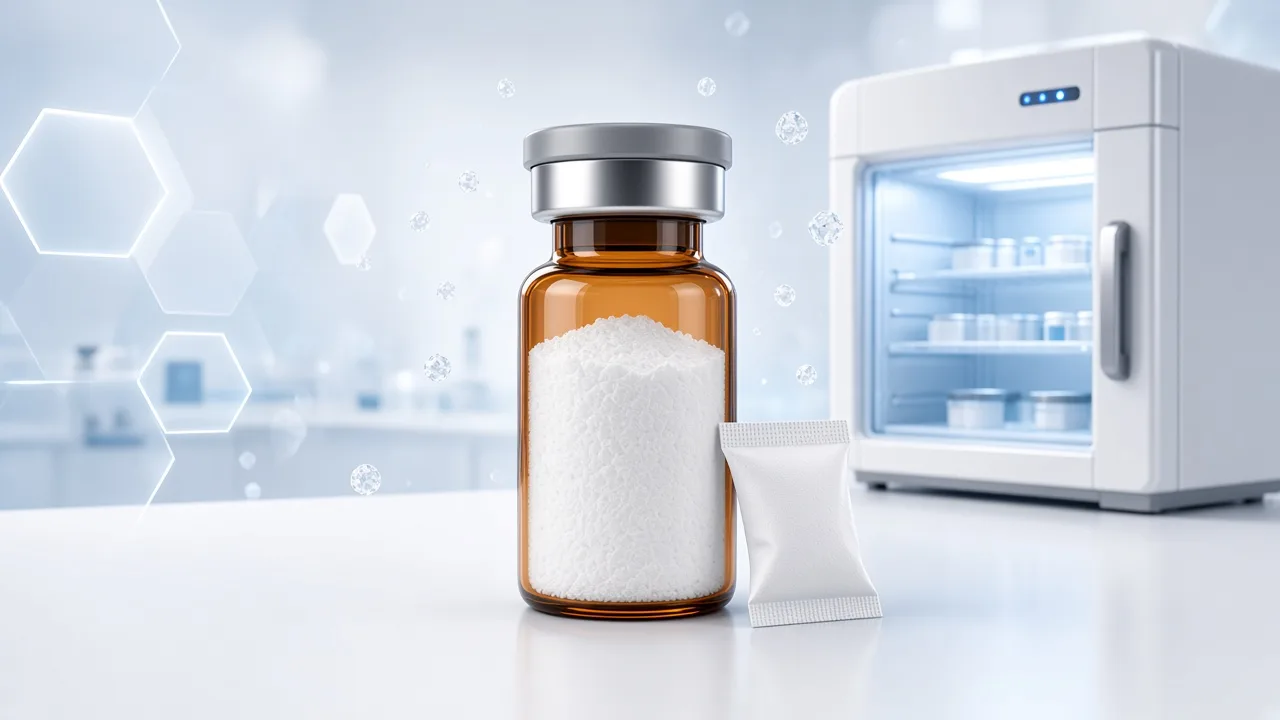
Research Peptide Storage Basics
Educational themes on lyophilized versus solution peptide stability from research literature. Concepts only, not personal laboratory SOPs or protocols.
Sep 5, 2026 · Elena Rostova
Peptides and Anti-Doping Literacy
Athlete literacy on peptide-related WADA rules and education resources. Always check current lists with your sport body. This is not evasion advice.
Sep 3, 2026 · Marcus Thorne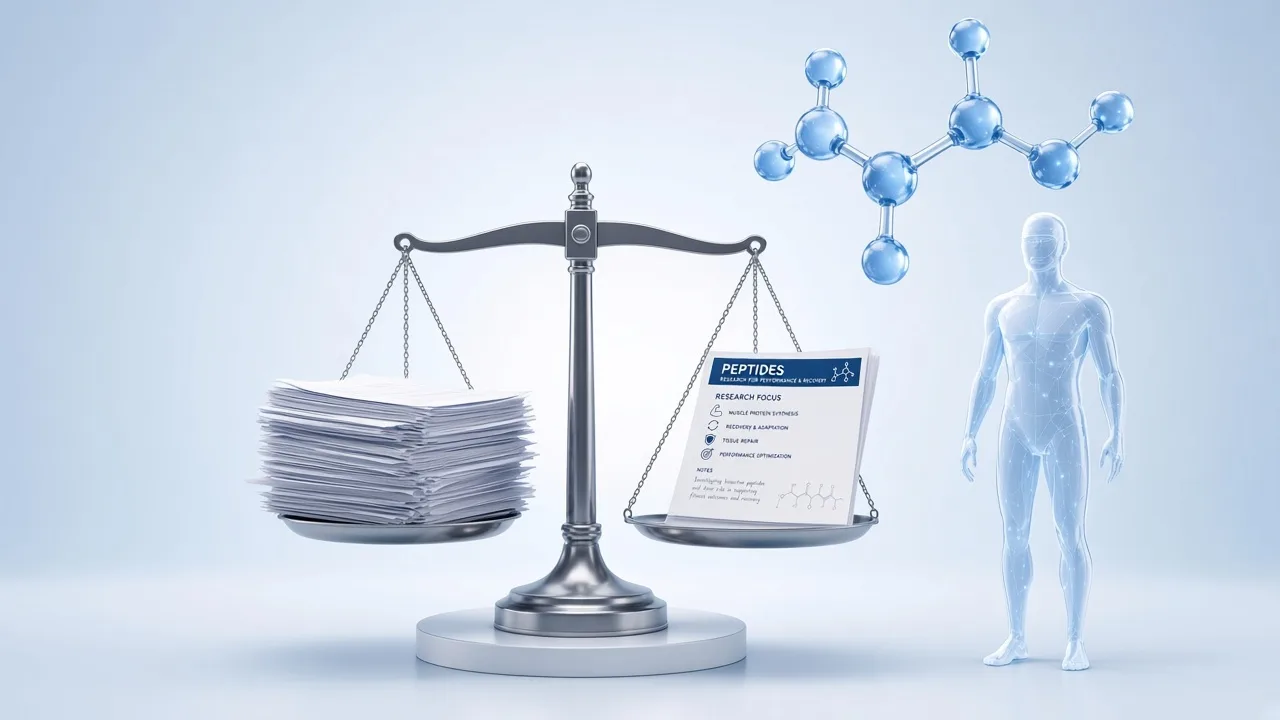
Peptide Body Composition Claims Literacy
Read peptide-related body composition claims with measurement literacy: BMI limits, DXA and BIA caveats, study design quality, and evidence classes.
Sep 1, 2026 · Elena Rostova
Peptides and Recovery Research
How recovery appears in exercise and peptide research: endpoints, study designs, and evidence limits explained for literacy, without use protocols.
Aug 30, 2026 · Marcus Thorne
Peptide Purity and Analytics Literacy
How to read peptide purity percentages, HPLC and mass-spec language, and quality claims in research materials without protocols or purchasing advice.
Aug 28, 2026 · Elena Rostova
In Vitro vs In Vivo Peptide Studies
Compare in vitro and in vivo peptide study designs: what each can support, what each cannot, and common evidence-ladder mistakes when reading papers.
Aug 26, 2026 · Marcus Thorne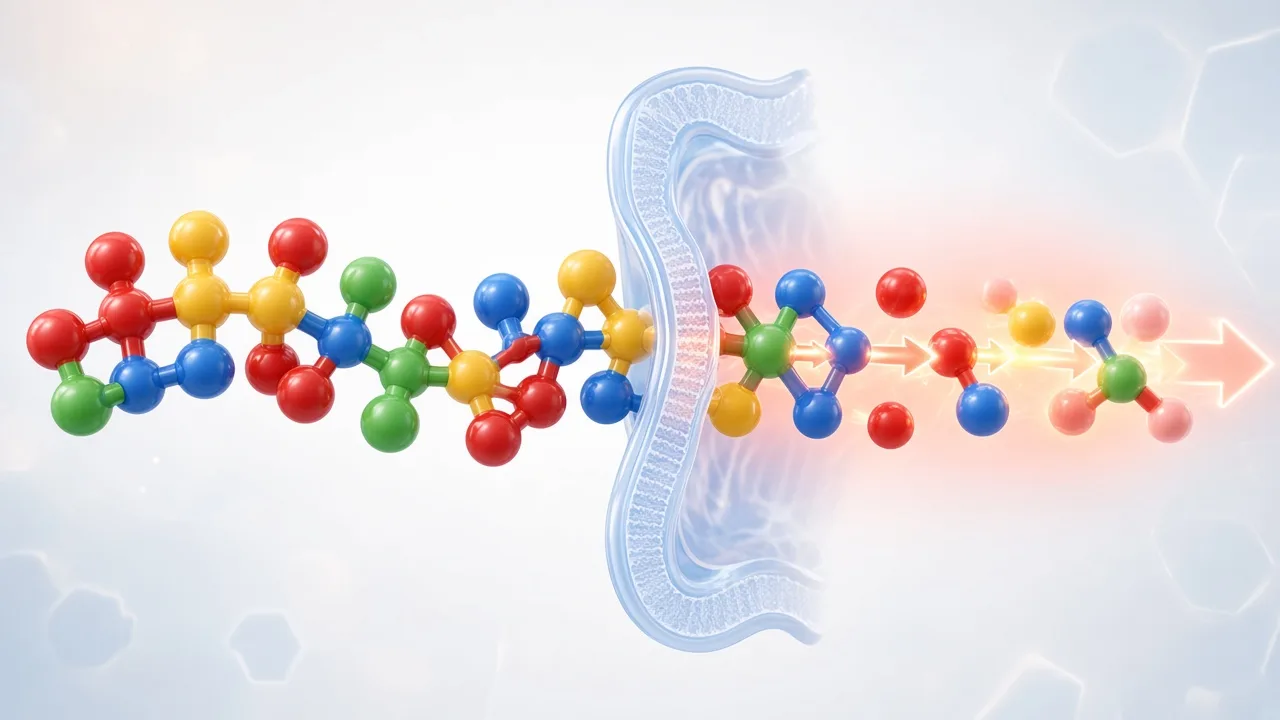
Peptide Bioavailability in Research
How bioavailability is defined in peptide research, common barriers discussed in papers, and pitfalls to avoid when reading exposure or absorption claims.
Aug 24, 2026 · Elena Rostova
How to Read Peptide Clinical Trials
Educational walkthrough of clinical trial phases, endpoints, registries, and common reading traps when reviewing peptide-related human study reports.
Aug 22, 2026 · Marcus Thorne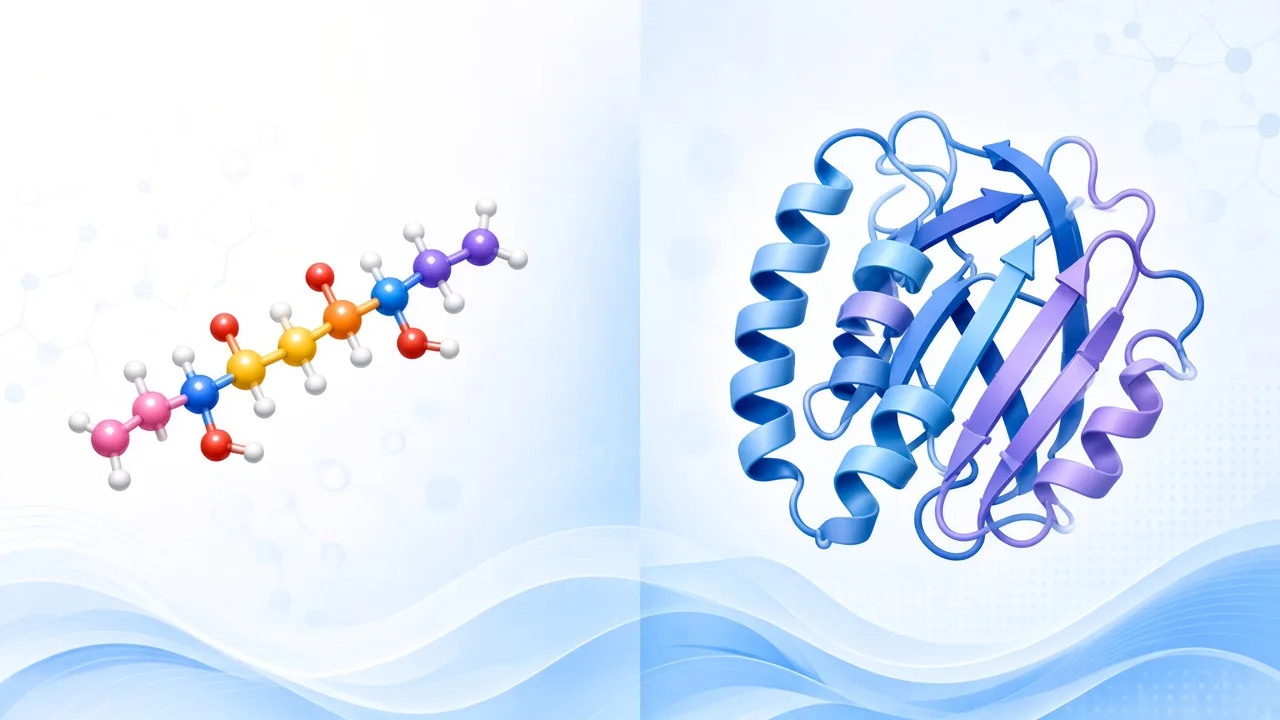
Oligopeptides vs Polypeptides Explained
How oligopeptide and polypeptide wording is used in IUPAC and research papers, and how to avoid over-reading length cutoffs in educational sources.
Aug 20, 2026 · Elena Rostova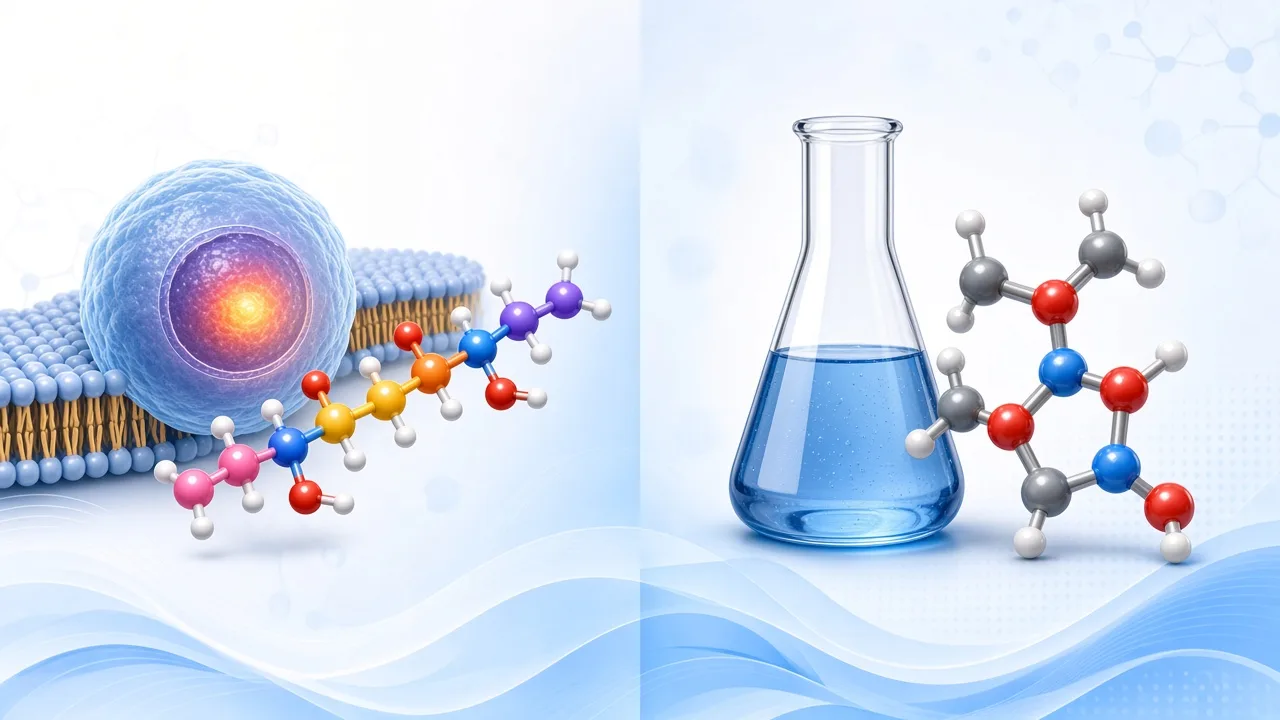
Endogenous vs Synthetic Peptides
How research papers distinguish endogenous peptides made in living systems from lab-made synthetic peptides, for literacy only, without medical advice.
Aug 18, 2026 · Marcus Thorne
BPC-157 vs TB-500 Research Compared
Compare how BPC-157 and TB-500 appear in research conversation: evidence types and uncertainty, not winners, rankings, or any personal-use advice.
Aug 16, 2026 · Elena Rostova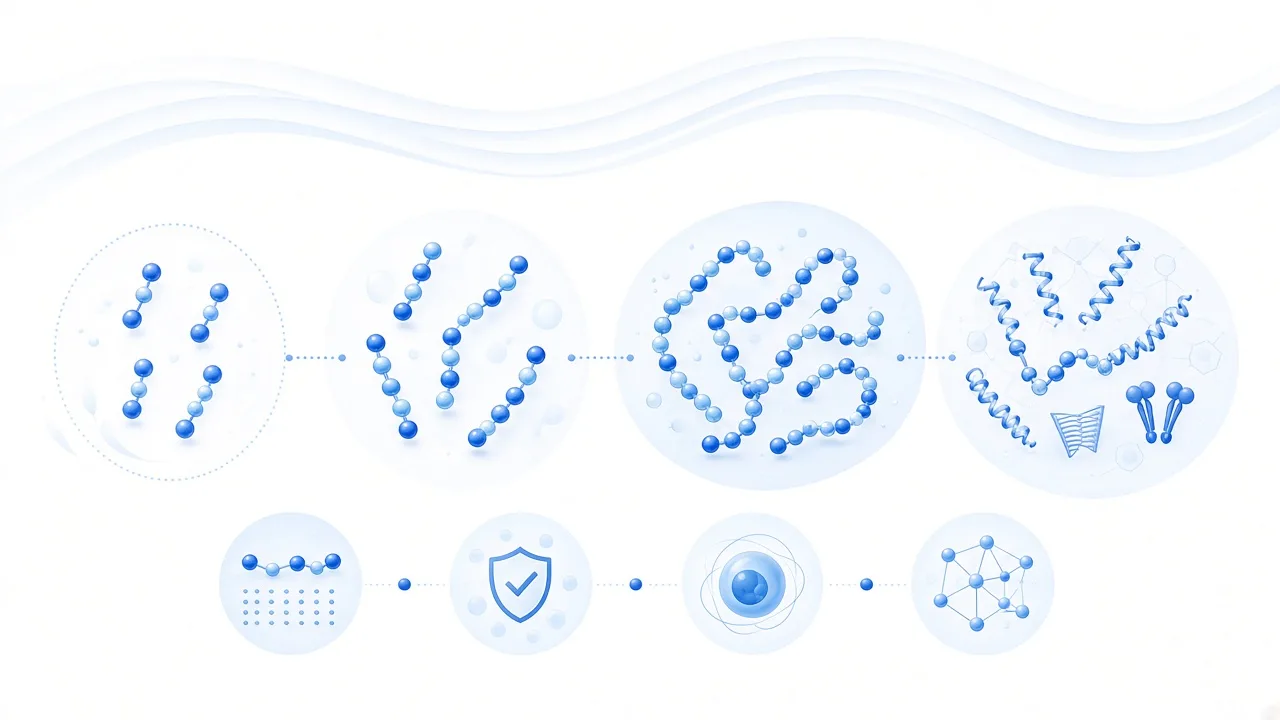
Types of Research Peptides Explained
Classify research peptides by length, origin, and function using how scientific literature groups amino-acid chains for study and careful comparison.
Aug 14, 2026 · Marcus Thorne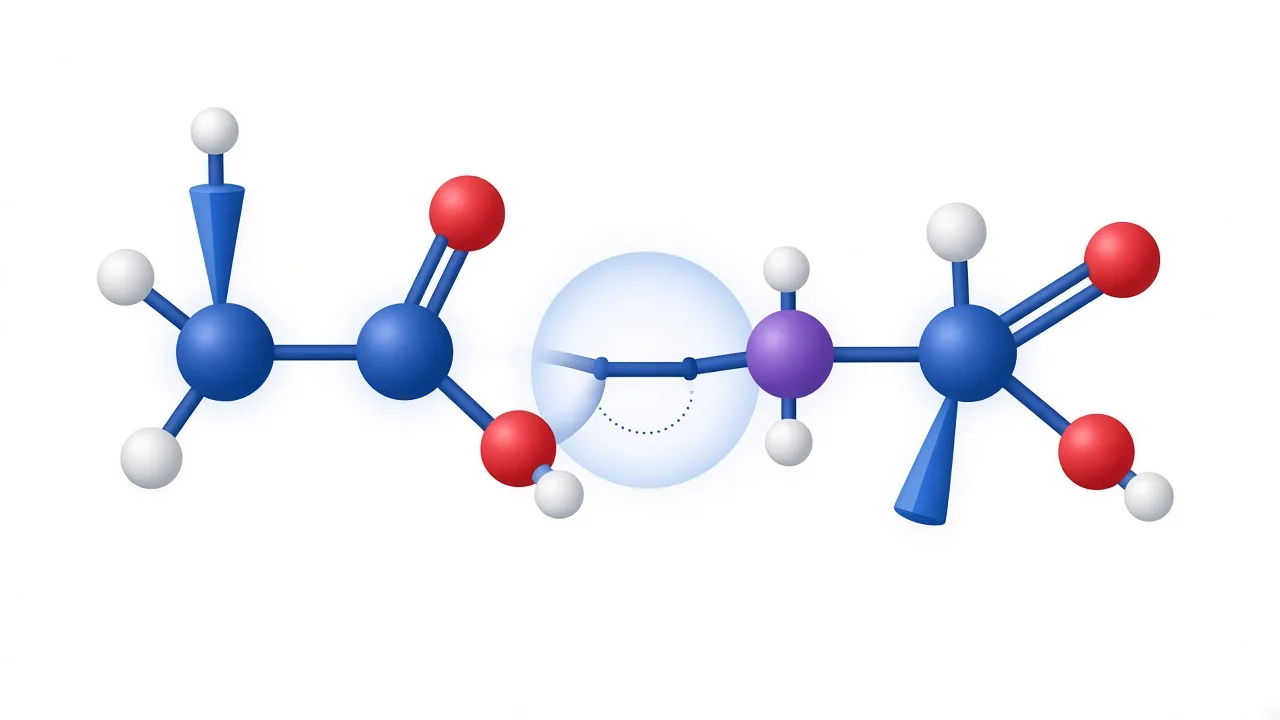
How Peptide Bonds Work in Biology
How amino acids form peptide bonds, why the amide bond is planar and stable, and how biology forms and breaks these links in research-relevant language.
Aug 12, 2026 · Elena Rostova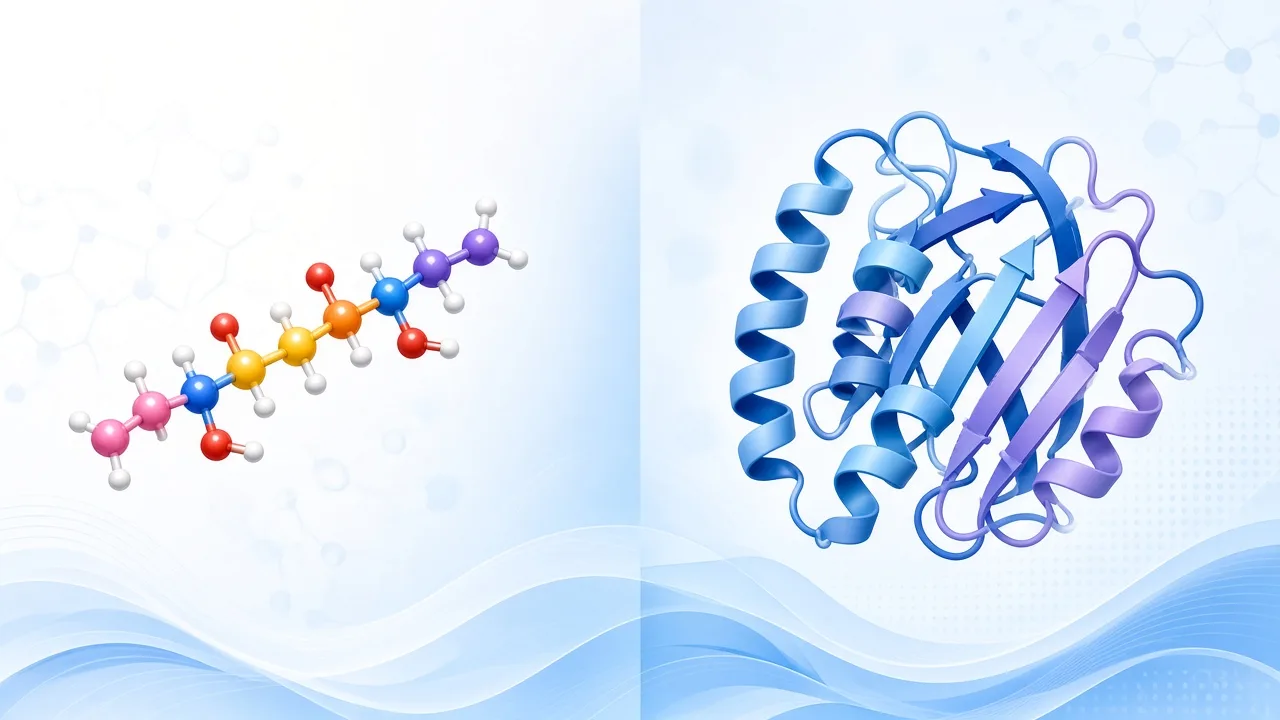
Peptides vs Proteins Explained
Educational comparison of peptides and proteins: length, folding, and biological roles as discussed in scientific literature, not medical advice.
Aug 10, 2026 · Marcus Thorne
Pharmaceutical Peptide Research Context
How discovery papers, investigational development, and approved peptide medicines differ, and how to read those stages without hype or false certainty.
Aug 8, 2026 · Elena Rostova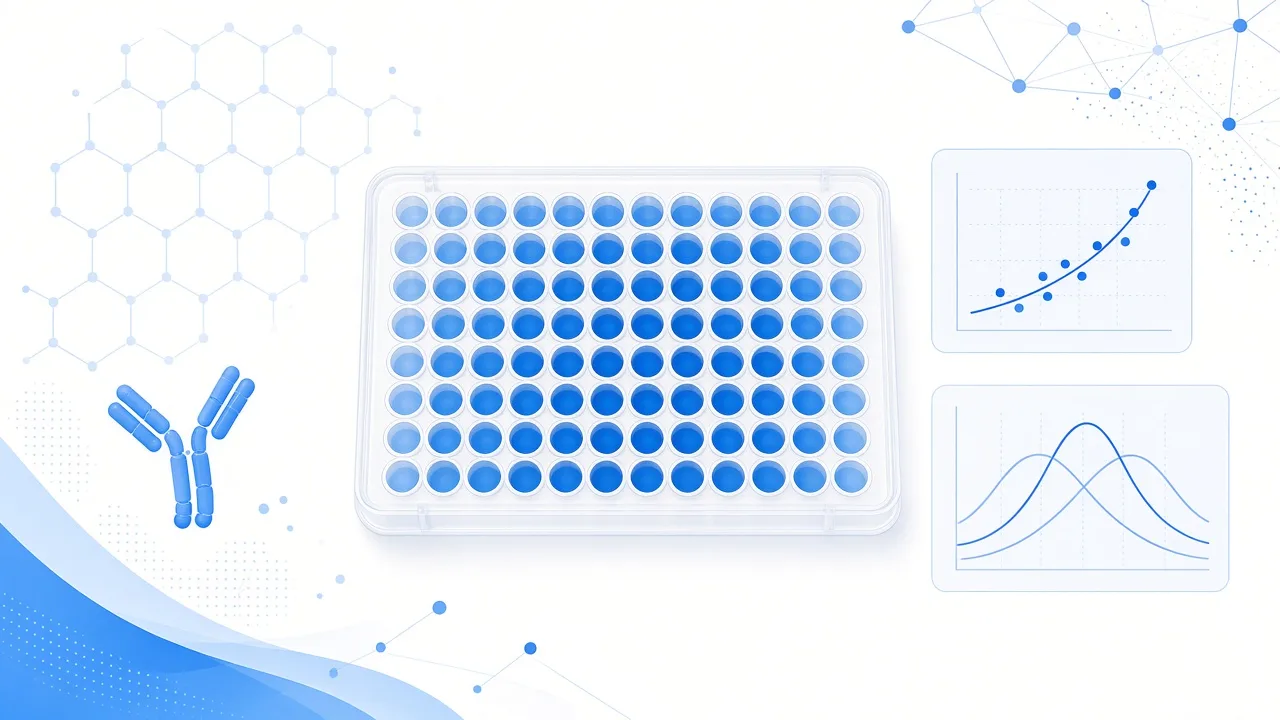
Assays in Peptide Research Literature
Plain-language guide to assays and measurements in peptide research papers, focused on literacy and interpretation rather than laboratory instruction.
Aug 6, 2026 · Marcus Thorne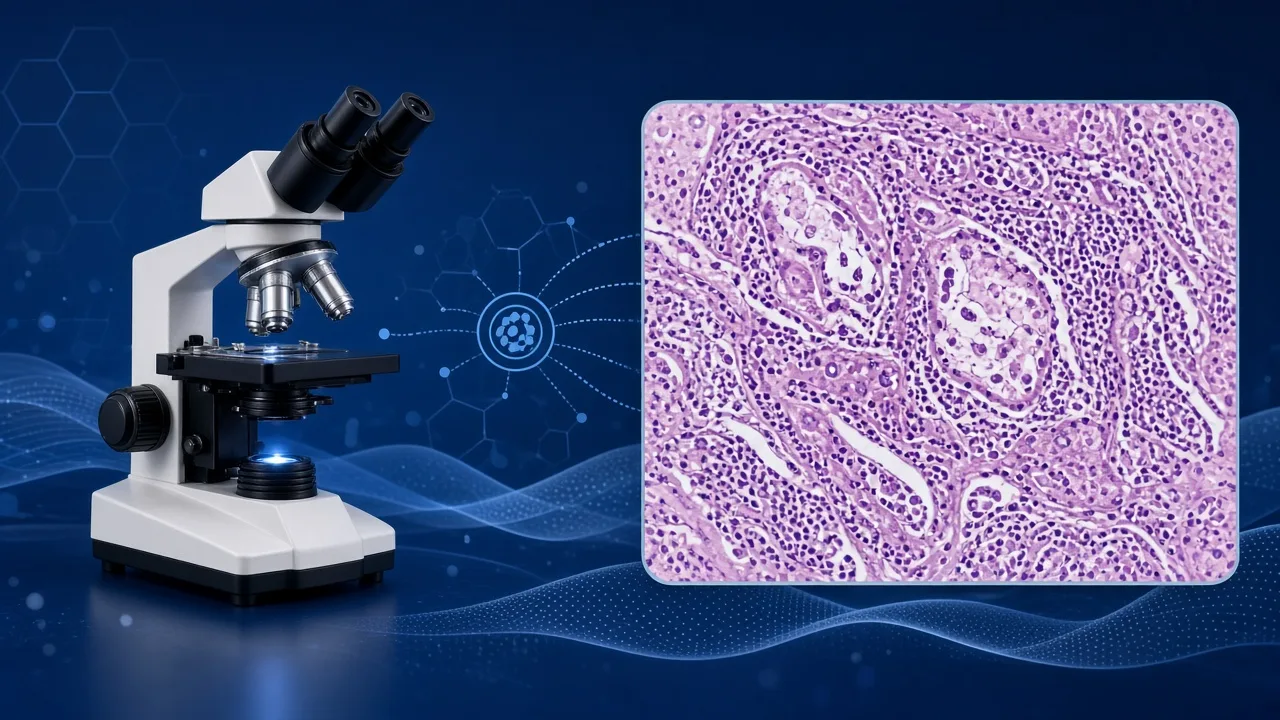
Lab Imaging in Peptide Research Papers
Why pathology photos and lab imaging appear in peptide papers, and how to read those figures carefully without treating them as laboratory instructions.
Aug 4, 2026 · Elena Rostova
Peptide Safety Education First
How to read peptide content responsibly: what this site is for, what it will not provide, and how research literacy differs from personal-use advice.
Aug 2, 2026 · Marcus Thorne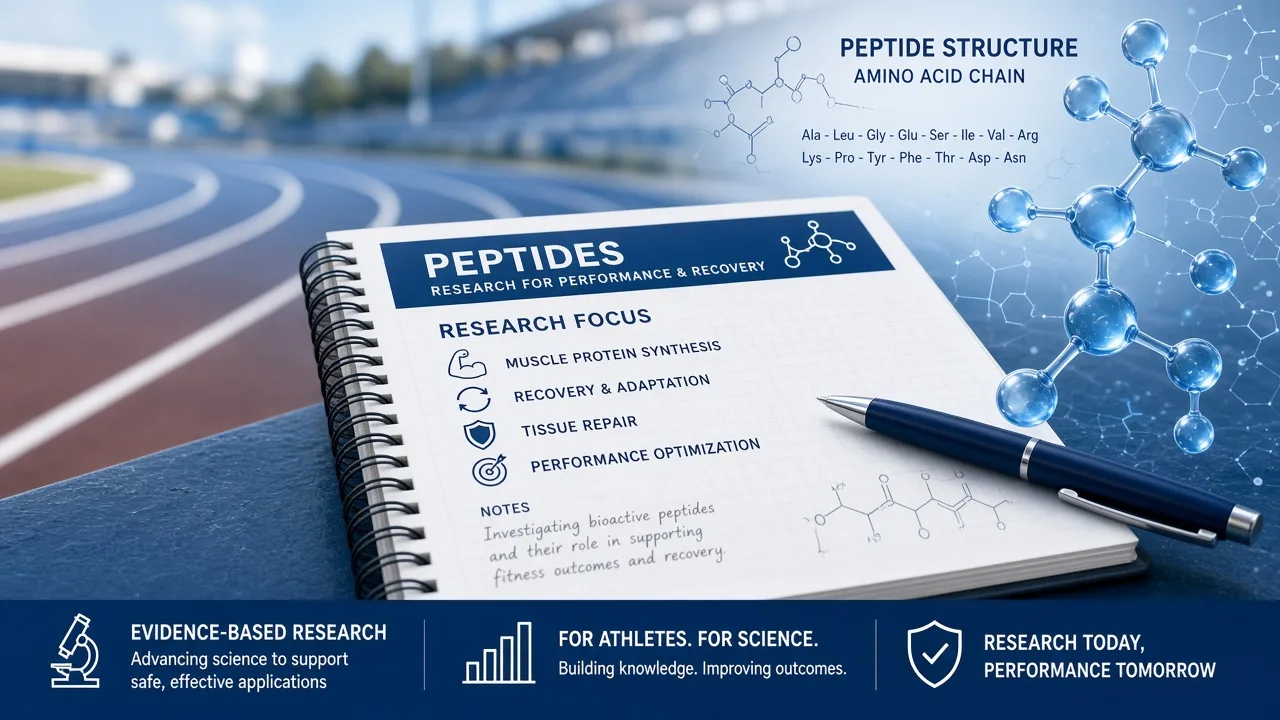
Peptides and Fitness Research Limits
How peptide science appears in wellness and recovery conversations, with focus on study limits, model systems, and sport-rule context for readers.
Jul 31, 2026 · Elena Rostova
Latest Peptide Trends Without Hype
News-literacy guide to peptide trend cycles: what rises in public talk, how research attention moves, and how to separate signal from marketing noise.
Jul 29, 2026 · Marcus Thorne
BPC-157 Research: Evidence Overview
Educational review of BPC-157 research: what it is, preclinical themes in literature, evidence limits, and why it is not presented as an approved medicine.
Jul 27, 2026 · Elena Rostova
Peptide Receptor Binding Kinetics
Educational guide to affinity, occupancy, and binding kinetics for peptides, and how kinetics differ from efficacy claims in research papers.
Jul 25, 2026 · Marcus Thorne
Peptide Synthesis Methodologies
Educational overview of solid-phase and liquid-phase peptide synthesis concepts in published research, without protocols or laboratory instructions.
Jul 23, 2026 · Elena Rostova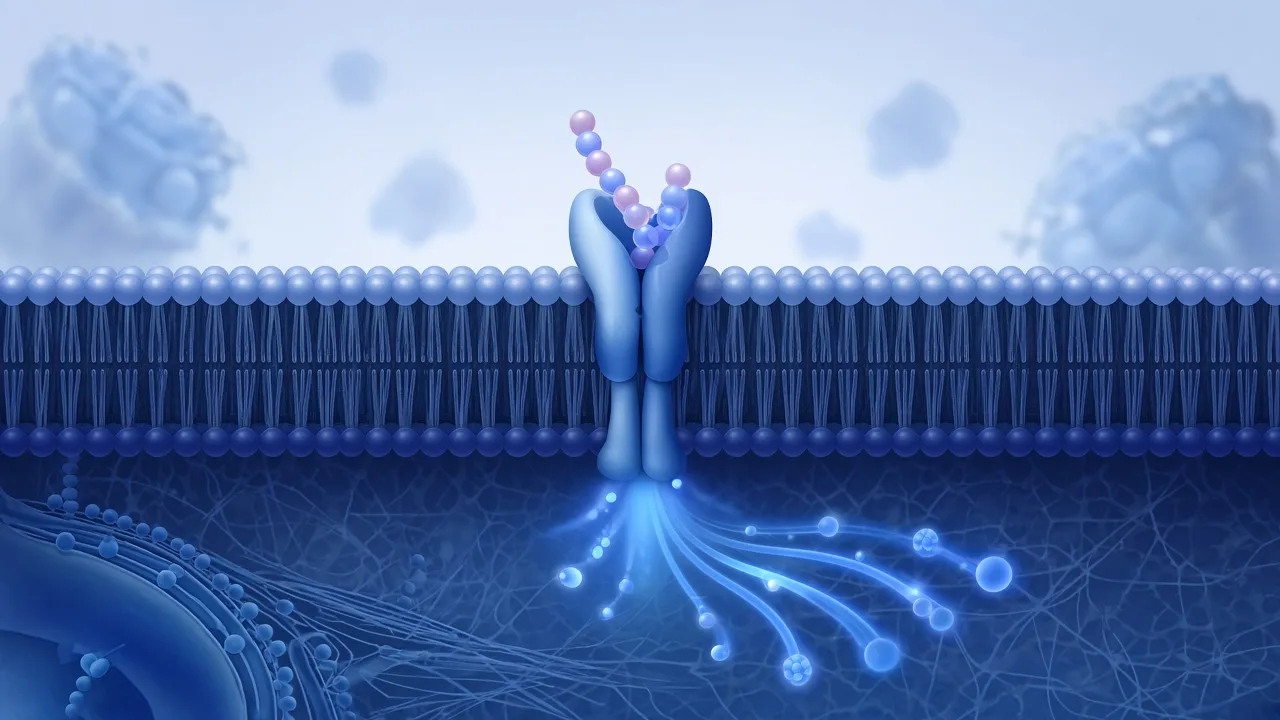
Peptides in Cellular Signaling
Educational explainer of how peptides act as messengers in cellular signaling, from receptor recognition to pathway language used in research papers.
Jul 21, 2026 · Marcus Thorne
Peptide Half-Life: Stability Explained
Educational guide to peptide half-life: stability, protease degradation, and longevity language used across research systems and published papers.
Jul 19, 2026 · Elena Rostova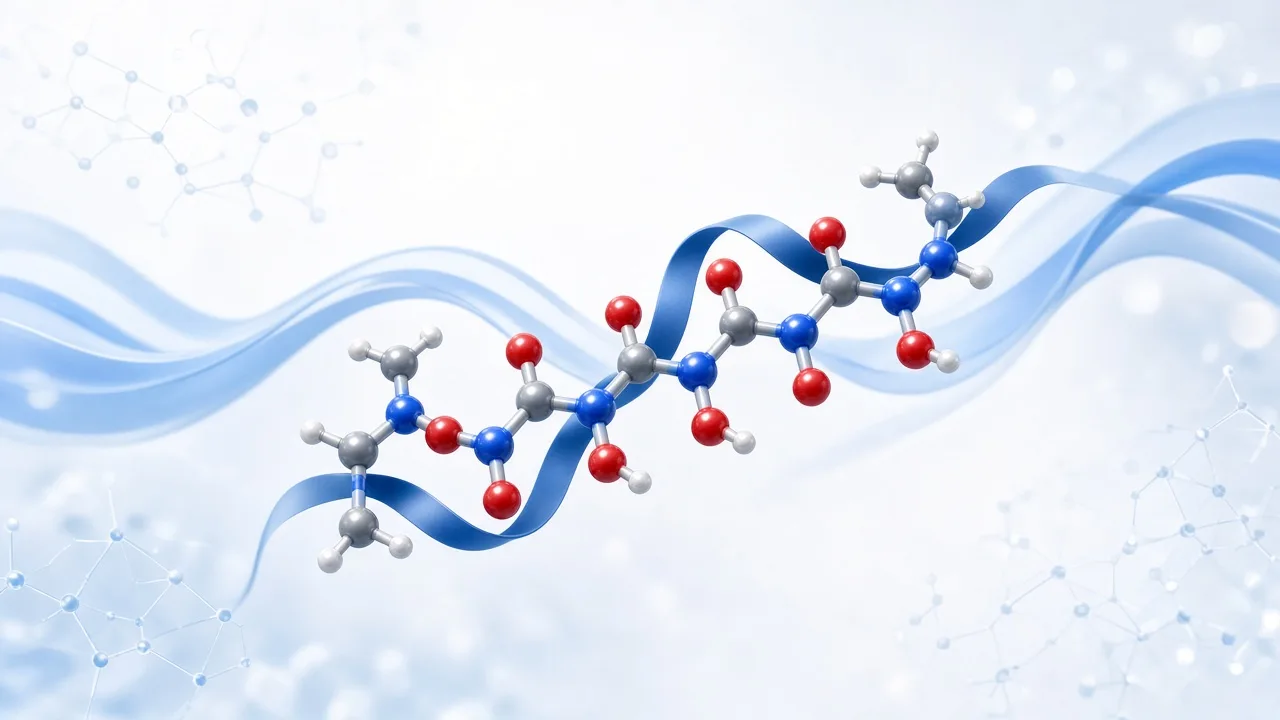
What Are Peptides? Definition and Meaning Explained
What are peptides? Short chains of amino acids linked by peptide bonds. Get the definition, meaning, peptides vs proteins, and how researchers classify them.
Jul 17, 2026 · Marcus Thorne