
Explore the category
Research & Science
We explore how peptides are studied, synthesized, and analyzed in research settings, breaking down complex science into easy-to-understand educational content.

Peptide Research and Science Guide
Educational guide to peptide research literature: study designs, preclinical versus clinical evidence, half-life concepts, and how to spot overstated claims.
Read the full guideLatest articles
37 articles
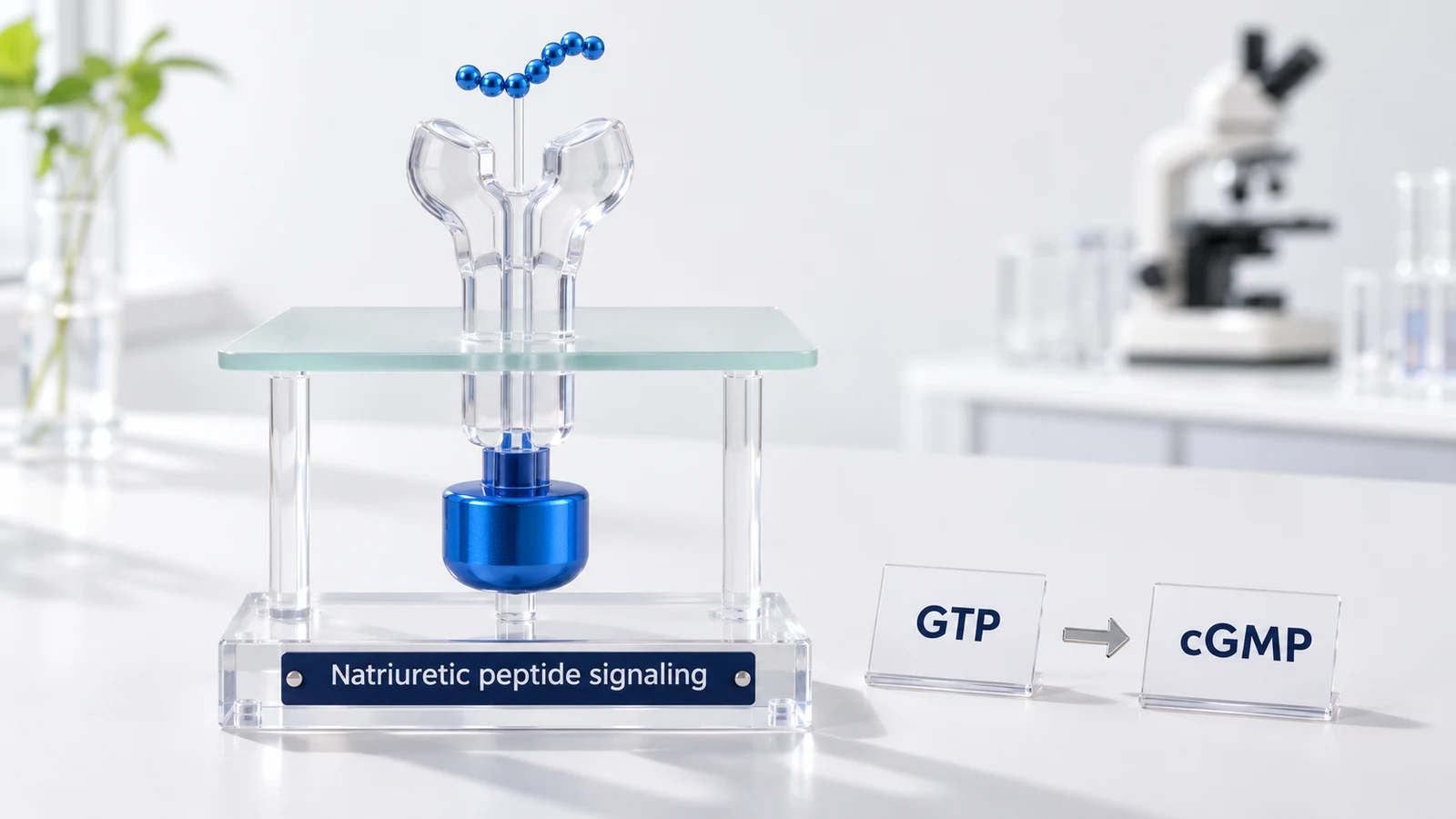
cGMP and Natriuretic Peptide Receptors Explained
Understand ANP, BNP, and CNP receptor signaling, how cGMP differs from cAMP, and why receptor identity, sensor location, and PDE conditions matter when reading peptide research.
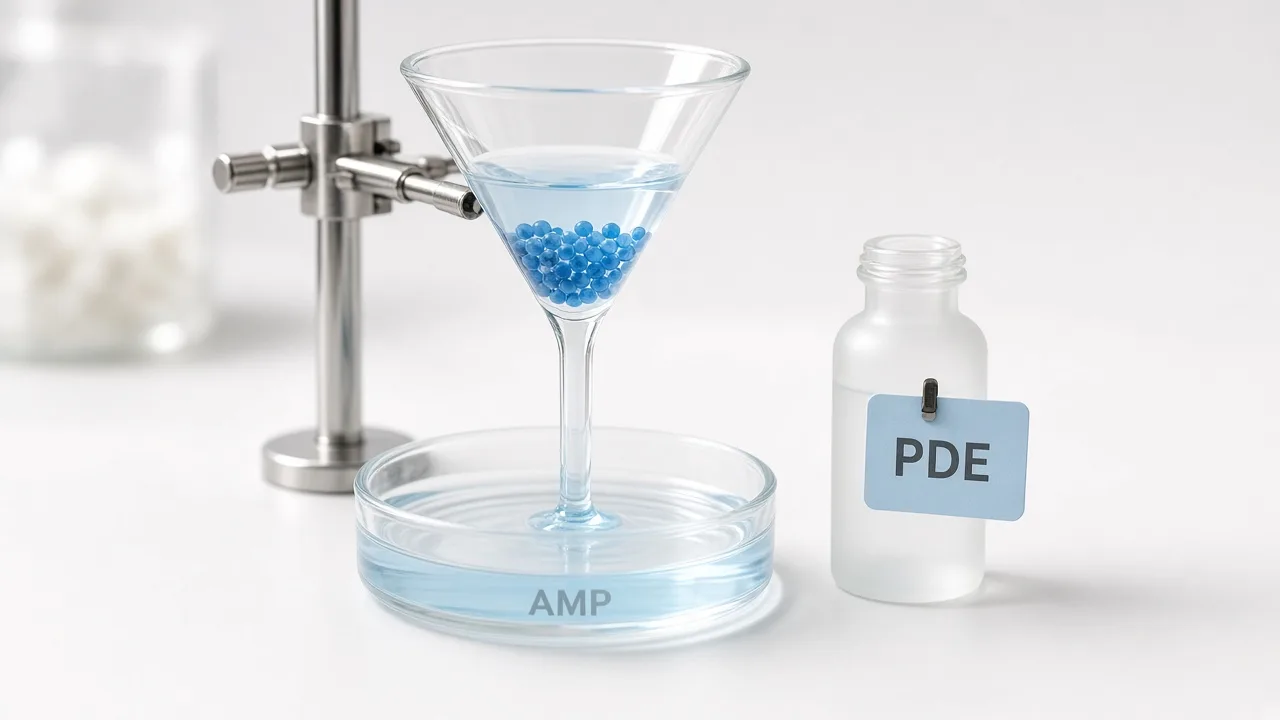
Phosphodiesterases and cAMP Signaling in Peptide Research Explained
Learn how phosphodiesterases (PDEs) shape peptide receptor cAMP results: family diversity, local messenger sinks, what PDE inhibitors change in an assay, and how to interpret compartment claims without overclaiming human benefit.

PKA and EPAC Signaling in Peptide Research Explained
Learn how cAMP can act through PKA and EPAC in peptide receptor research: what each effector measures, how selective tools help, why localization matters, and how to interpret pathway claims without overclaiming human benefit.
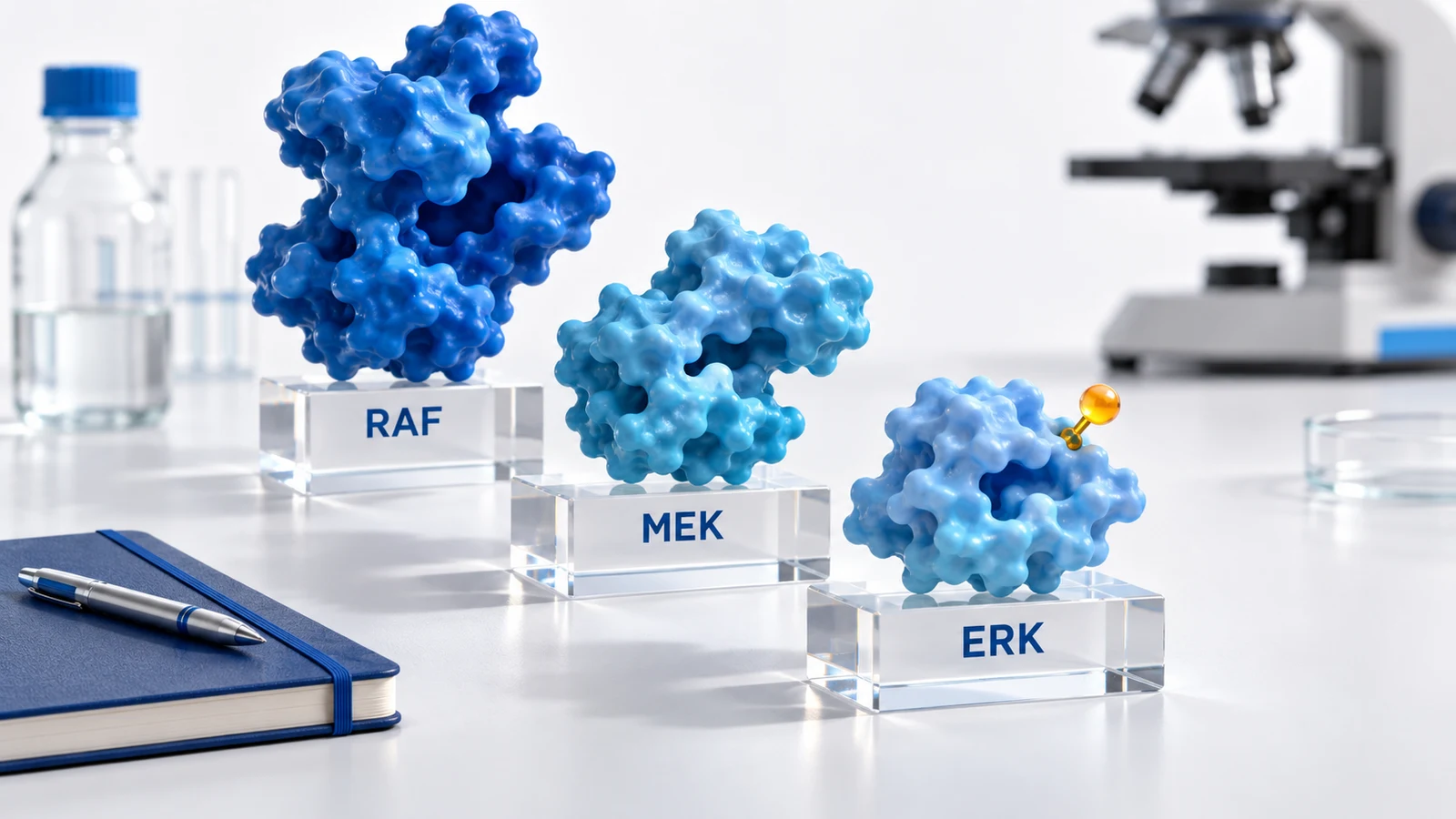
ERK and MAPK Signaling in Peptide Research Explained
Understand ERK1/2 phosphorylation, total ERK, time courses, and pathway evidence, with GLP-1 research examples and a practical guide to interpreting peptide signaling assays.

Endosomal Signaling in Peptide Research Explained
Learn what endosomal GPCR signaling means in peptide research: when internalization is not an off switch, what location versus activity evidence can show, how PTH and GLP-1 examples teach the distinction, and how to read sustained intracellular claims without overclaiming human benefit.

Beta-Arrestin Signaling in Peptide Research Explained
Learn what beta-arrestin peptide receptor assays measure: recruitment, internalization links, signaling scaffolds, how those readouts differ from G-protein assays, and how to interpret arrestin results without overclaiming human benefit.