
Explore the category
Peptide Basics
A comprehensive, evidence-based introduction to peptides. Explore foundational concepts, molecular structures, and the biochemical mechanisms that make peptides crucial for modern research.

Peptide Basics: Amino Acid Chains Guide
Educational guide to peptide basics: what peptides are, how they differ from proteins, how researchers classify them, and how to read the science without hype.
Read the full guideLatest articles
10 articles
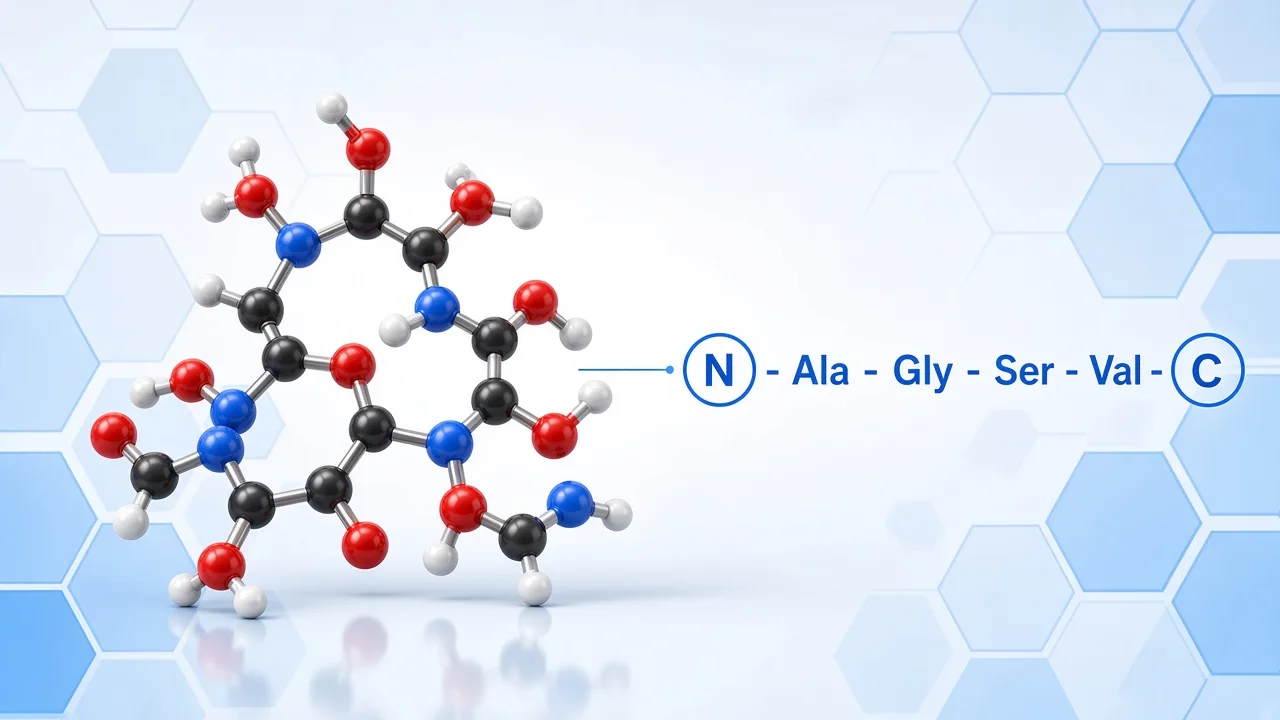
Peptide Sequence Notation: How Papers Write Chains
Full educational guide to peptide sequence notation: N-to-C direction, one-letter and three-letter amino-acid codes, hyphens and fragment marks, modification shorthand, and how to read strings without overclaiming purity or biology.
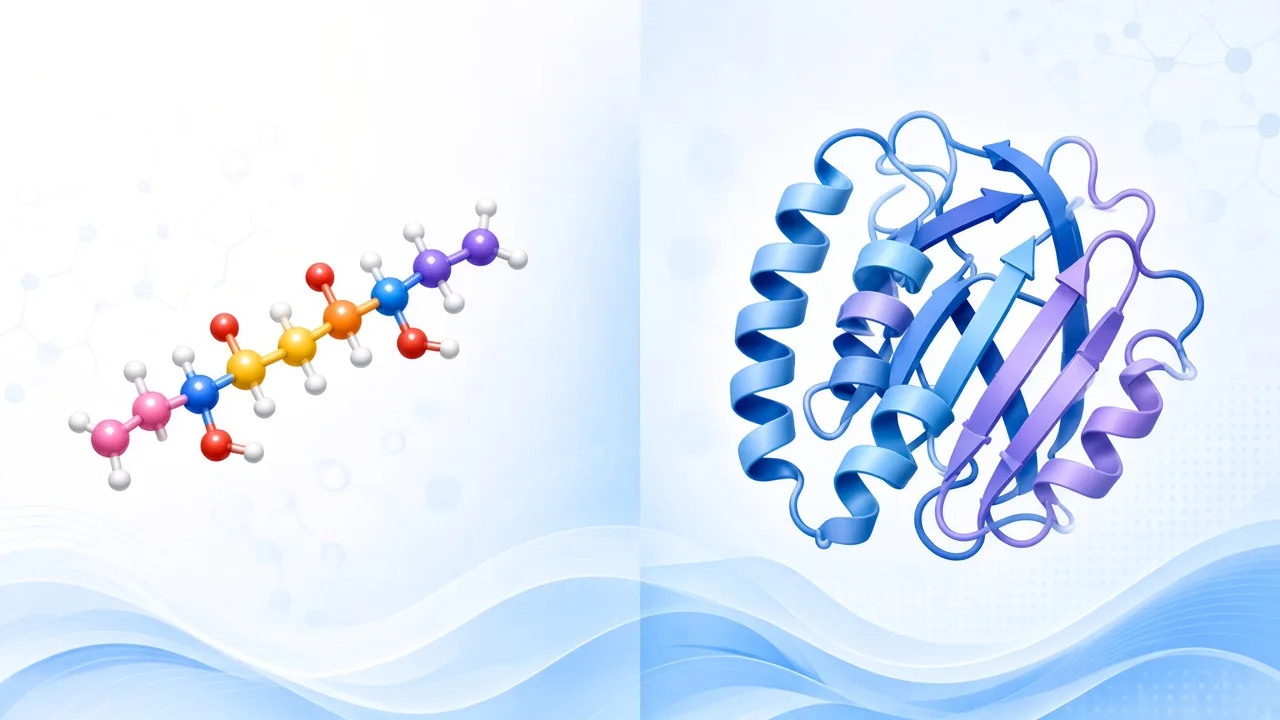
Oligopeptides vs Polypeptides Explained
How oligopeptide and polypeptide wording is used in IUPAC and research papers, and how to avoid over-reading length cutoffs in educational sources.
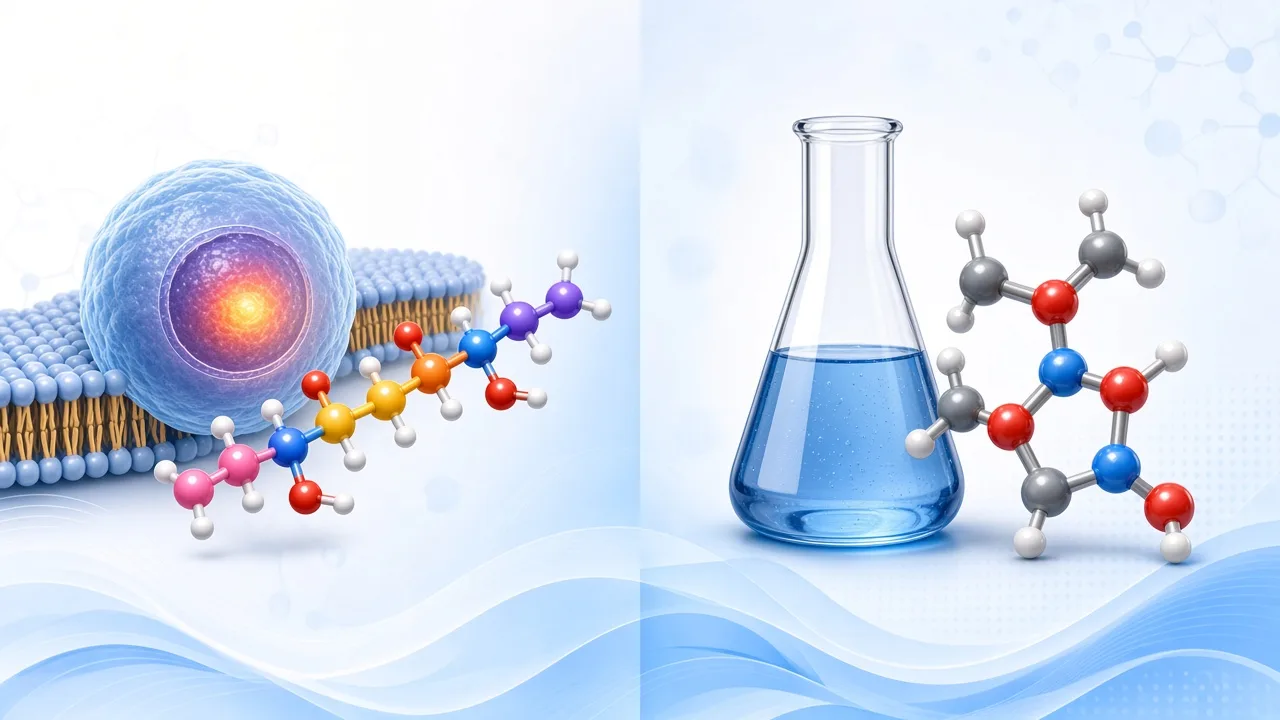
Endogenous vs Synthetic Peptides
How research papers distinguish endogenous peptides made in living systems from lab-made synthetic peptides, for literacy only, without medical advice.
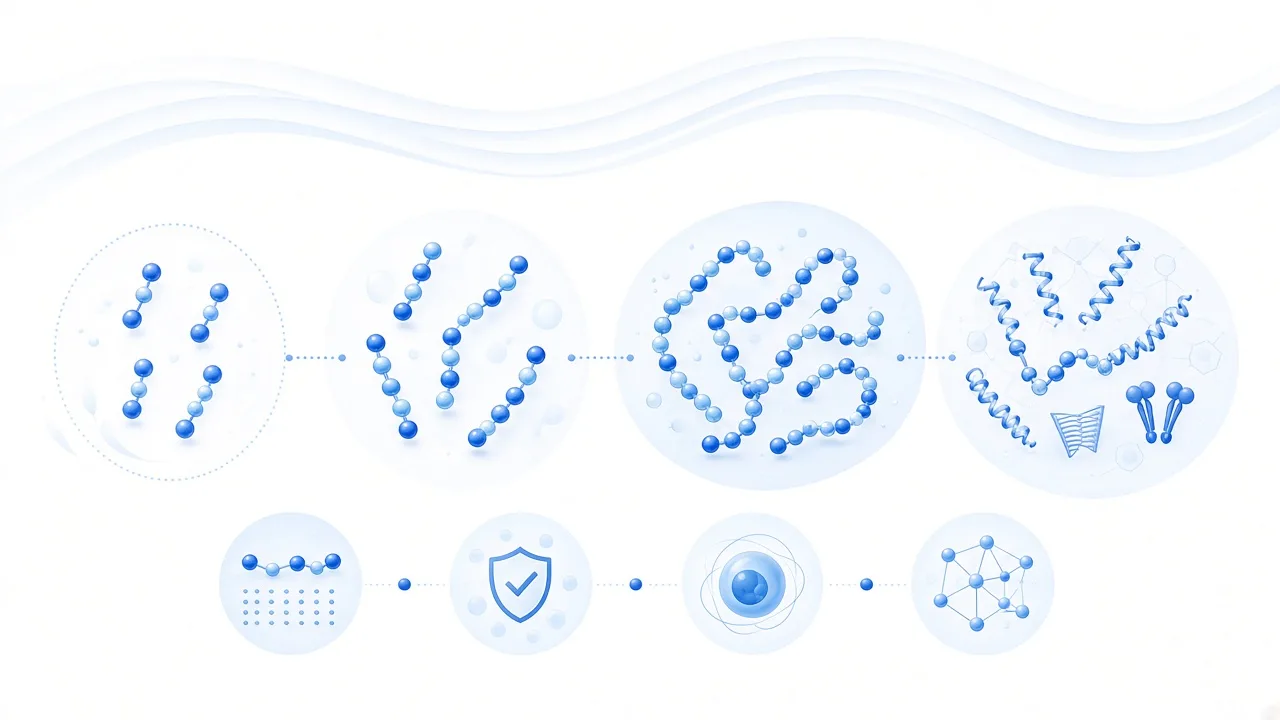
Types of Research Peptides Explained
Classify research peptides by length, origin, and function using how scientific literature groups amino-acid chains for study and careful comparison.
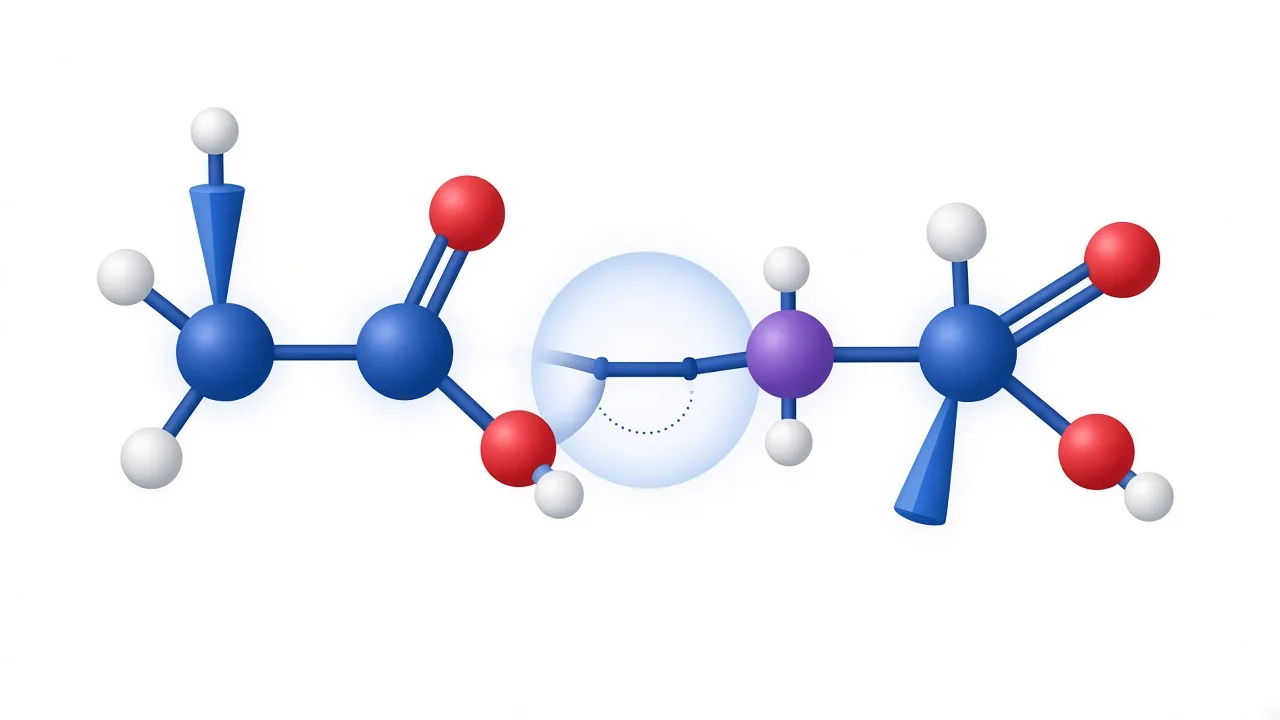
How Peptide Bonds Work in Biology
How amino acids form peptide bonds, why the amide bond is planar and stable, and how biology forms and breaks these links in research-relevant language.
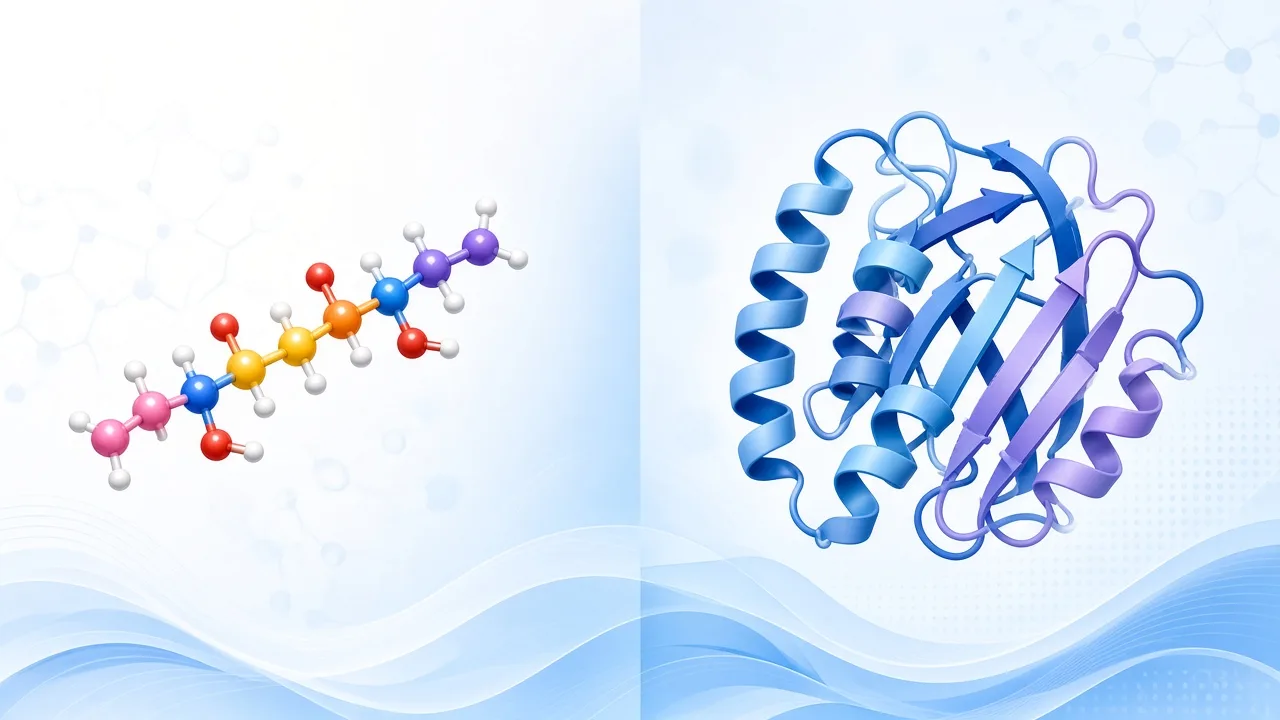
Peptides vs Proteins Explained
Educational comparison of peptides and proteins: length, folding, and biological roles as discussed in scientific literature, not medical advice.