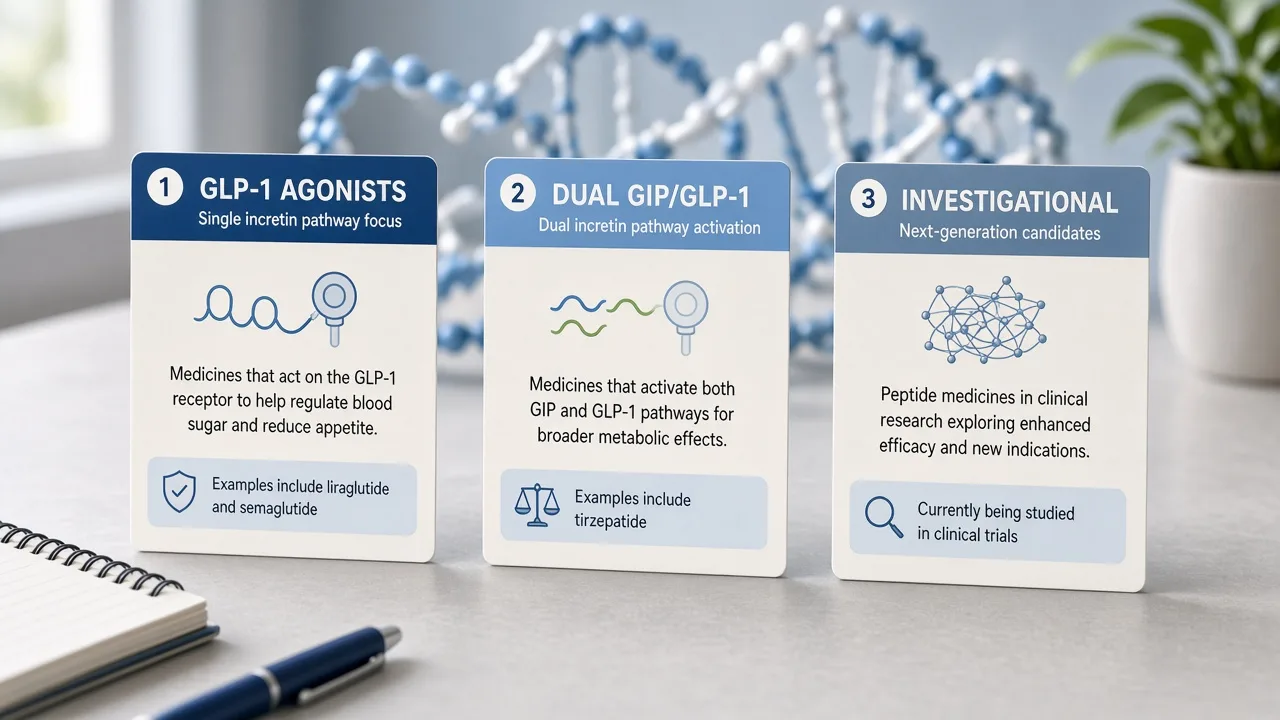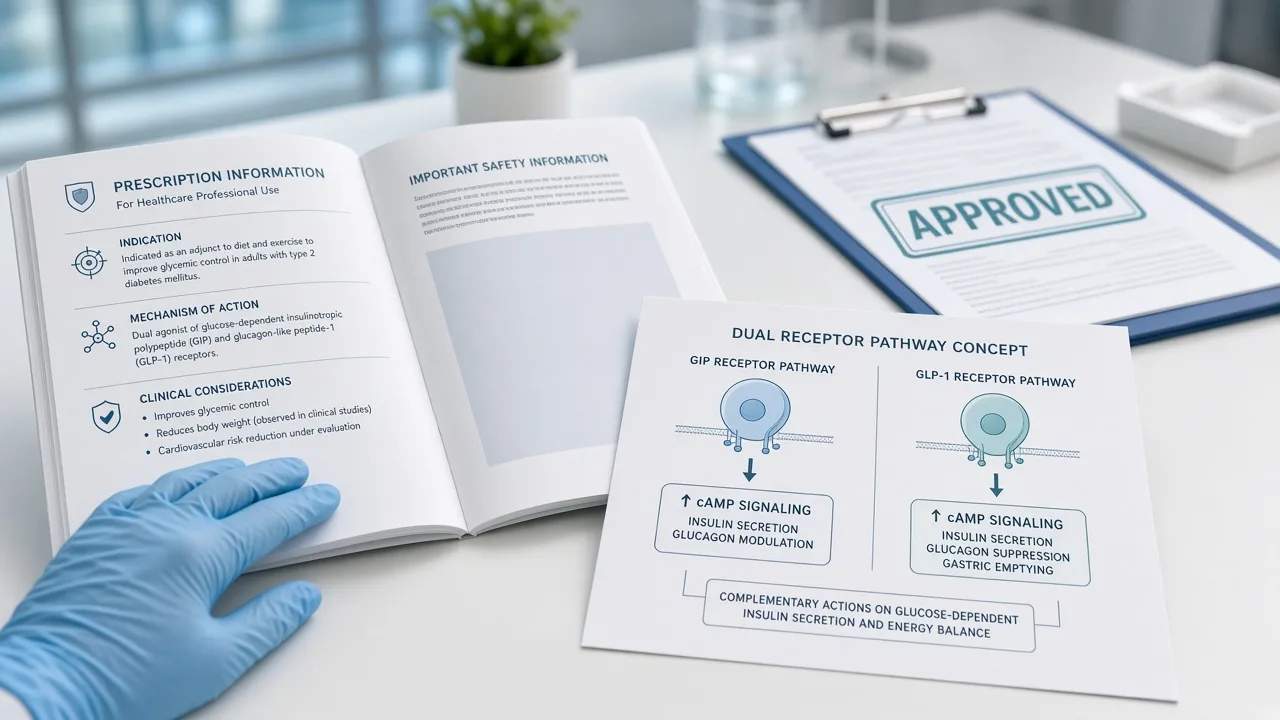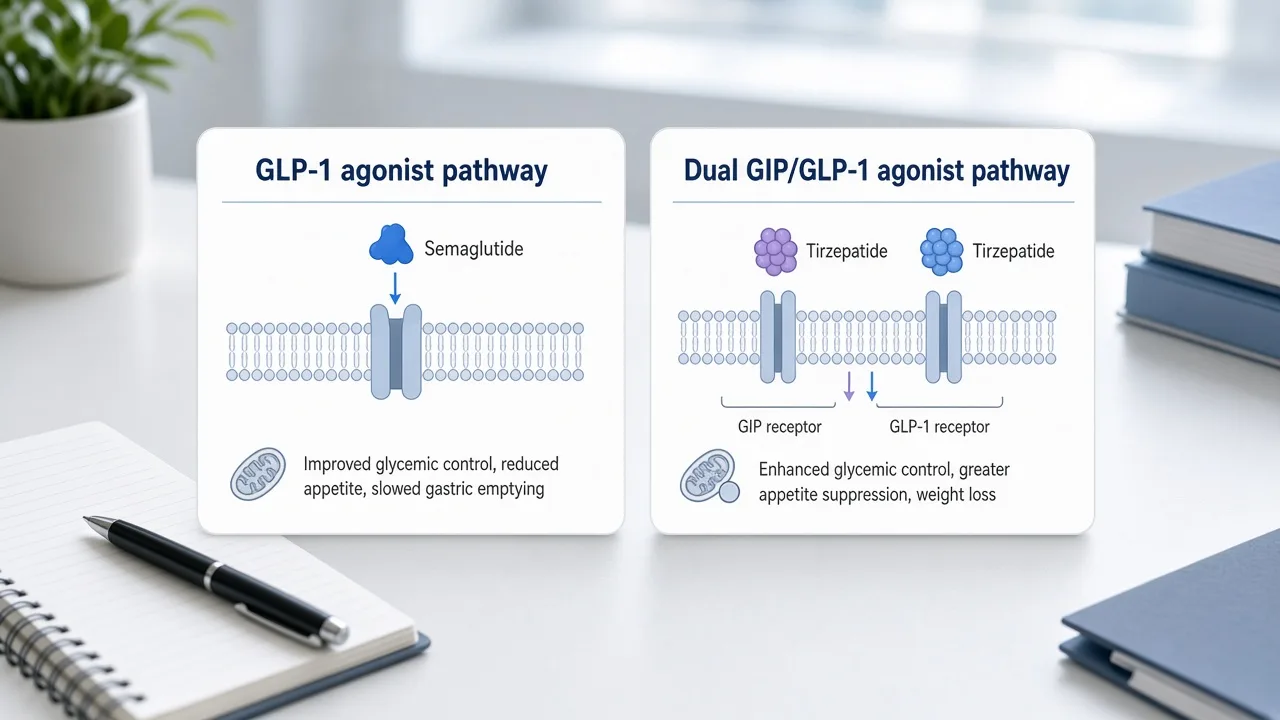


Semaglutide is a glucagon-like peptide-1 (GLP-1) receptor agonist and the active ingredient in multiple FDA-approved finished drugs. Public talk often collapses those branded products into one nickname, then borrows trial percentages as if they were personal promises. This article rebuilds the status map for careful readers: mechanism language, brand-specific labels, how indications evolve, what approval does and does not mean, and how marketplace lookalikes break the map. It is research and regulatory literacy only. It is not medical advice and does not provide dosing, administration, sourcing, or treatment choices.
Why semaglutide status literacy matters
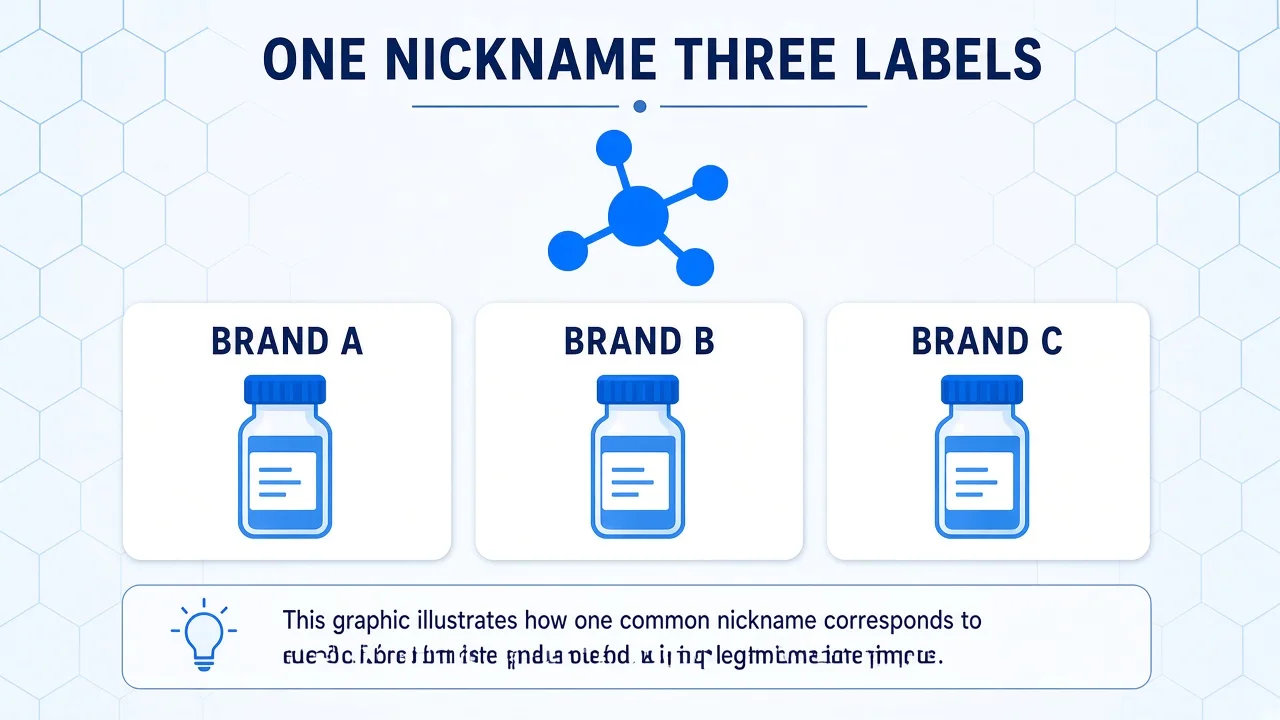
Semaglutide sits at the center of diabetes care talk, weight-management headlines, cardiovascular outcome stories, and a noisy consumer marketplace. That breadth is why a single word online can mean three different finished drugs, an older label snapshot, a trial graphic, or an unapproved lookalike.
Status literacy answers a different question than “does it work for me?” It asks which product is named, which labeled use is claimed, which evidence class is being borrowed, and whether the source is an official label, a peer-reviewed paper, a press release, or a sales page.
If you need the wider incretin map first, start with GLP-1 peptide medicines explained. This page stays on semaglutide.
Keep three columns open while you read
Column one is chemistry identity: the active ingredient named semaglutide. Column two is finished-drug identity: brand, form, and current prescribing information. Column three is claim identity: glycemic control, weight management, cardiovascular risk reduction, kidney outcomes, liver-disease language, or something else entirely.
Most online confusion happens when those columns are merged into one viral synonym.
What semaglutide is in mechanism language

Sponsor and label language describe semaglutide as a GLP-1 receptor agonist. In educational terms, that means the medicine is designed to activate the GLP-1 receptor pathway. Mechanism language helps readers place the molecule in a family. It does not prove that every vial, tablet, or powder using the same nickname is an approved finished drug.
Mechanism talk should stay attached to the product label when the conversation is about approved medicine use. A mechanism sentence is not a substitute for indication language, population criteria, limitations of use, or warnings.
Not a dual GIP/GLP-1 agonist
Semaglutide is not labeled as a dual GIP and GLP-1 receptor agonist. That dual-agonist description belongs to molecules such as tirzepatide under their own brand labels. Mixing those mechanism families is a common headline error. For the dual-agonist status map, see tirzepatide research status.
Research context without turning papers into protocols
Semaglutide’s public story includes clinical development programs, outcome trials, and later label revisions. Those layers matter for literacy. They still do not authorize this site to convert trial averages into personal expectations or home protocols.
Brand status readers should keep separate
Ozempic, Wegovy, and Rybelsus are the brand names most readers meet first. They are useful landmarks, but they are not one interchangeable consumer object. Each brand’s prescribing information defines indication language, limitations of use, contraindications, and warnings.
Presentations can also differ by form. Injectable and oral finished-drug presentations are labeled as specific products. When a post says only “semaglutide,” ask which brand and which form before accepting the claim.
Ozempic literacy without collapsing every claim into one brand
Current Ozempic injection labeling describes semaglutide as a GLP-1 receptor agonist used, with diet and exercise, to improve glycemic control in adults with type 2 diabetes. Label summaries also include risk-reduction language for major adverse cardiovascular events in adults with type 2 diabetes and established cardiovascular disease, and kidney-related outcome language in adults with type 2 diabetes and chronic kidney disease.
Those indication themes are label literacy points. They are not a checklist for self-selection, and they are not proof that every social claim using the Ozempic nickname matches the current label.
Wegovy literacy as a separate brand column
Wegovy labeling uses the same active ingredient name, semaglutide, under a different brand framework. Current label themes include weight-reduction and long-term weight-maintenance language for adults and certain adolescents with obesity, and for adults with overweight plus at least one weight-related comorbid condition, always in the labeled diet-and-activity framing.
Wegovy labeling also includes cardiovascular risk-reduction language in adults with established cardiovascular disease and either obesity or overweight, plus accelerated-approval language for noncirrhotic metabolic dysfunction-associated steatohepatitis (MASH) with moderate to advanced fibrosis in adults. Accelerated approval is a special regulatory pathway: continued approval can depend on confirmatory evidence.
Rybelsus and oral presentation literacy
Rybelsus is the best-known oral semaglutide brand in public conversation. Oral finished-drug presentations are not casual “pill versions” of any injectable claim someone saw online. They are separately developed and labeled products.
Current oral-label themes include glycemic-control language for adults with type 2 diabetes and cardiovascular risk-reduction language in adults with type 2 diabetes at high risk for major adverse cardiovascular events. Form literacy continues in oral vs injectable semaglutide.
Same molecule, different indication twin pattern
The Ozempic-versus-Wegovy pattern is the clearest classroom example of same active ingredient, different brand indication framing. That twin pattern deserves its own comparison page: Ozempic vs Wegovy.
Labels change, so date your sources
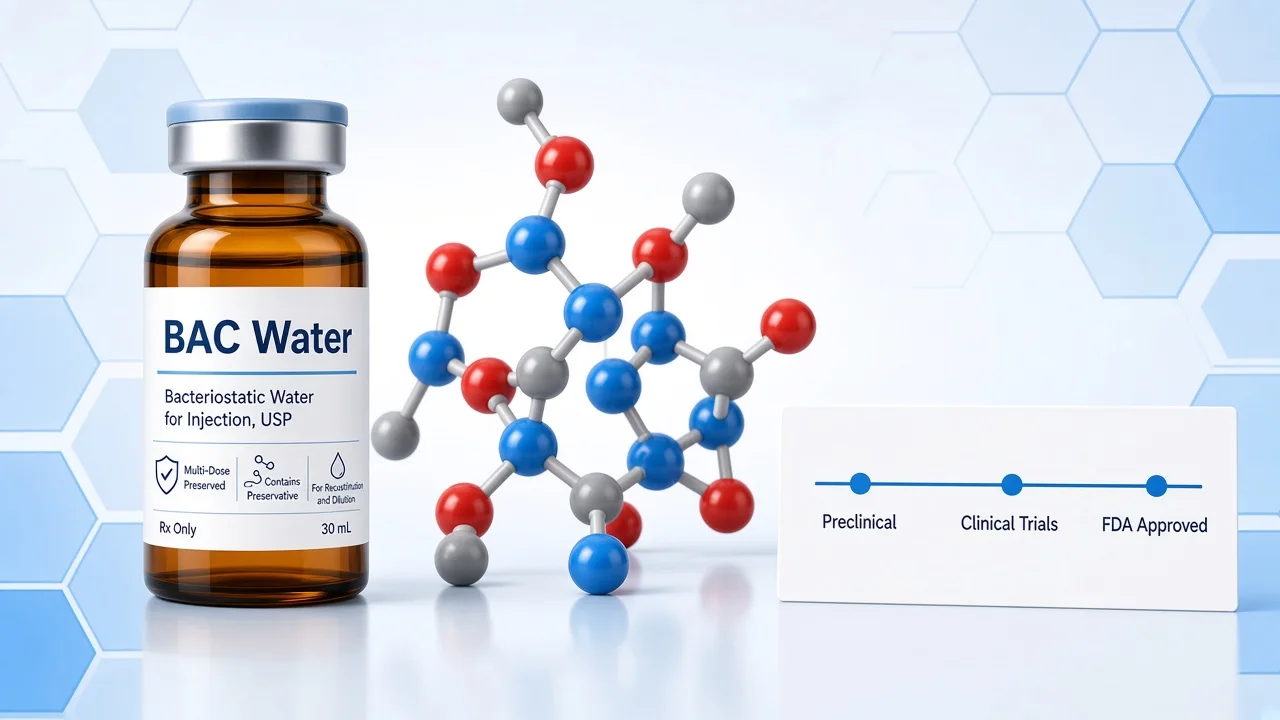
Semaglutide’s U.S. brand story did not freeze at first approval. Labels can gain populations, add outcome indications, revise warnings, or clarify limitations. An article from three years ago can be historically useful and still incomplete for today’s label.
Educational habit: when a claim hinges on “approved for,” open the current prescribing information rather than a screenshot from a feed. Drugs@FDA and DailyMed are designed for that check.
What to compare when two posts disagree
Ask which brand is named, which form is named, which indication sentence is quoted, and which revision date the quote came from. If one post uses diabetes language and another uses weight-management or MASH language without naming the brand, the disagreement may be a brand-column error rather than a science mystery.
How to read a semaglutide label for literacy
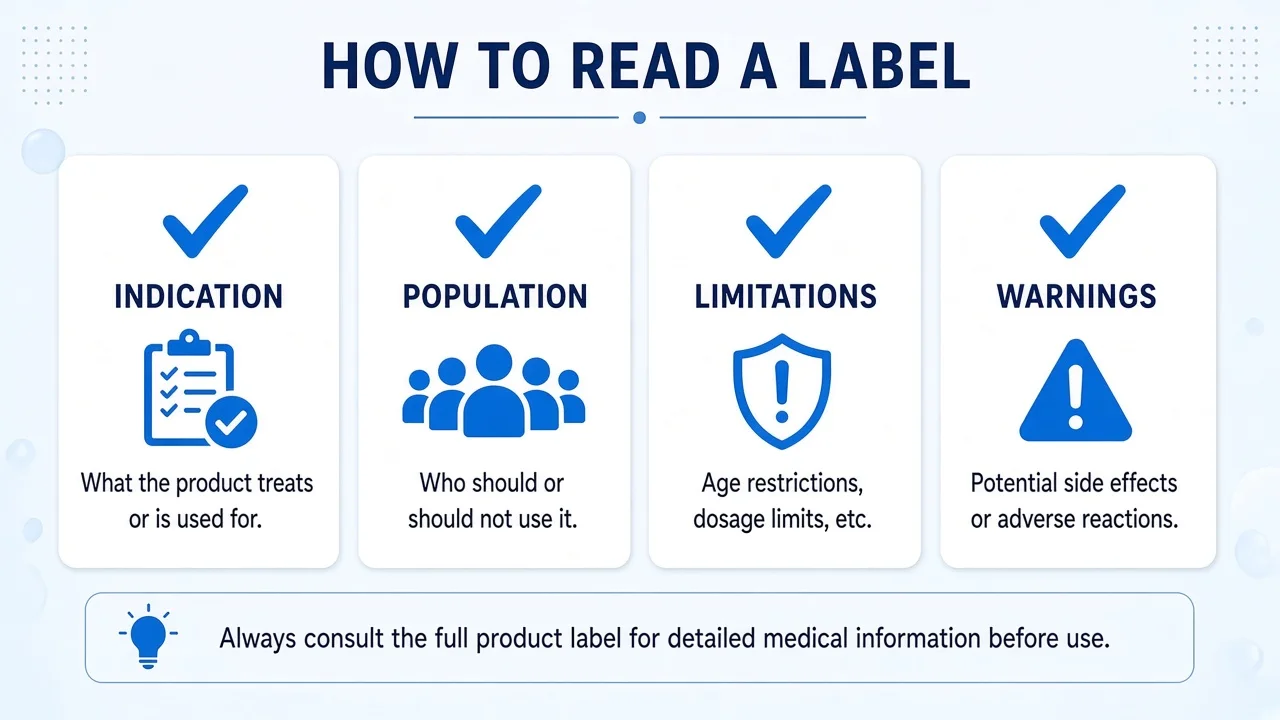
You do not need a pharmacology degree to read a label for orientation. You do need a method that resists skimming only the brand name.
- Indication: what use is stated, in what population.
- Limitations of use: what the label explicitly does not cover or warns against assuming.
- Contraindications and boxed warning: hard boundaries and high-priority safety language.
- Warnings and precautions: broader risk themes that still belong in careful reading.
- Clinical studies section: evidence context for labeled claims, not a personal forecast.
Boxed warning belongs in the literacy frame
Semaglutide product labels include a boxed warning about thyroid C-cell tumors observed in rodents, with related contraindication language involving personal or family history of medullary thyroid carcinoma or Multiple Endocrine Neoplasia syndrome type 2 (MEN2). Those facts are part of responsible reading, not scare content for clicks.
Approval does not erase that warning language. It places the medicine inside a reviewed benefit-risk frame for labeled uses.
What approval means, and what it does not
FDA approval of a finished drug means the agency has reviewed evidence and labeling for a stated use under the product’s conditions of use. It is a powerful status fact. It is not a blank check for every claim that borrows the molecule name.
- Approval is brand-and-label specific, not nickname universal.
- Approval is not the same as “no risks.”
- Approval is not the same as “works the same for every person.”
- Approval is not transferable to compounded, counterfeit, or research-use consumer products.
- Approval language can change when labels are revised.
Accelerated approval needs extra reading care
When a label uses accelerated-approval language, careful readers note that continued approval may depend on confirmatory evidence. That is a regulatory literacy detail, not a reason to invent home protocols or to ignore the indication entirely.
Marketplace boundaries: compounded, counterfeit, and research-use labels
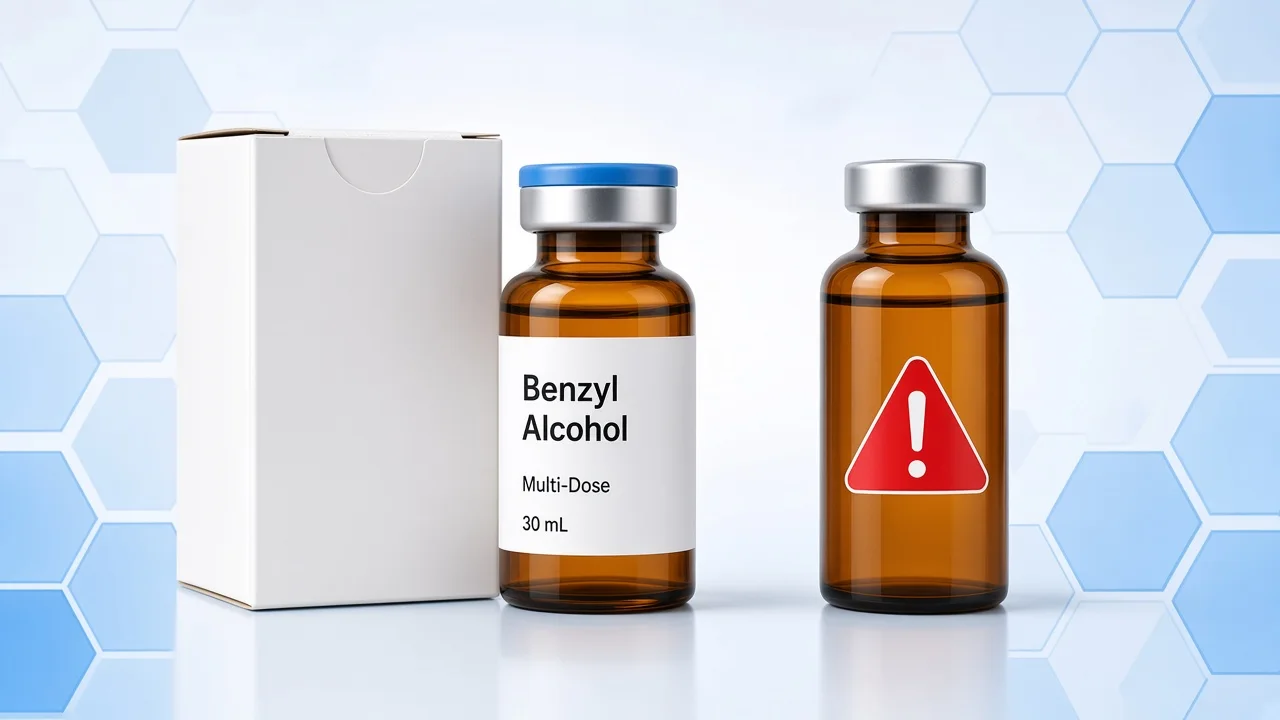
FDA has published consumer-facing concerns about unapproved GLP-1 drugs used for weight loss, including compounded products, fraudulent labeling, counterfeit Ozempic, illegal online sales, and products falsely labeled for research use or “not for human consumption” while marketed to consumers.
Those warnings matter because marketplace language often borrows the prestige of approved brand names. Educational readers should treat “same as Ozempic” sales claims as a red flag, not as status proof.
Compounding literacy without turning this into a shopping guide
Compounded drugs are not FDA-approved finished drugs. FDA notes they may be appropriate only when an approved drug cannot meet a patient’s medical need, and the agency has described quality, dosing-error, salt-form, and shipping concerns around compounded GLP-1 products.
This site does not help readers source products. For the educational contrast, keep compounded GLP-1 vs FDA approved and the broader compounded vs approved peptide medicines pages nearby.
Salt-form and lookalike naming traps
FDA has warned that some products sold by compounders may use salt forms such as semaglutide sodium or semaglutide acetate, which are different active ingredients from the approved drug’s active ingredient. Name similarity is not chemical identity.
How to read semaglutide headlines without getting drafted
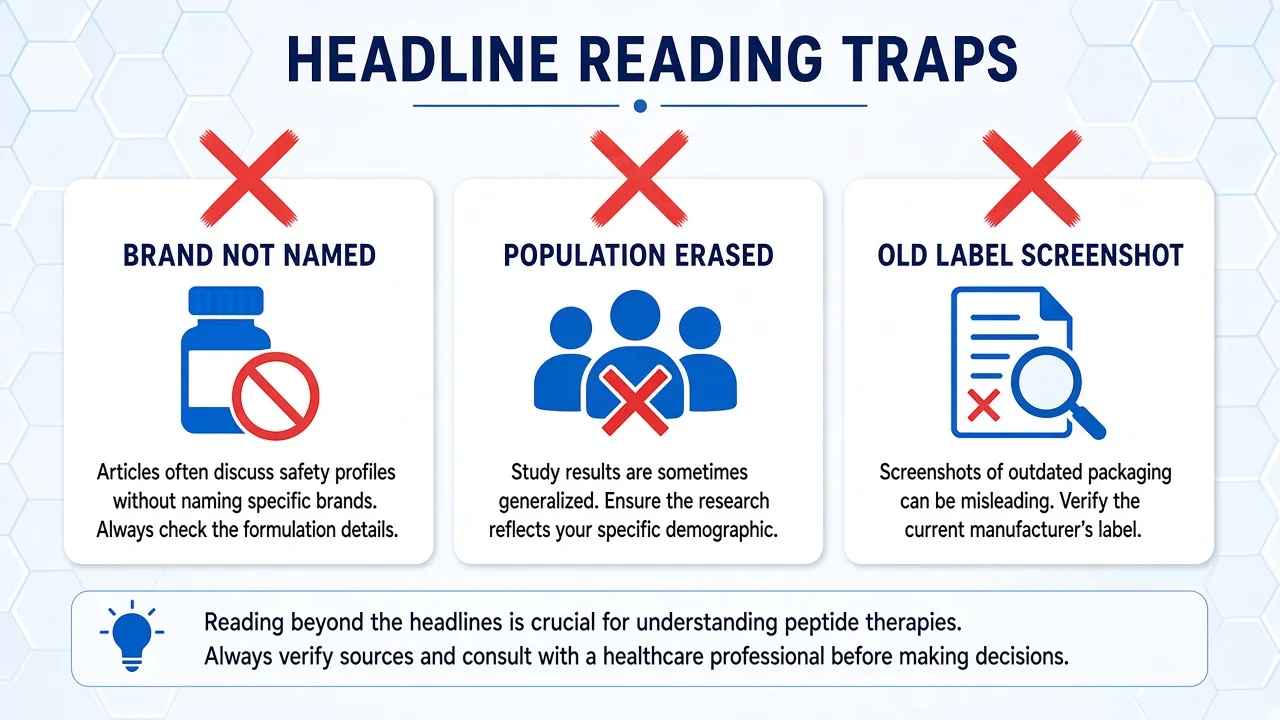
Headlines optimize for surprise. Labels optimize for precise populations and limitations. When a chart shows a large average change, ask which brand or trial population produced it, whether the endpoint matches the claim, and whether the post is selling a conclusion the paper never stated.
For obesity-drug media habits, continue with how to read obesity drug trial headlines. For fair cross-molecule comparison habits, use semaglutide vs tirzepatide and how to compare peptide studies.
Common traps specific to semaglutide talk
Trap one: treating every weight-loss percentage as if it belongs to every brand. Trap two: importing dual-agonist tirzepatide talk into a semaglutide-only claim. Trap three: using an old label screenshot after a revision. Trap four: equating research-use marketplace products with approved finished drugs.
A short verification checklist before you share a claim
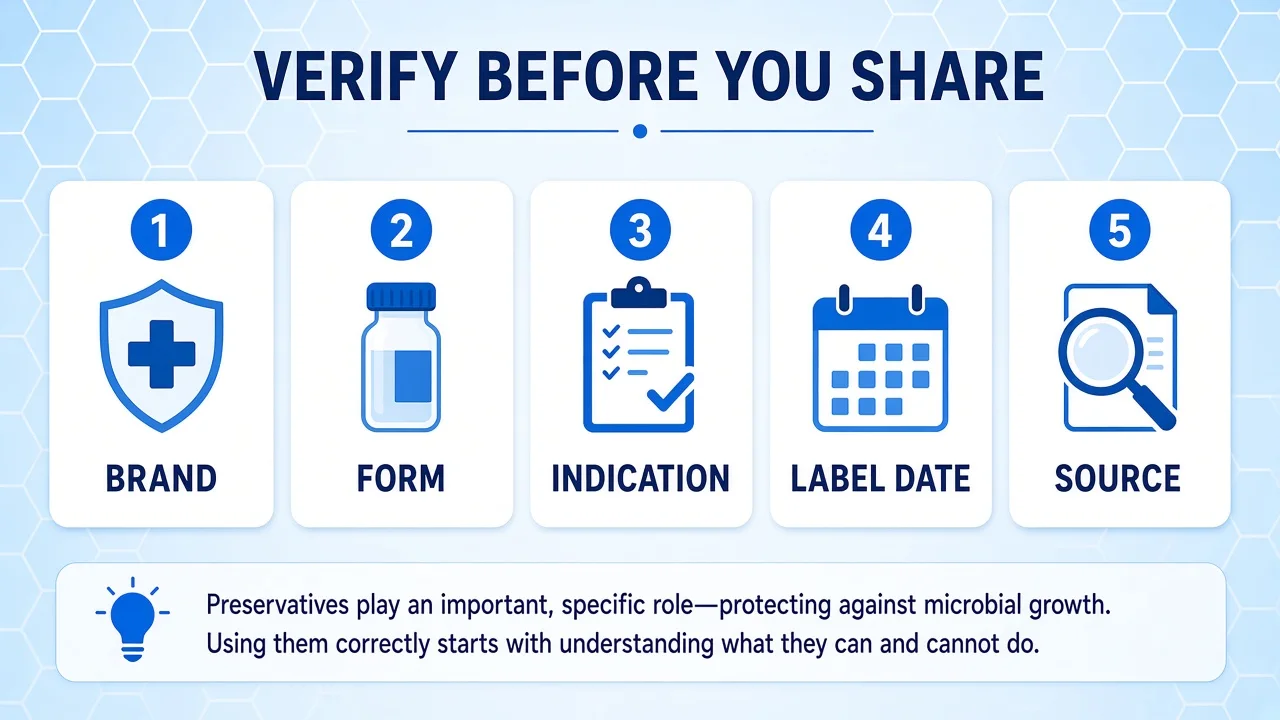
Use this checklist whenever a post sounds certain and short.
- Brand named: Ozempic, Wegovy, Rybelsus, or only the molecule nickname?
- Form named: injectable finished drug, oral finished drug, or unspecified?
- Indication named: glycemic, weight management, cardiovascular, kidney, MASH, or vague “works” language?
- Source typed: current label, peer-reviewed paper, registry record, press release, or seller page?
- Status typed: FDA-approved finished drug, compounded product, investigational cousin, or unclear?
If any box is blank, pause
A blank box is not a reason to invent certainty. It is a reason to open the label or leave the claim unverified. Literacy includes refusing to complete someone else’s marketing sentence for them.
What this page will not do
It will not publish dosing schedules, titration tips, switching recipes, or DIY protocols. It will not rank clinics, pharmacies, or sellers. It will not translate trial averages into personal expectations. It will not help readers obtain unapproved products.
Those refusals are editorial boundaries, not missing content. The educational job is status clarity.
Links back to the Research & Science hub
Place this page inside the peptide research and science map, beside GLP-1 peptide medicines explained and tirzepatide research status.
For brand twins, continue with Ozempic vs Wegovy. For form literacy, see oral vs injectable semaglutide. For marketplace lookalikes, use compounded GLP-1 vs FDA approved under peptide safety education.