

Viral Peptides
Comparisons & News

How to Read Obesity Drug Trial Headlines

Marcus Thorne

Scientific Analyst · M.S. in Biochemistry

Reviewed by Dr. Sarah JenkinsPublished: Updated: 10 Min Read
How to Read Obesity Drug Trial Headlines
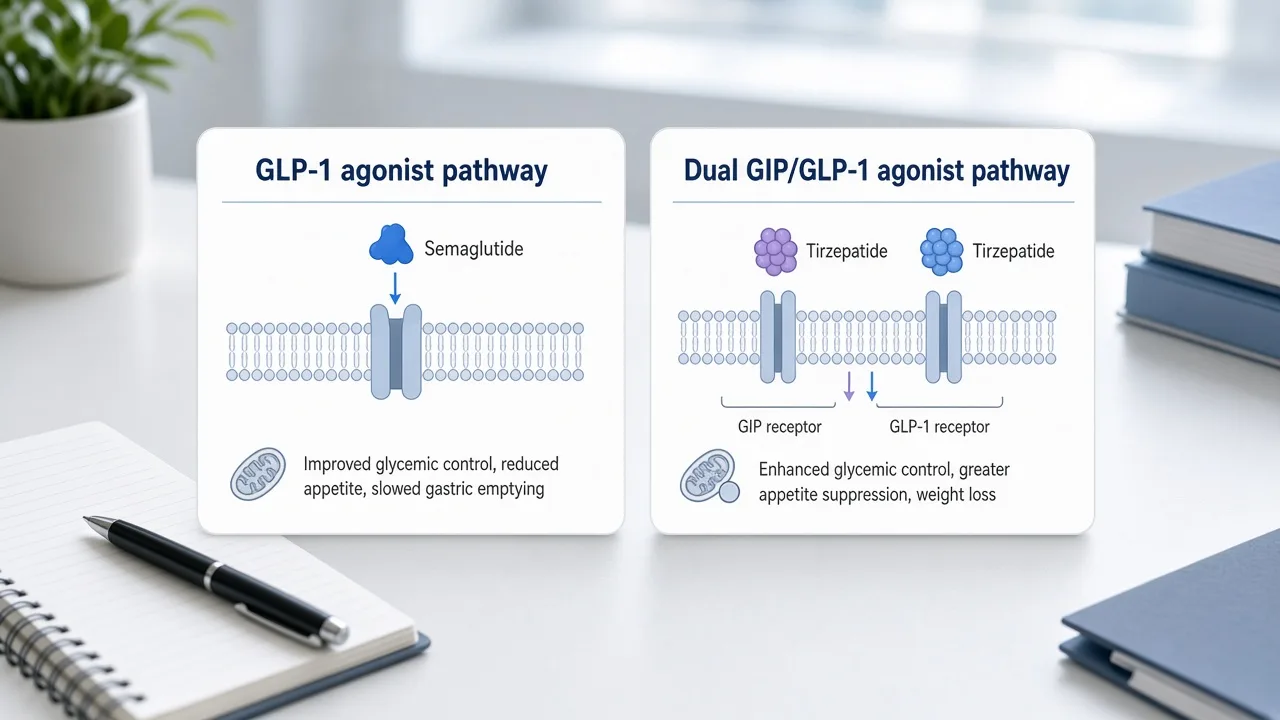
Educational illustration related to peptide research. (Credit: Viral Peptides)

Educational disclaimer

This article is for educational and research literacy only. Compounds discussed may be experimental and not approved for human use. It is not medical advice. See our disclaimer.

Key takeaways

  • Ask which endpoint, which population, and which analysis set produced a headline percentage.
  • Topline means selected early results, not the full evidence package.
  • Phase 3 success is not the same sentence as FDA approval.
  • Compare primary publications and labels before amplifying viral charts.

Obesity and metabolic drug headlines move faster than full papers. This guide shows how to read percentage weight-change claims, Phase labels, and approval language without turning a press release into a personal plan. It pairs with our peptide news versus peer-review article and remains educational only.

A five-question headline checklist

Checklist of endpoint population phase status questions

Use these questions before amplifying a weight-loss trial chart. Missing answers usually mean the headline is incomplete.

  • What molecule and what brand or code name?
  • What phase and what primary endpoint?
  • Who was enrolled?
  • Is this topline, peer-reviewed, or label language?
  • Is the product approved, investigational, or neither?

Common errors in obesity-trial amplification

Crossed-out icons for dosing tips and guaranteed outcomes

Error one: treating placebo-adjusted and non-adjusted numbers as interchangeable. Error two: ignoring discontinuation and adverse-event context. Error three: importing approved-drug availability onto investigational molecules.

For an investigational practice case, open retatrutide investigational status. For broader news-versus-paper habits, keep peptide news vs peer review nearby.

Frequently asked questions

Why do two headlines disagree about the same drug?

They may cite different doses, populations, time points, or estimands. They may also confuse sponsor topline numbers with peer-reviewed tables.

What should I check after reading a viral trial chart?

Find the study name, registry ID if available, whether the drug is approved or investigational, and whether a peer-reviewed paper exists yet.

Sources & citations

  1. ClinicalTrials.gov. How to find and read study records.
  2. U.S. FDA. Drug Approvals and Databases (Drugs@FDA).

Keep learning

More in Comparisons & News

Browse the Comparisons & News guide, or jump to a related tool below.

Prefer tools? Try the Peptide Calculator for educational reconstitution math, or browse all articles.