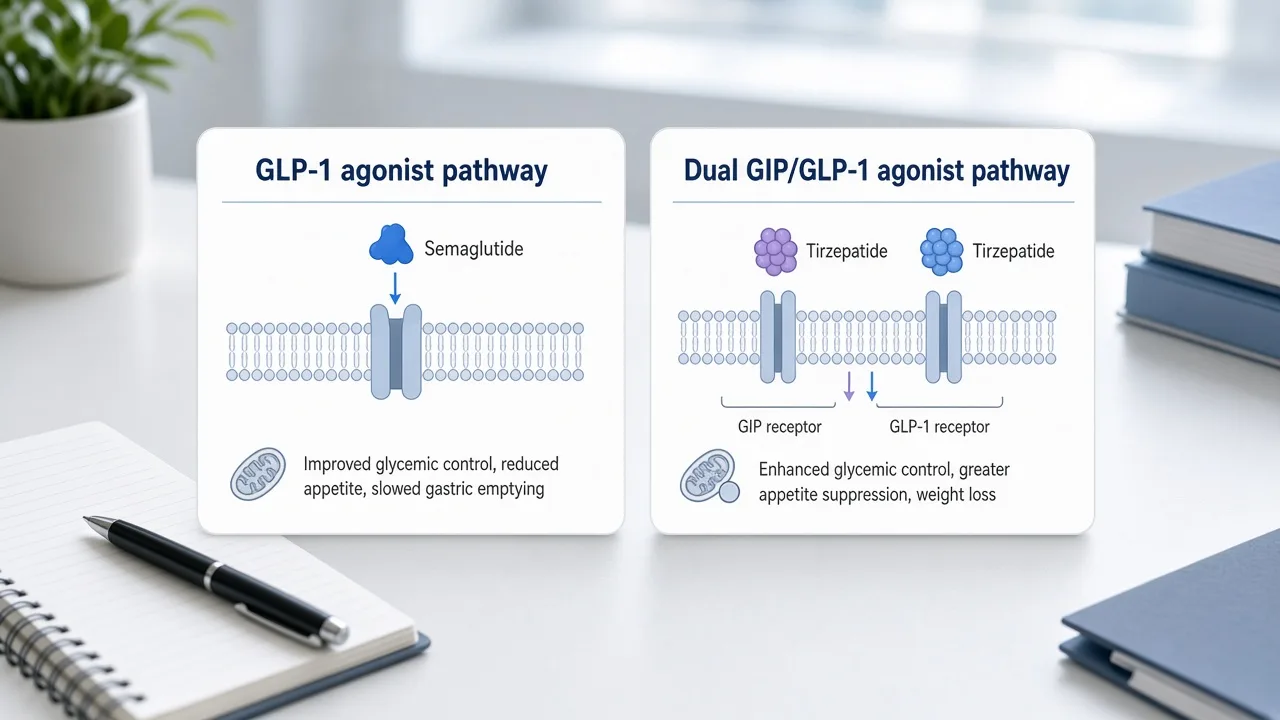


Liraglutide and semaglutide are both GLP-1 receptor agonists that appear in FDA-approved finished drugs under brand-specific labels. Public comparisons often collapse decades of development into one viral winner chart, then borrow percentages as if they were personal promises. This article teaches a fair comparison method: class membership, molecule identity, brand indication, labeled interval language, and study-design caution. It is educational only. It is not a recommendation to choose either medicine, and it does not publish dosing or switching protocols.
Why liraglutide versus semaglutide gets flattened online

Searchers type the molecule names because social posts treat the whole GLP-1 class as one interchangeable product family. That flattening erases molecule identity, brand indication, labeled interval language, and study design.
A fair comparison starts with what is shared, then refuses to stop there. Shared receptor-class membership explains why the names appear together. It does not make Victoza, Saxenda, Ozempic, and Wegovy one object.
Category context lives in GLP-1 peptide medicines explained. Semaglutide status detail continues in semaglutide research status.
Comparison method used here
This page compares literacy columns, not lifestyle winners. It will not crown a personal favorite, invent switching recipes, or convert trial averages into expectations for an unnamed reader.
Same receptor class, different molecules

Both medicines are described as GLP-1 receptor agonists. That shared class membership is useful for literacy. It does not make labels, brands, trial programs, or public nicknames interchangeable.
They are different molecules. “Related class” is not the same claim as “same active ingredient.” The Ozempic-versus-Wegovy pattern is a same-molecule brand twin. Liraglutide-versus-semaglutide is a cross-molecule class comparison.
Keep dual-agonist talk out of this frame
Tirzepatide is labeled as a dual GIP and GLP-1 receptor agonist. Importing dual-agonist headlines into a liraglutide-versus-semaglutide chart creates a category error. For that separate comparison, use semaglutide vs tirzepatide.
Liraglutide brand column: Victoza and Saxenda
Liraglutide products illustrate the same-molecule, different-indication pattern inside their own family. Victoza labeling centers type 2 diabetes glycemic-control contexts and includes cardiovascular risk-reduction language in adults with type 2 diabetes and established cardiovascular disease. Pediatric diabetes labeling themes also appear in current brand landscapes and should be verified on the current label.
Saxenda labeling centers chronic weight-management contexts for adults and certain adolescents under labeled criteria, with diet-and-activity framing. Saxenda is not a silent synonym for Victoza, even though both contain liraglutide.
Reading habit for liraglutide claims
If a post says only “liraglutide,” ask which brand and which indication. Diabetes-framed and weight-management-framed claims are different literacy columns.
Semaglutide brand column: more than one public landscape
Semaglutide products also split by brand indication. Ozempic labeling centers type 2 diabetes glycemic control plus diabetes-linked cardiovascular and kidney outcome language. Wegovy labeling centers weight-management language, cardiovascular risk reduction in adults with obesity or overweight plus established cardiovascular disease, and accelerated-approval MASH language in adults.
Oral presentations add another form column under brand-specific labels. Brand twins are covered in Ozempic vs Wegovy. Form literacy continues in oral vs injectable semaglutide.
Do not collapse every semaglutide claim into one brand
A weight-management percentage attached to the word “semaglutide” is incomplete until brand and population are named. The same rule applies when someone pastes an Ozempic-named claim into a Saxenda-versus-Wegovy argument.
A comparison table of literacy columns, not winners
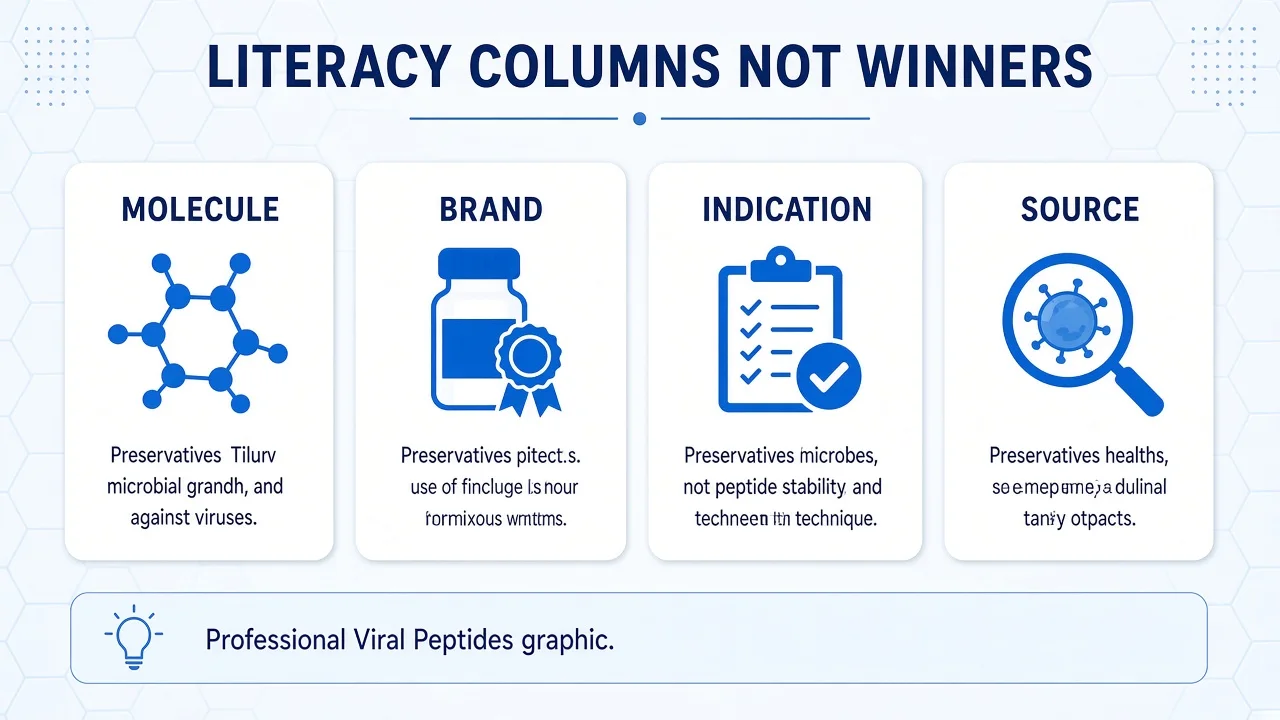
Use columns, not vibes. Molecule, brand, indication, population, form, and source type should stay visible whenever a post declares a winner.
- Molecule: liraglutide or semaglutide.
- Brand: Victoza, Saxenda, Ozempic, Wegovy, Rybelsus, or unspecified nickname.
- Indication family: glycemic control, weight management, cardiovascular, kidney, MASH, or vague “better.”
- Population: adults, adolescents, diabetes, obesity, overweight plus comorbidity, or missing.
- Source: current label, head-to-head trial, cross-trial chart, press release, or seller page.
Labeled interval language without turning it into a protocol
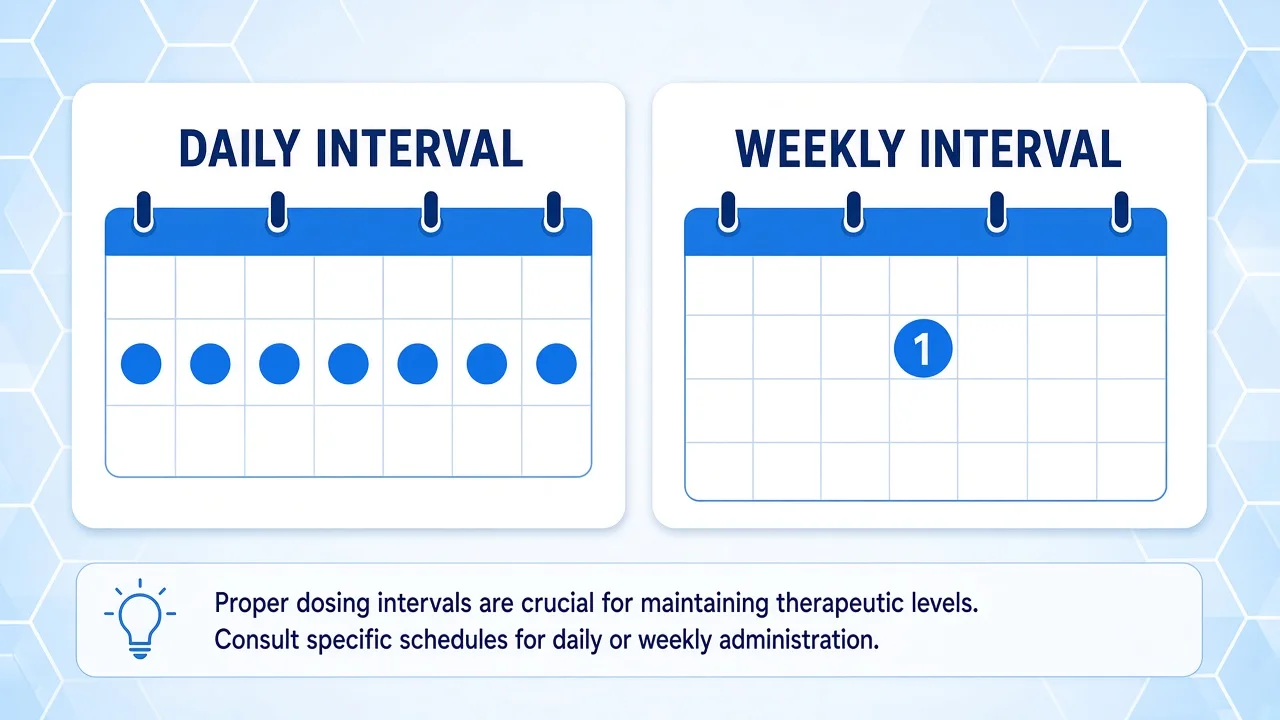
Public comparisons often reduce the whole story to “daily versus weekly.” Interval language does appear in product labels and is a real literacy difference across many liraglutide and semaglutide presentations.
Interval literacy is still not a personal protocol. This page will not reprint dosing schedules, titration tips, or switching recipes. Administration details belong in official labels and clinician care.
Convenience slogans are not evidence summaries
A slogan that says one interval is automatically better for everyone confuses logistics talk with benefit-risk evidence. Convenience can matter in clinical conversations. It does not replace labeled indication, population criteria, or study endpoints.
Cross-trial charts and head-to-head caution
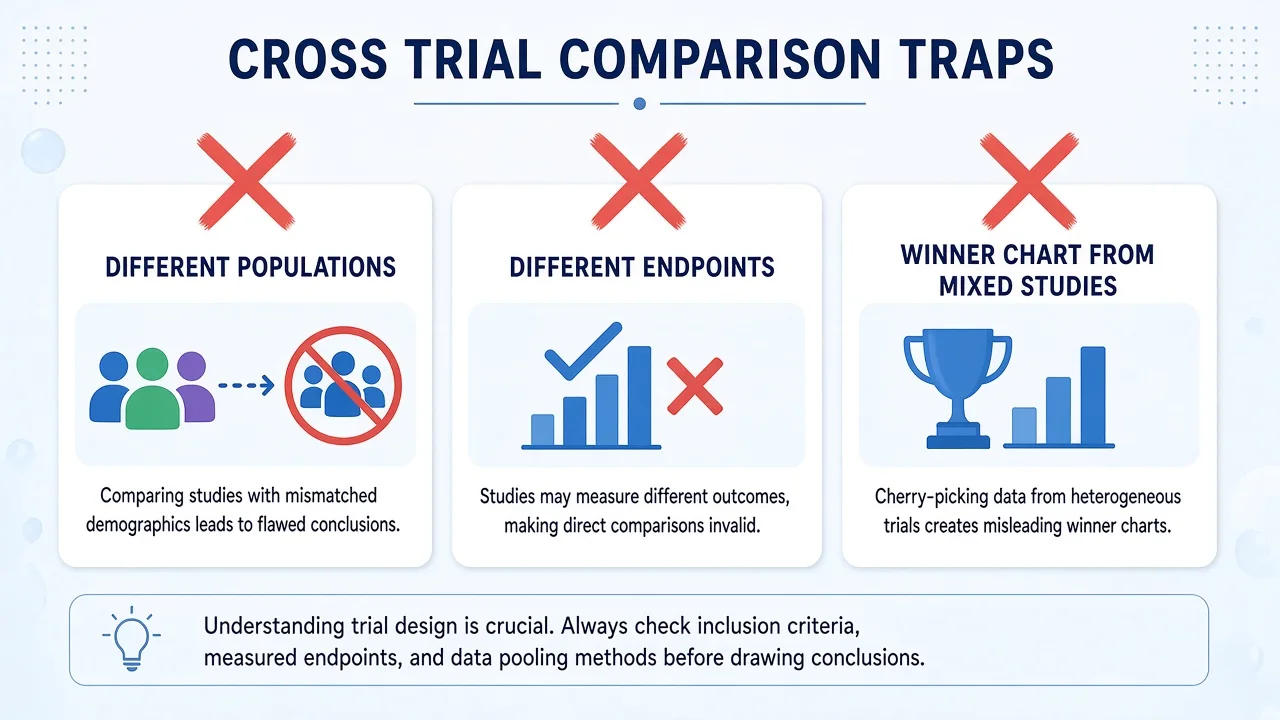
Viral graphics often place one liraglutide average beside one semaglutide average from different studies, then declare a winner. That move can hide differences in populations, background care, endpoints, follow-up, and handling of missing data.
Head-to-head trials can improve the comparison frame when they exist, but they still need methods reading. A head-to-head result is evidence about the studied populations and protocols, not a universal ranking for every reader.
Habits that keep charts honest
Ask which brands or labeled dose contexts were studied, which endpoint was primary, who was enrolled, and whether the chart is summarizing one trial or stitching several. Fair-comparison habits live in how to compare peptide studies. Obesity-drug headline habits continue in how to read obesity drug trial headlines.
Shared class warnings still need product labels
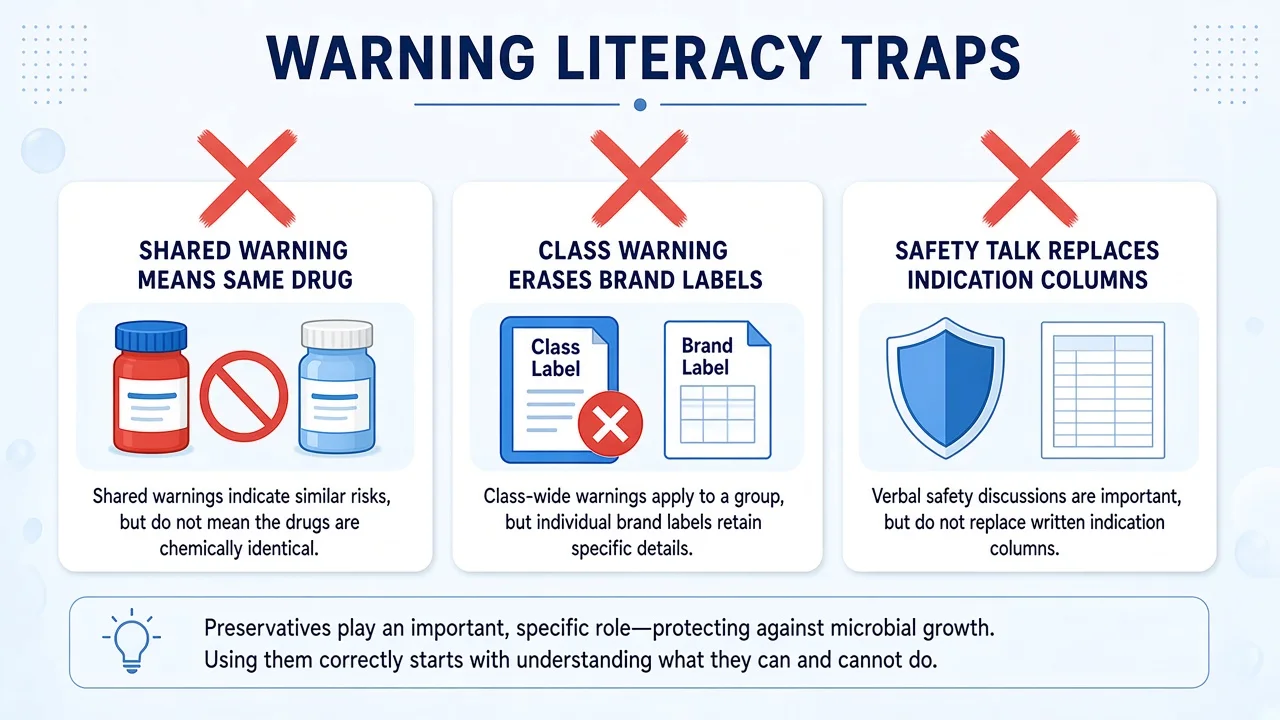
GLP-1 receptor agonist labels commonly include serious warning themes such as thyroid C-cell tumor findings in rodents and related contraindication language around medullary thyroid carcinoma or MEN2. Shared class warning themes are part of responsible reading.
Shared warning language does not collapse liraglutide and semaglutide into one medicine, and it does not erase brand-specific indication columns.
Media traps this comparison should refuse
Trap one: “same class, so same drug.” Trap two: using Victoza language in a Saxenda-versus-Wegovy argument without naming brands. Trap three: importing tirzepatide dual-agonist talk. Trap four: converting study averages into personal promises. Trap five: treating marketplace lookalikes as either molecule’s approved brand.
- Class membership is not molecule identity.
- Molecule identity is not brand indication.
- Brand indication is not a personal ranking.
- Trial averages are not individual forecasts.
Verification checklist before sharing a winner claim
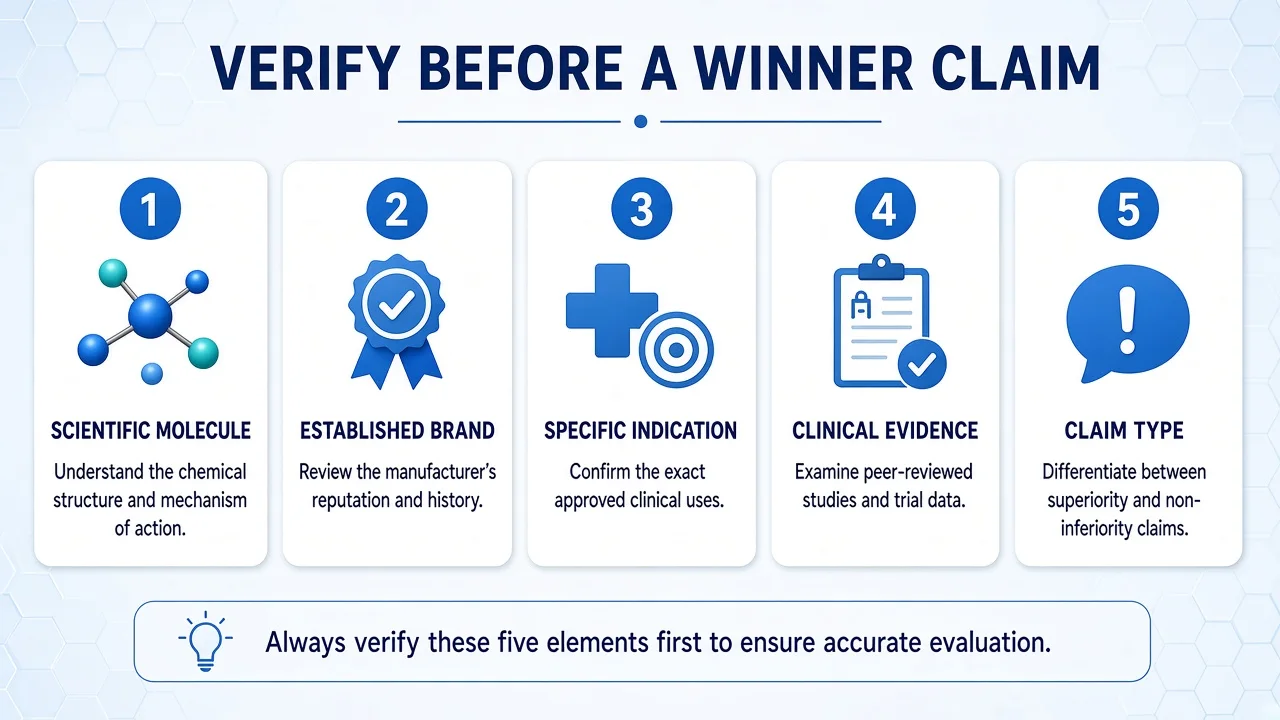
Use this checklist when a post declares one molecule the obvious winner.
- Molecules named: liraglutide, semaglutide, or only “GLP-1”?
- Brands named: Victoza, Saxenda, Ozempic, Wegovy, Rybelsus, or unspecified?
- Indication named: glycemic, weight management, cardiovascular, or vague “better”?
- Evidence typed: current label, head-to-head trial, cross-trial collage, or seller page?
- Claim typed: literacy comparison or personal recommendation?
Pause rule
If the post answers “which should I take?” for a stranger on the internet, it has left educational comparison and entered advice theater. This site stays on the literacy side of that line.
What this page will not do
It will not publish dosing schedules, titration tips, or switching recipes. It will not rank clinics or sellers. It will not declare a lifestyle winner from a single chart. It will not help readers obtain unapproved products.
Those refusals keep the page inside research literacy.
Links back to the Comparisons & News hub
This page belongs in peptide comparisons and research news. Status detail for semaglutide continues in semaglutide research status under peptide research and science.
Same-molecule brand twins continue in Ozempic vs Wegovy. Cross-class dual-agonist comparison continues in semaglutide vs tirzepatide.